Atlas V Set to Launch Kuiper Class Satellites from Cape Canaveral
United Launch Alliance will launch an Atlas V rocket from Cape Canaveral during a narrow window late on December 14 into early December 15, carrying a batch of Amazon Kuiper class low Earth orbit satellites. The mission highlights the accelerating race to build global broadband constellations and the regulatory and traffic management challenges that come with them.
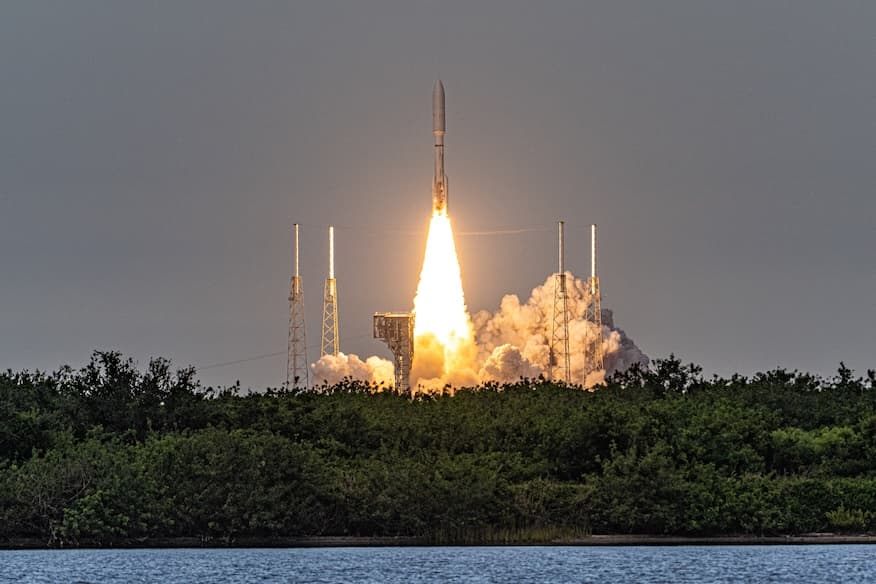
United Launch Alliance is scheduled to send an Atlas V rocket into orbit from Cape Canaveral during a tight launch window opening late on December 14 Eastern Time and extending into the early hours of December 15. The mission will carry a set of Amazon Kuiper class satellites destined for low Earth orbit as part of Amazon's broader push to field a commercial broadband constellation.
The Atlas V will fly in a heavy first stage configuration, a setup intended to provide the extra lift needed to place multiple payloads into their planned orbits. Mission planners have constrained liftoff to a narrow interval to meet precise orbital insertion requirements for the satellite group. Range officials and the launch provider will evaluate final go no go conditions based on weather, tracking and operational readiness before the countdown proceeds.
The launch is the latest in a sequence of commercial missions that are expanding the number of satellites in low Earth orbit to provide internet connectivity to underserved regions and to compete with established systems. Amazon's Kuiper program aims to deliver consumer and enterprise broadband services from space and has pursued multiple commercial launch contracts and regulatory approvals to deploy its spacecraft. For providers and customers, the promise is lower latency and broader coverage compared with terrestrial networks in remote areas.
At the same time, the growth of broadband constellations has intensified concerns among regulators, satellite operators and researchers about orbital congestion and long term sustainability. More satellites increase the density of traffic in popular orbital lanes and complicate efforts to predict and avoid close approaches. Collisions can generate debris that threatens other spacecraft and raises the costs and risks for all operators using those orbits.
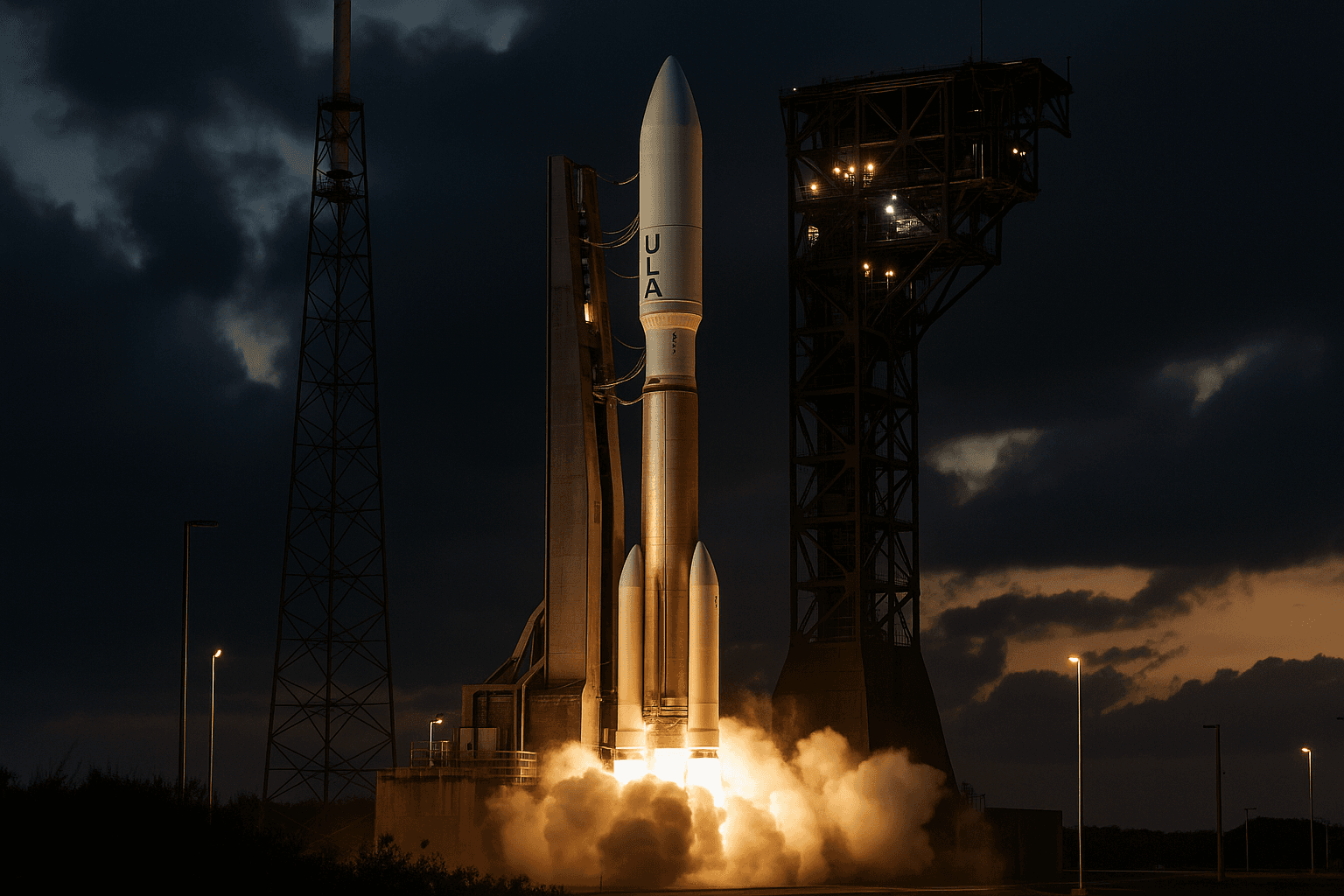
The mission also underscores the evolving commercial launch market. United Launch Alliance has positioned its Atlas V vehicle as a reliable option for a range of government and commercial customers. The Atlas family has a long track record of missions from Cape Canaveral and Vandenberg, and providers now balance cadence with careful risk management as the number of constellation deployments grows.
Federal regulators and international organizations face mounting pressure to improve coordination on spectrum management and space traffic oversight. Operators must file orbital plans and share tracking data with range authorities and other industry partners, but experts say more formalized global rules would help reduce systemic risk as satellite numbers continue to rise.
If the launch proceeds as scheduled, the Atlas V will deploy its payload into its targeted orbit and mission teams will begin post launch checkouts for the newly released spacecraft. ULA and the satellite operator are expected to release additional telemetry and status updates following separation and initial activation. For communities on the receiving end of next generation satellite broadband, the mission represents another step toward wider access. For the industry and regulators, it is another moment to reconcile rapid technological deployment with the long term stewardship of Earth orbit.
Sources:
Know something we missed? Have a correction or additional information?
Submit a Tip