U.S. Officials Supported American Technology Fueling Chinese Surveillance Systems
An investigation published Oct. 29, 2025 found that over roughly two decades, U.S. government actions repeatedly enabled American firms to export technologies later woven into Chinese policing and surveillance systems. The findings raise fresh questions about export controls, human rights, and the political will in Washington to curb transfers of powerful surveillance tools.
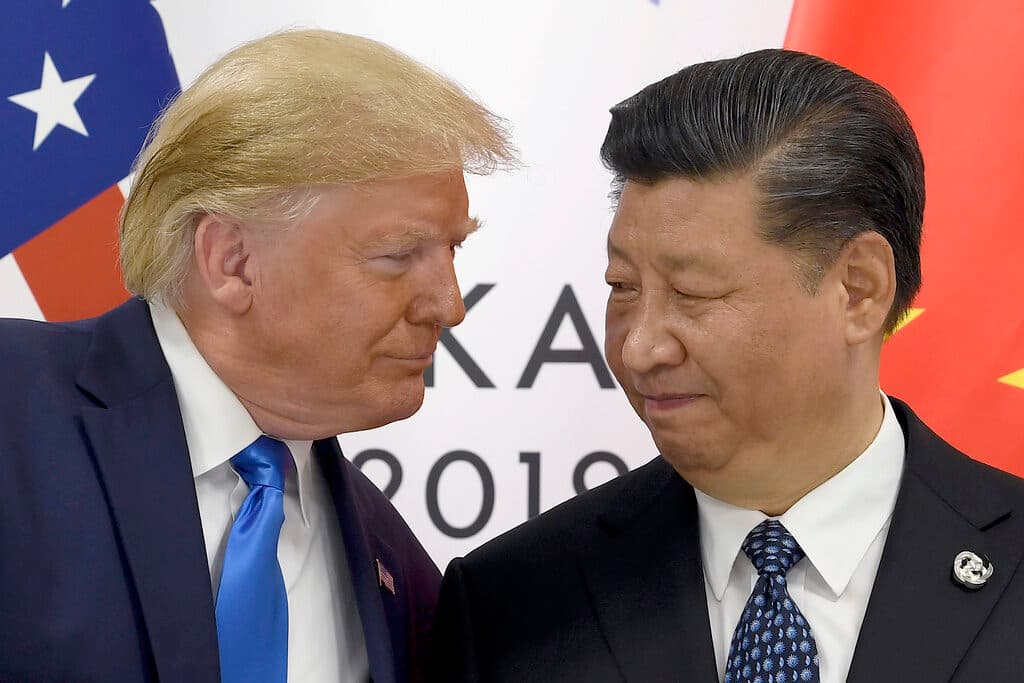
An investigation published Oct. 29, 2025 concluded that for more than two decades and through five Republican and Democratic administrations, U.S. officials repeatedly allowed, and in some cases actively assisted, American companies to export technologies that were later integrated into Chinese policing and surveillance networks. The reporting said that the finding appeared hours before a high level meeting between President Donald Trump and Chinese leader Xi Jinping in South Korea, adding diplomatic salience to already fraught U.S. policy debates.
The technologies cited include advanced facial recognition systems and sophisticated data analysis capabilities. Recipients in China were identified as public security entities, including police and government agencies, as well as private surveillance companies. Investigators described a pattern in which commercial interests and competition for technological dominance frequently outweighed rhetoric on national security and human rights when export decisions were made.
Officials overseeing export controls allowed these transfers in multiple ways, the investigation found. In some instances government staff permitted shipments under existing rules. In other cases, the investigators said, officials quietly encouraged exporters and provided direct assistance to companies seeking approvals. The report does not, in the material made available for this account, name specific U.S. companies or individual officials involved, nor does it detail precise transactions or cite criminal charges tied to the transfers.
The revelations have prompted renewed attention on Capitol Hill. Lawmakers have tried multiple times to tighten controls, and since September of the prior year members of Congress launched four separate efforts to close what they described as a glaring loophole that allowed sensitive technologies to reach Chinese surveillance users. Representative Chris Smith of New Jersey has been identified in legislative materials as a sponsor of measures aimed at limiting U.S. technology involvement in foreign policing systems. Those bills reflect growing bipartisan unease over the ease with which dual use tools can be repurposed for repression.
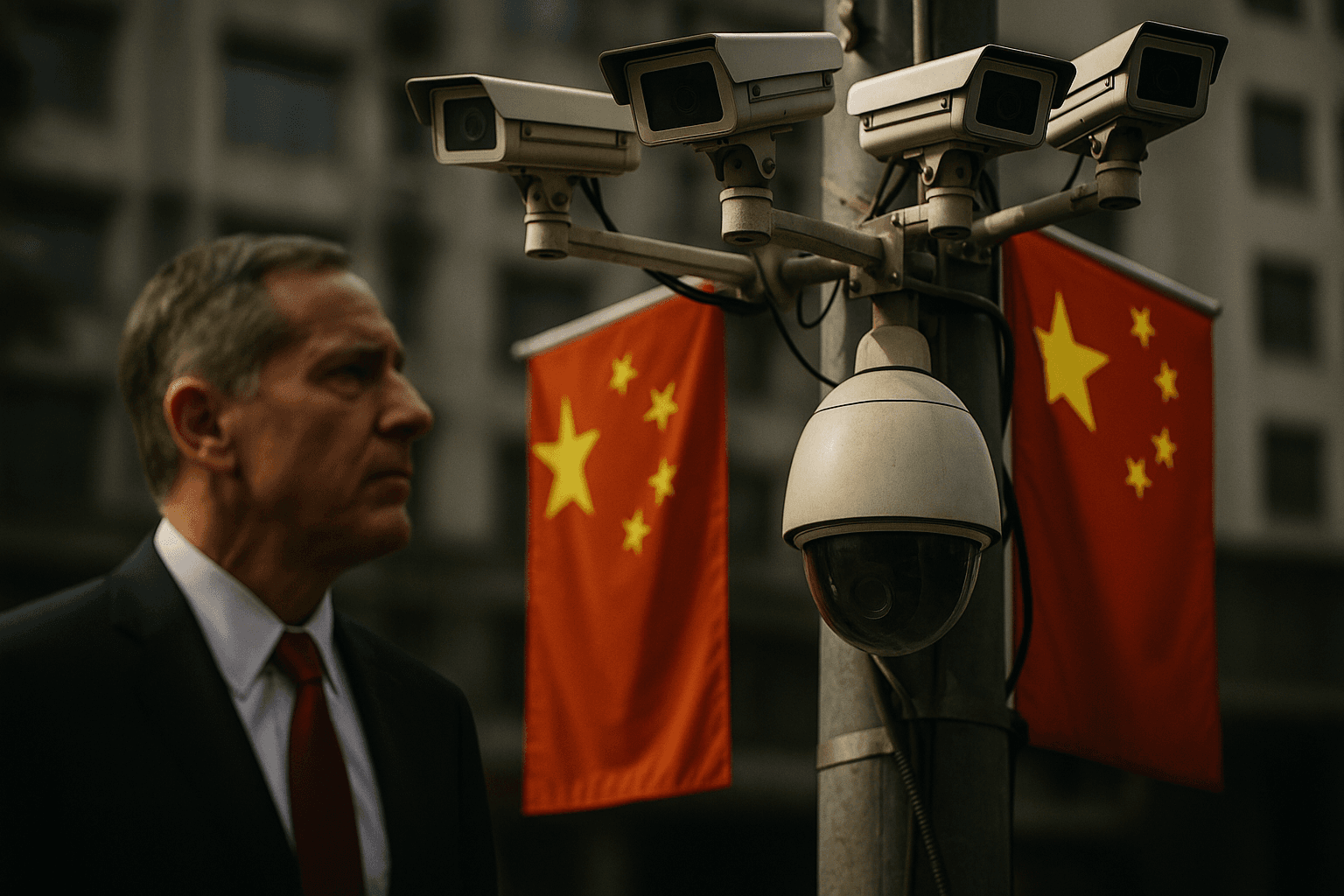
Policy experts say the investigation highlights gaps in the current export control framework, where oversight is fragmented across agencies and commercial demand can drive outcomes. Human rights advocates argue the transfers have direct consequences for privacy and civil liberties in China, and they urge the United States to align export policy more closely with human rights objectives. Industry representatives typically counter that export controls must balance national security with maintaining American competitiveness in global technology markets.
For reporters and policymakers the investigation sets out clear lines for follow up. Key questions include which specific technologies and vendors were involved, how government agencies processed and cleared the exports, and what precise forms of assistance officials provided to exporters. Congress faces decisions on whether to narrow exemptions, increase transparency in approvals, and expand enforcement capacity.
The broader conversation will test whether Washington can reconcile economic interests with a commitment to human rights and national security oversight. Absent fuller disclosure and legal changes, the pattern described in the investigation suggests that powerful surveillance tools will remain a contested and consequential export challenge for U.S. policymakers.
Know something we missed? Have a correction or additional information?
Submit a Tip