Militant Groups Embrace AI Tools, Raising Serious Security Fears
U.S. national security officials warned that militant and extremist organizations are rapidly adopting widely available artificial intelligence tools to expand and professional operations. The technology is already being used to create convincing imagery and video, automate propaganda and scale recruitment, raising new threats for policymakers, platforms and the public.
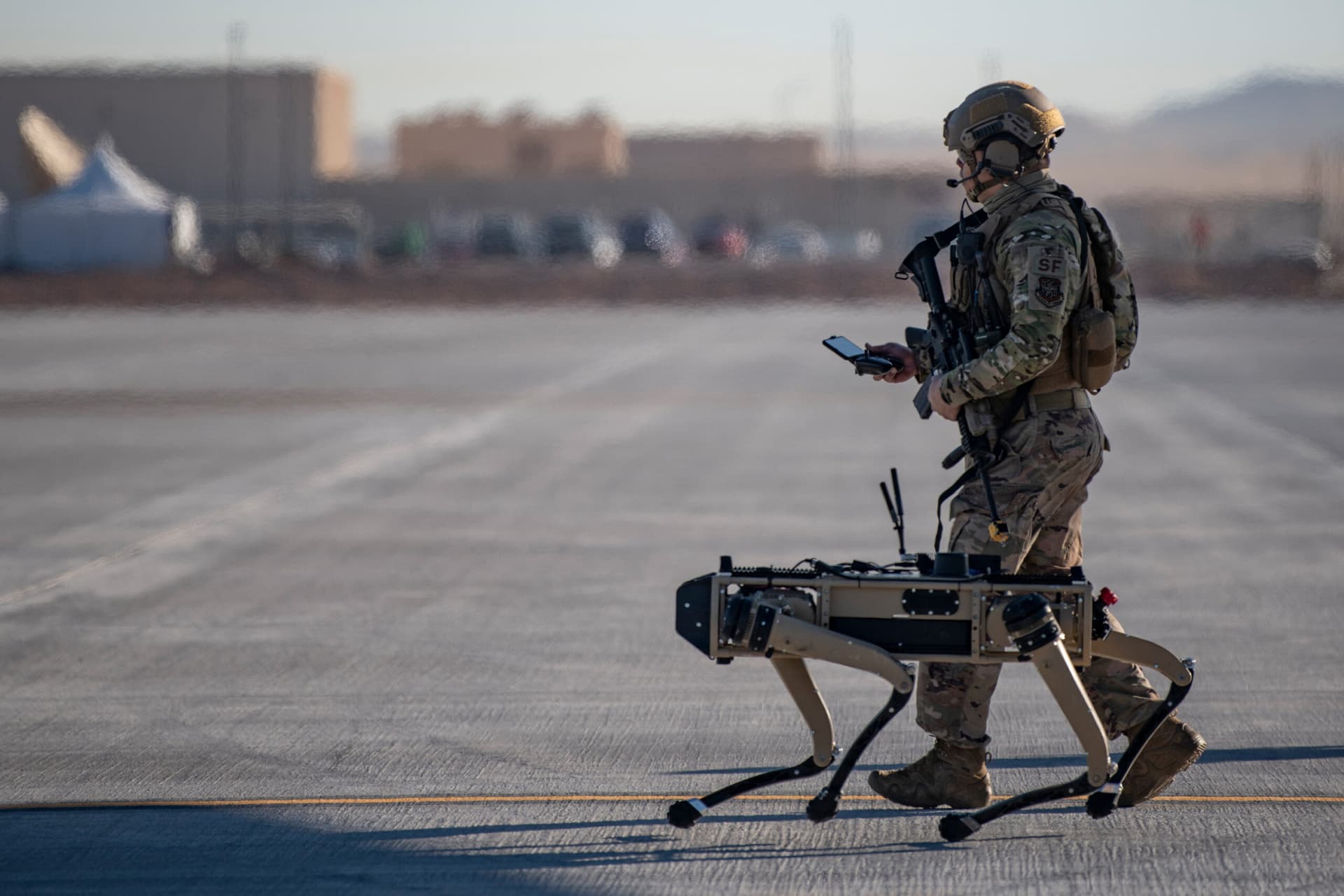
U.S. national security experts and intelligence officials said militant and extremist organizations are increasingly experimenting with widely available artificial intelligence tools to widen their reach and professionalize operations. Analysts who reviewed public material and government assessments described a range of current and emerging uses, from generating realistic images and video to automating propaganda, improving cyberattacks and expanding recruitment pipelines.
Generative AI programs that became broadly accessible in recent years have been repurposed by militant actors to produce convincing visual content and audio. That content was then amplified through social media where algorithmic recommendation systems can accelerate reach and engagement. Officials said the interaction between AI created material and platform amplification magnified risks, making it easier to recruit new adherents, intimidate adversaries and spread disinformation at a scale that was unimaginable just a few years ago.
Security officials pointed to concrete functions that have already appeared in online activity linked to violent groups. Militants used AI to create realistic images and manipulated video known as deepfakes, to automate the production and distribution of propaganda, and to refine technical aspects of cyberattacks. The cumulative effect, analysts said, was not merely cosmetic. Automation reduced the labor needed to sustain high volume information operations, while synthetic media increased the potential to mislead audiences and evade simple verification checks.
Intelligence officials singled out the Islamic State and affiliated networks as an illustrative example of how established groups adapted quickly to new communications technologies. “ISIS got on Twitter early and found ways to use social media to their advantage,” Fowler said, a pattern experts described as likely to repeat with new tools that lower the technical threshold for producing plausibly real content.
Beyond propaganda and recruitment, officials and analysts expressed growing alarm about a more troubling possibility. Updated federal threat assessments earlier this year included explicit warnings that advanced AI could help compensate for gaps in technical expertise, potentially aiding efforts to develop biological or chemical agents. That warning has sharpened debate inside government about how to balance civil liberties and privacy with more aggressive efforts to detect and disrupt AI enabled threats.
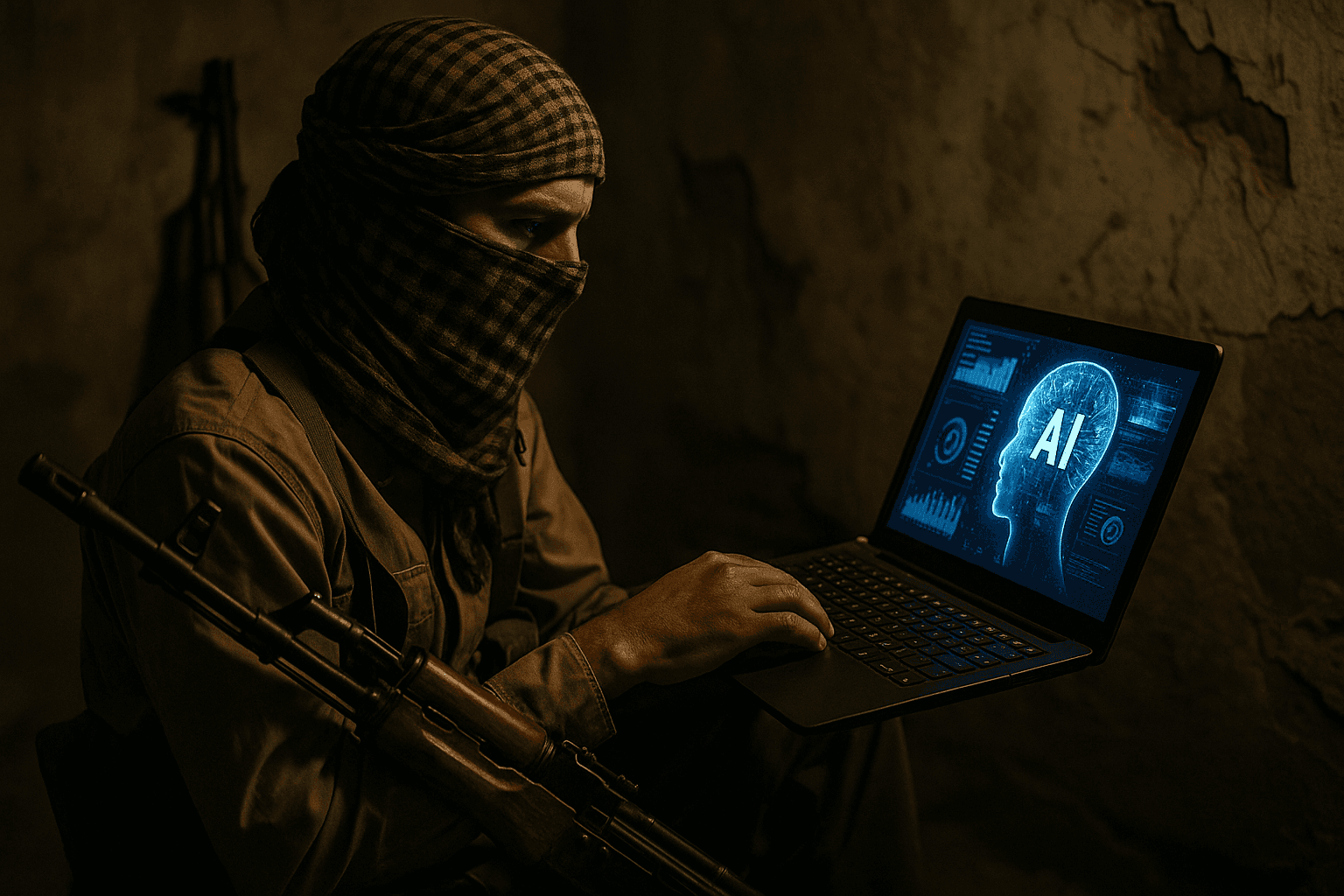
The reporting identified important caveats. While examples of misuse of AI are documented, officials and analysts said the record does not yet provide an exhaustive catalogue of incidents or detailed forensic demonstrations in every case. Attribution remains challenging when adversaries use commercial products and anonymizing services, and platform responses varied across companies and regions.
The convergence of accessible AI and algorithmic amplification posed immediate choices for policymakers, platforms and journalists. Officials called for clearer disclosure requirements for synthetic content, faster information sharing between intelligence agencies and technology companies, and investment in verification tools and public awareness. Journalists were urged to seek primary documentation of incidents and to consult the updated Homeland Threat Assessment for the precise language on biological and chemical risks.
As tools become more powerful and more accessible, security officials said the pace of adaptation among militant groups will likely continue, forcing a reassessment of how democratic societies detect, deter and respond to a new class of information and technological threats.
Sources:
Know something we missed? Have a correction or additional information?
Submit a Tip