Mattel postpones OpenAI collaboration toy beyond 2025 holiday season
Mattel and OpenAI have confirmed there will be no AI powered toy released for the 2025 holiday season, reversing earlier expectations of a late 2025 reveal. The delay reshapes holiday sales forecasts and raises fresh questions about how the companies will address safety, privacy and timing for a broader rollout.

Mattel and OpenAI have confirmed that their first jointly developed consumer product will not arrive in time for the 2025 holiday season, marking a public delay for a high profile partnership that had been expected to yield an AI powered toy by the end of the year. Company representatives provided the updated timeline this week, superseding earlier corporate summaries and industry coverage that had signaled a late 2025 announcement.
The collaboration between the U.S. toy maker behind Barbie, Hot Wheels and Uno and the artificial intelligence company was announced as an effort to create AI enabled play experiences for children and families. Corporate postings and industry outlets had described the work as a strategic push to embed conversational and adaptive AI into toys, with LinkedIn summaries specifically noting the use of OpenAI tools including ChatGPT Enterprise. Those materials and subsequent site reports had framed a late 2025 reveal as a milestone in what some called the smart toy evolution.
Industry coverage prior to this week suggested the first product would debut before the close of 2025 and that the initial launch would be followed by a multi wave rollout of additional AI enabled products over coming years. The partnership was portrayed as a response to mounting pressure on traditional toy makers to accelerate digital innovation amid softening demand and rising costs. Advocates of the strategy argued that AI could shorten idea cycles, drive creative features and help Mattel compete with entertainment and technology rivals.
The companies have positioned safety, privacy and data security as core principles for the collaboration. Earlier descriptions from company summaries and industry writing emphasized that any AI enabled toy would aim to be age appropriate and to incorporate technical safeguards. Details on those measures remain unspecified, and the announced delay leaves unanswered questions about how Mattel and OpenAI will operationalize protections for children and families, whether through on device processing, parental controls, limited data retention or independent audits.
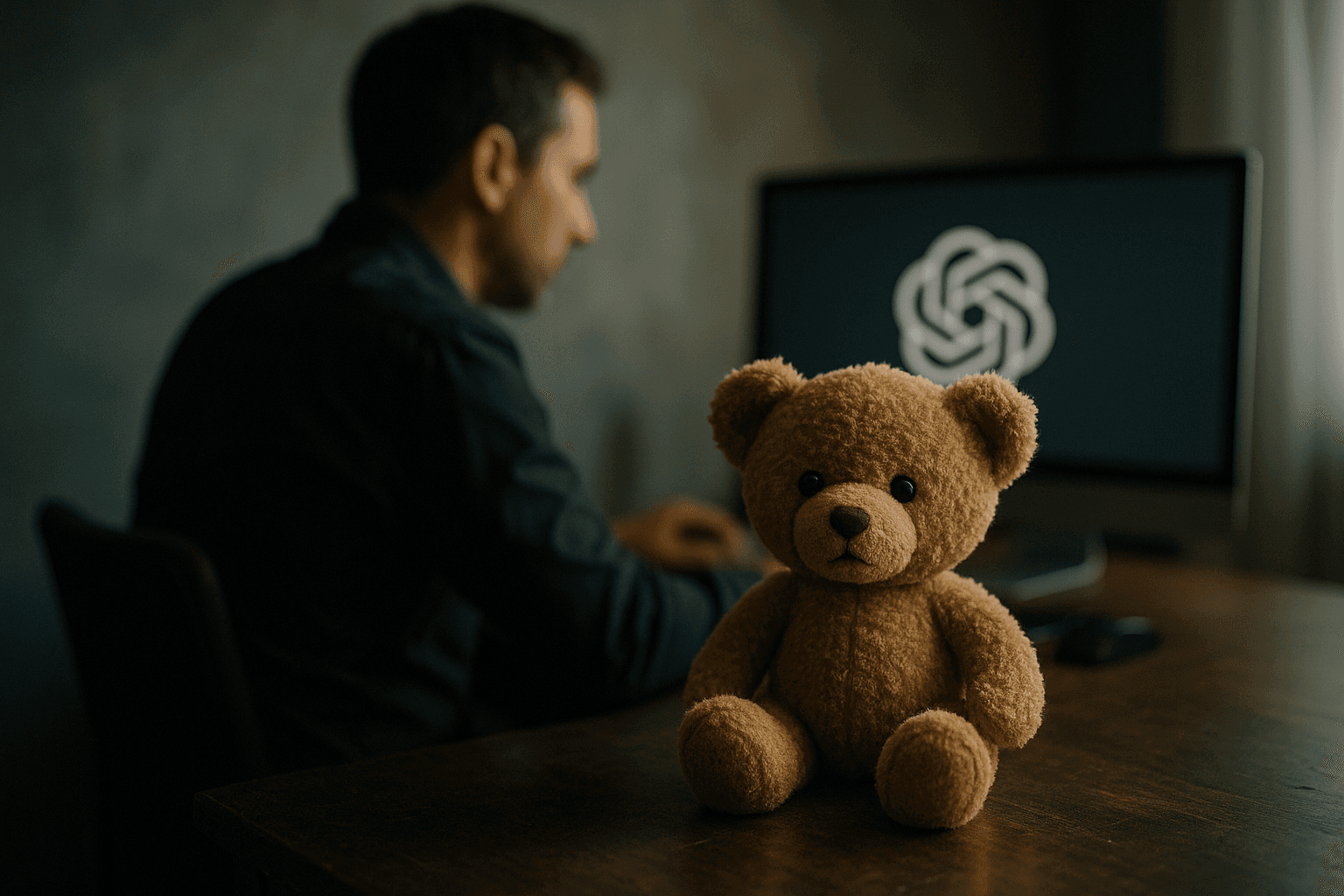
The delay will have immediate commercial implications. Holiday season product introductions are often critical to toy company revenue, and the absence of a marquee AI product this year narrows Mattel's options as it navigates a challenging market. Analysts will be watching how the company adjusts marketing and product plans for 2026, and whether any other new offerings will be advanced to compensate.
Beyond near term sales, the postponement highlights the technical and regulatory complexities of bringing advanced conversational AI into consumer toys. Integrating enterprise grade AI into devices that interact with children requires not only software maturity but also robust privacy engineering, certification and often third party review. The shift in timing suggests either unresolved technical hurdles or deliberate caution as the partners refine safety frameworks.
What remains open is a revised launch timetable, specific product features, which Mattel brands will host the initial offering and the precise nature of privacy and safety protections. Mattel and OpenAI have signaled their work together will continue, and the partnership still aims to lay groundwork for a new generation of interactive products. For parents, investors and regulators, the delay will likely increase scrutiny of how quickly the companies can translate lofty aims into safe, market ready products.
Know something we missed? Have a correction or additional information?
Submit a Tip