Australia Enforces World First Ban on Social Media Under Sixteen
Australia has become the first country to require major social media platforms to block users under 16, a sweeping rule that takes effect today and exposes global tech companies to multimillion dollar fines. The measure raises immediate questions about how platforms will verify age, what privacy costs consumers may face, and whether the change will meaningfully reduce harms to young people.
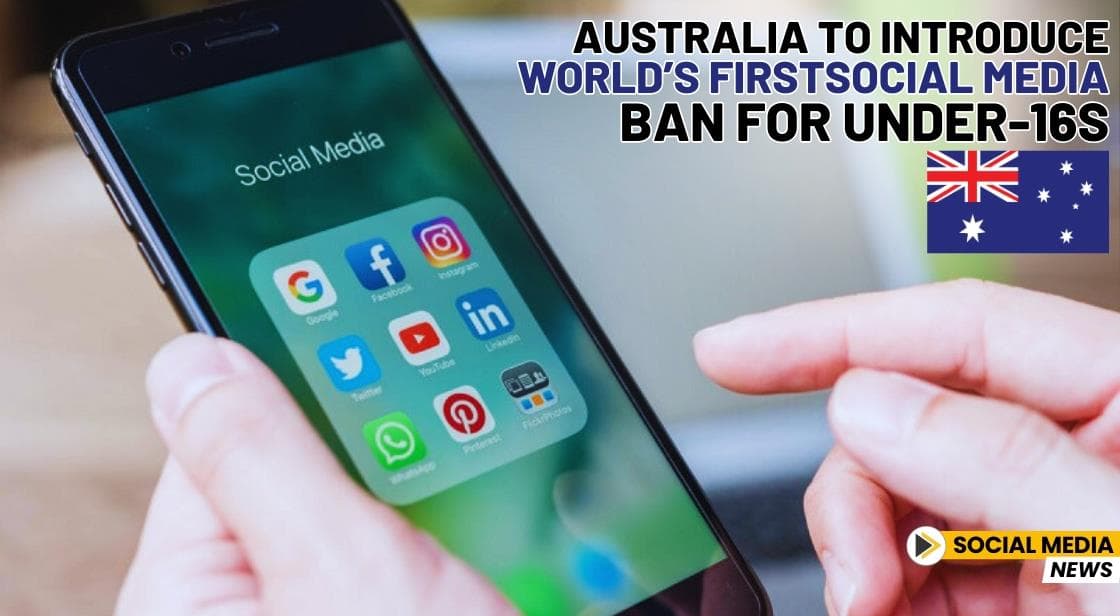
Australia on Wednesday put into effect a law requiring ten large social media platforms to prevent account creation and access by users under 16, marking the first nationwide minimum age enforcement regime of its kind. Companies that fail to implement effective age controls face fines of up to A$49.5 million, a penalty designed to force rapid compliance and to signal a tougher international stance on online child safety.
Government ministers and child safety advocates framed the new rule as necessary to address harms that they and researchers have attributed to social media use among children. They point to concerns about early exposure to harmful content, risks of sexual exploitation, and associations between heavy social media use and mental health problems. The legislation mandates that major platforms take concrete steps to block under 16s from creating accounts or accessing services, and gives regulators the power to issue penalties if those steps prove inadequate.
Technology companies and privacy advocates responded with criticism, warning that enforcing a strict minimum age across billions of users will be technically difficult and likely to produce privacy trade offs. Opponents say age assurance at scale often relies on methods that can erode anonymity and increase data sharing. Potential techniques include digital identity checks or third party verification services, processes that privacy experts say could create new repositories of sensitive information about young people and their families.
Enforcement presents a practical challenge. Platforms will need to decide whether to adopt voluntary verification technologies, require government issued identification, or apply algorithmic estimation to identify underage accounts. Each approach carries drawbacks. Requiring identity documents may prevent many children from signing up, but it could also compel minors to share personal information that privacy defenders view as excessive. Algorithmic age estimation reduces friction for users but raises accuracy and fairness concerns, particularly for groups that are less well represented in training data.

Officials overseeing the law said they expect platforms to outline concrete compliance plans and to phase in technical measures that minimize privacy harms while ensuring rigorous age checks. The government has argued that strong regulation is necessary because previous voluntary industry efforts did not sufficiently protect children. International attention has focused on Australia as a potential model for other nations considering similar steps, even as some countries debate alternative approaches that emphasize parental controls and education rather than outright access restrictions.
Critics also note that motivated young users can sometimes bypass restrictions by using adults accounts, virtual private networks or fabricated credentials, leaving open questions about the law's effectiveness. Observers will be watching whether the large platforms can both meet the legal deadline and build systems that strike an acceptable balance between child protection and user privacy.
As the first measures take effect, the coming months will test whether a legal mandate can change the calculus of online childhood exposure, and whether other governments will follow a path that asks technology companies to police the age of their users at scale.
Sources:
Know something we missed? Have a correction or additional information?
Submit a Tip