Avelo to close RDU crew base, cutting about 78 jobs
Avelo will close its RDU crew base and cut about 78 jobs, affecting Wake County workers and local airport-related businesses.

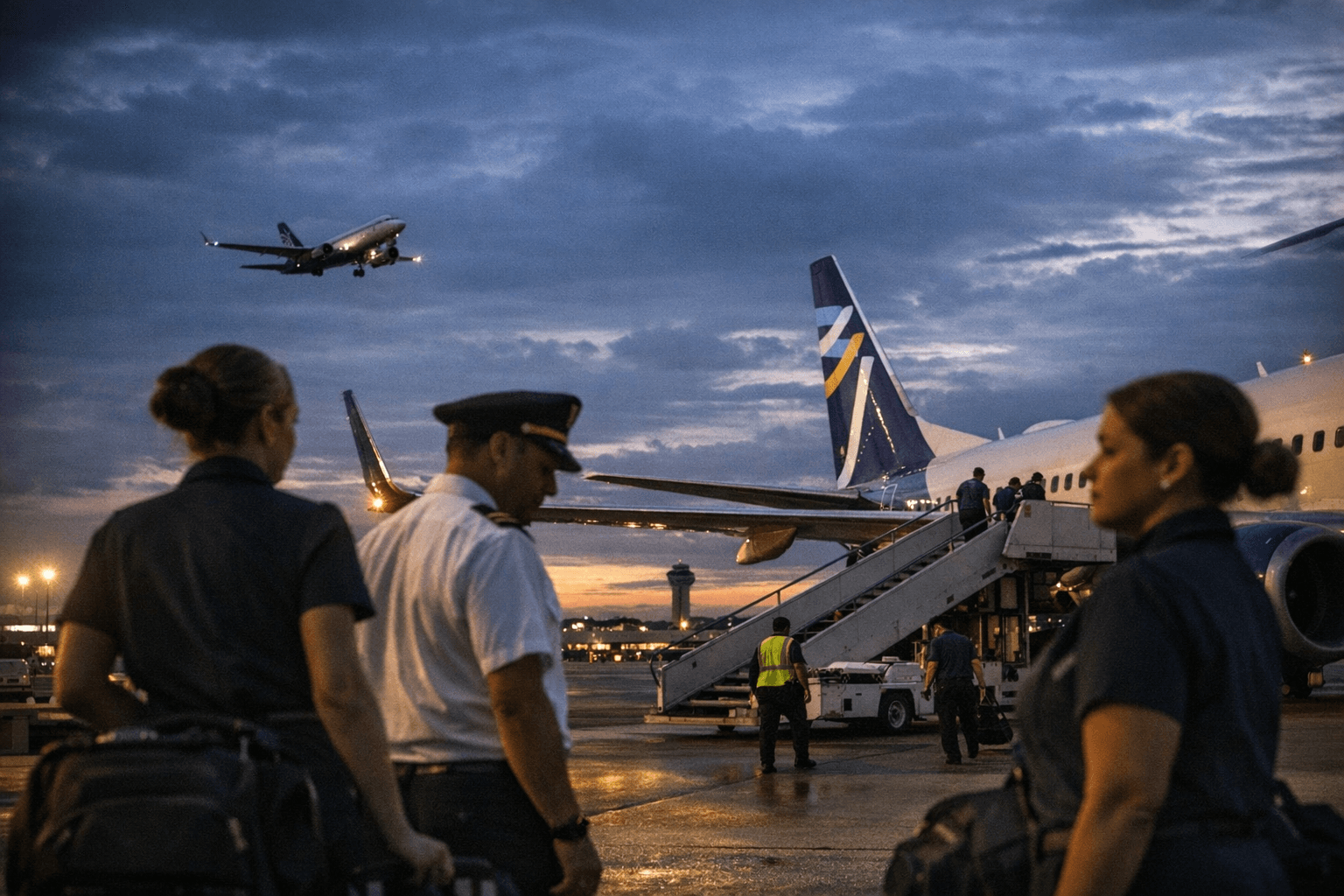
A low-cost carrier that announced a national network restructuring on Jan. 6 told state officials it will close its crew bases at Raleigh-Durham International Airport and Wilmington International Airport, eliminating roughly 78 positions at RDU and about 80 in Wilmington. The company said layoffs are expected to take place in March 2026. Avelo will continue to operate flights to and from RDU but will not host crew bases there, instead operating some RDU services from crews based in New Haven and Rochester.
The move is part of a broader cost-cutting and hub consolidation strategy as the airline narrows its operating footprint and focuses on a smaller set of core hubs. The company also announced it will end participation in certain charter deportation flights, a change that affects a specialized revenue stream alongside the base closures. Passengers can expect schedule adjustments; the airline said it will contact impacted customers about changes to itineraries.
For Wake County the immediate effect is concentrated job losses and potential ripple effects through airport-dependent sectors. About 78 direct positions at RDU will be eliminated, and the loss of a crew base typically reduces overnight hotel bookings, ground transportation demand, and spending at airport concessions. That can shave local sales and hospitality tax revenue and place pressure on nearby small businesses that serve airline staff. At the same time, because Avelo plans to keep serving RDU from other crew locations, passenger connectivity may remain intact though with altered timetables and fewer overnight departures staffed locally.
Market implications reflect larger airline industry trends. Low-cost carriers have increasingly optimized networks to raise aircraft utilization and lower crew and station costs, and Avelo’s decision mirrors that consolidation playbook. For regional airports that have attracted growth through nontraditional carriers, base closures highlight the volatility of airline employment and the need for diversified carrier mixes to sustain local aviation ecosystems.
Policy questions will surface at the county and airport authority levels. State officials were notified of the plan, and local economic development agencies can use workforce tools to assist displaced employees while RDU and Wake County officials may seek to retain service by courting other carriers or negotiating incentive arrangements. The end of certain charter deportation flights also raises administrative and contracting considerations for state and federal partners previously using airline services.
Our two cents? If you or someone you know works at RDU, monitor employer communications and connect with state workforce services sooner rather than later. Travelers should check Avelo emails for schedule changes and consider alternate carriers if timing matters. For the Triangle, this is a reminder that aviation jobs can shift quickly; keeping a diversified economic base around RDU will make the region more resilient.
Sources:
Know something we missed? Have a correction or additional information?
Submit a Tip