New steakhouses and plant-forward concepts reshape Wake County dining
Several local restaurants announced openings and relocations this week, shifting dining options from Glenwood South to north Raleigh and rural Benson. These changes matter for jobs, foot traffic, and neighborhood retail mixes.
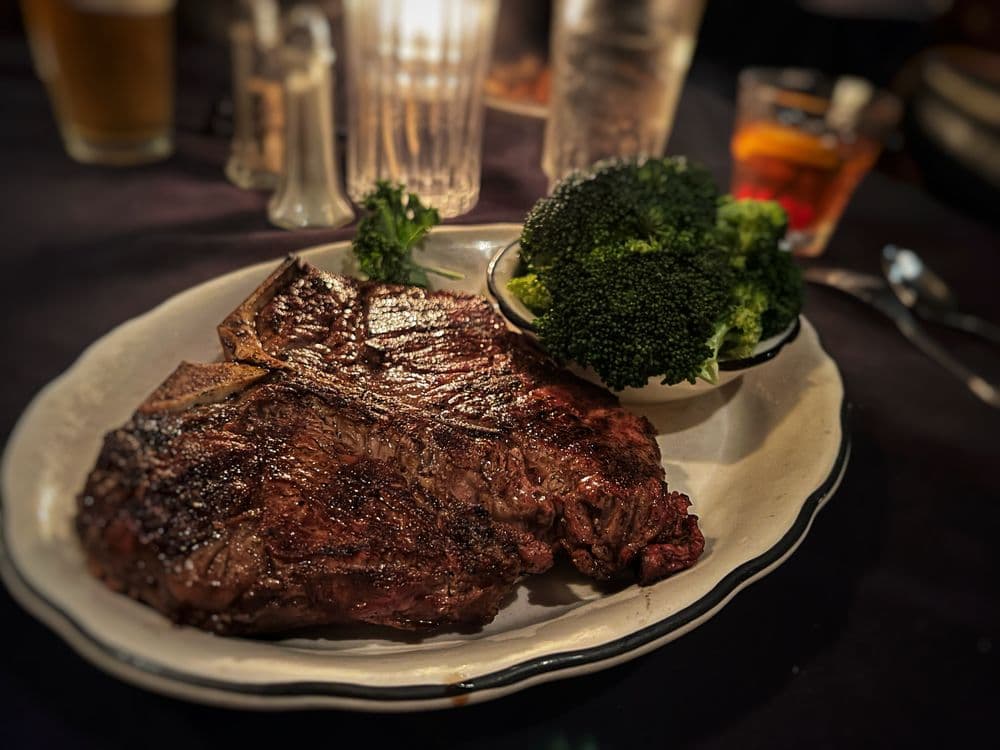
This week’s restaurant roundup for the Triangle highlighted a string of moves and openings that will reshape dining patterns across Wake County. A new steakhouse, Franko's Prime, is set to open in Lafayette Village in north Raleigh, bringing higher-end meat-focused dining to a growing retail node. Marian Cocktails & Kitchen will relocate from Glenwood South to Havenwing Vineyards in Benson, with a February opening planned, while Dirty V, a plant-forward concept with additional locations planned in Myrtle Beach and Miami, will move into Marian’s former Glenwood South space by the end of January.
Those three items tell a broader story about where demand and investment are flowing in the county. Lafayette Village has been building a mix of national and local tenants that benefit from residential growth in north Raleigh; an incoming steakhouse suggests operators see enough affluent weekday and weekend demand to support premium pricing and premium cuts. The relocation of Marian to Havenwing Vineyards shifts an established cocktail kitchen from an urban nightlife corridor to a vineyard setting that aims to combine dining with destination leisure, a model that can drive weekend tourism spending beyond the downtown core.
Dirty V’s arrival in Glenwood South is notable for its plant-forward positioning and for its multi-market expansion. Operators rolling out concepts in multiple cities typically seek scalable menus and strong unit economics; a plant-forward menu can lower food costs, appeal to flexitarian diners, and diversify Glenwood South’s late-night and lunch traffic. The planned out-of-town openings in Myrtle Beach and Miami indicate regional ambitions that could draw culinary talent and supply-chain linkages to local food distributors.
For local residents the practical effects are straightforward. New openings mean job creation across front- and back-of-house roles and potentially more competition for kitchen talent in a tight labor market. Changes in tenant mix will affect foot traffic patterns and peak-hour parking demand in neighborhoods like Lafayette Village and Glenwood South. For downtown businesses that rely on evening crowds, turnover can be disruptive but also an opportunity to capture different customer segments.
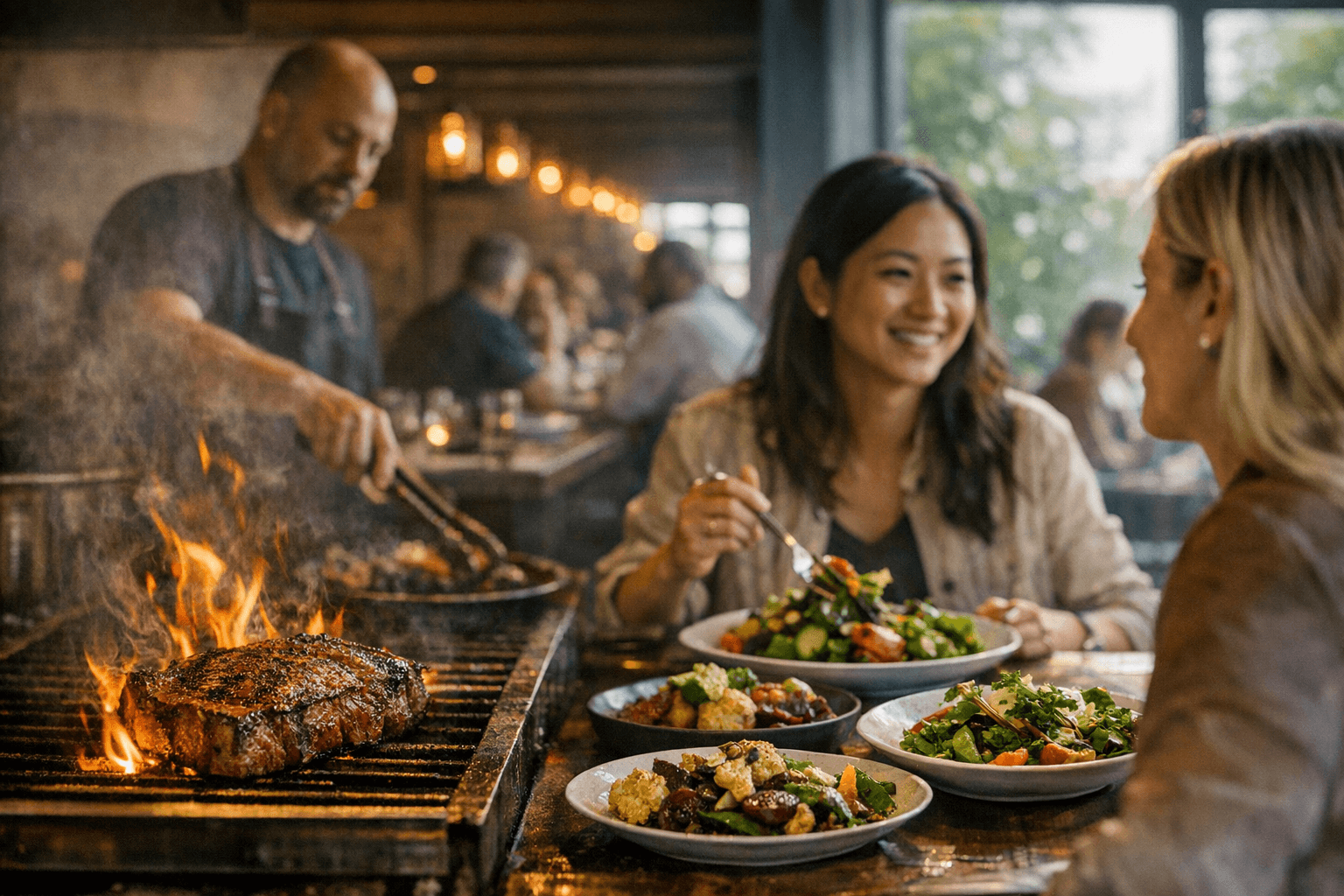
Smaller openings, closings and relocations across Raleigh and nearby communities round out a volatile but dynamic local restaurant scene. Restaurant churn is part of urban economic cycles, reflecting shifting consumer tastes, rent pressures and evolving subsector strategies like casual fine dining and plant-based concepts.
The takeaway? Watch where the tables are moving. If you care about neighborhood vibrancy, try a new spot on a weeknight to support staff in transition and keep an eye on parking and reservation trends as new entrants settle in. Our two cents? Support local operators early: it helps preserve variety and keeps Wake County’s dining scene competitive.
Sources:
Know something we missed? Have a correction or additional information?
Submit a Tip