Wake County restaurant shakeup - new steakhouse and neighborhood turnover
A new steakhouse announced opening while several long-running spots shifted or closed, reshaping dining and nightlife in Glenwood South and other Wake County neighborhoods.
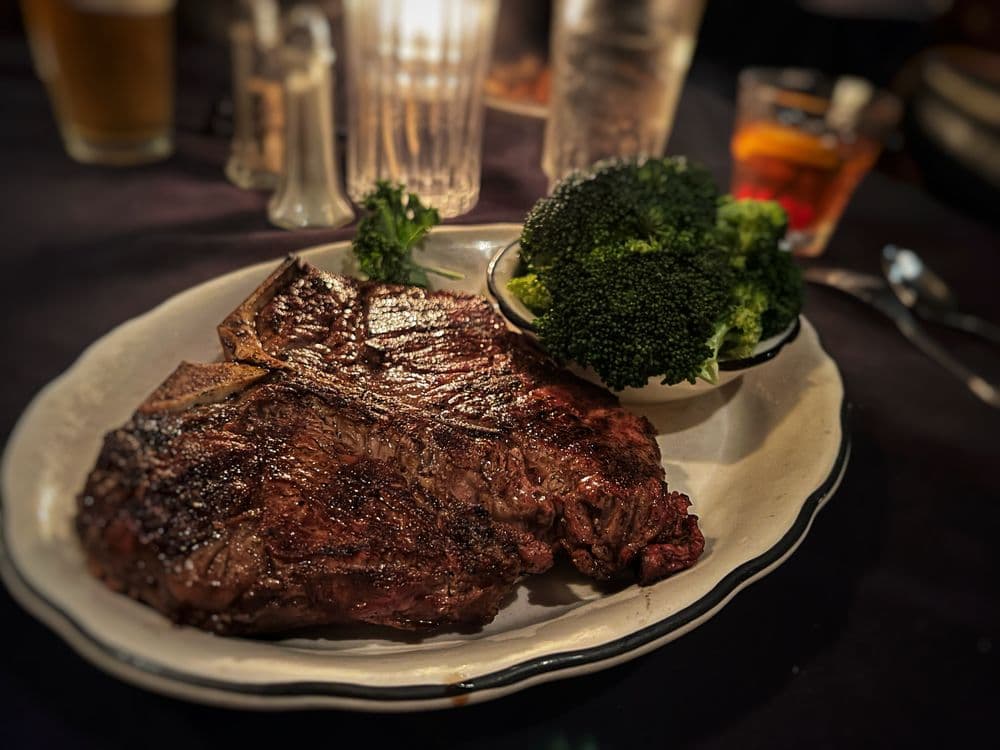
Franko’s Prime, a new steakhouse concept, announced plans to enter the local market this week, while Marian Cocktails & Kitchen confirmed it will leave Glenwood South. Those moves were part of a broader set of openings, closings and menu updates affecting Wake County’s restaurant and nightlife landscape, signaling active commercial turnover across neighborhood corridors.
The most immediate impact is concentrated in Glenwood South, one of Raleigh’s busiest nightlife strips. Marian Cocktails & Kitchen’s departure reduces late-night cocktail capacity in that block and creates a vacant space that landlords and potential operators will aim to fill quickly. At the same time, Franko’s Prime’s entry expands the city’s higher-end dining options and is likely to draw diners from across Wake County who are seeking steakhouse experiences that downtown and suburban venues have not provided recently.
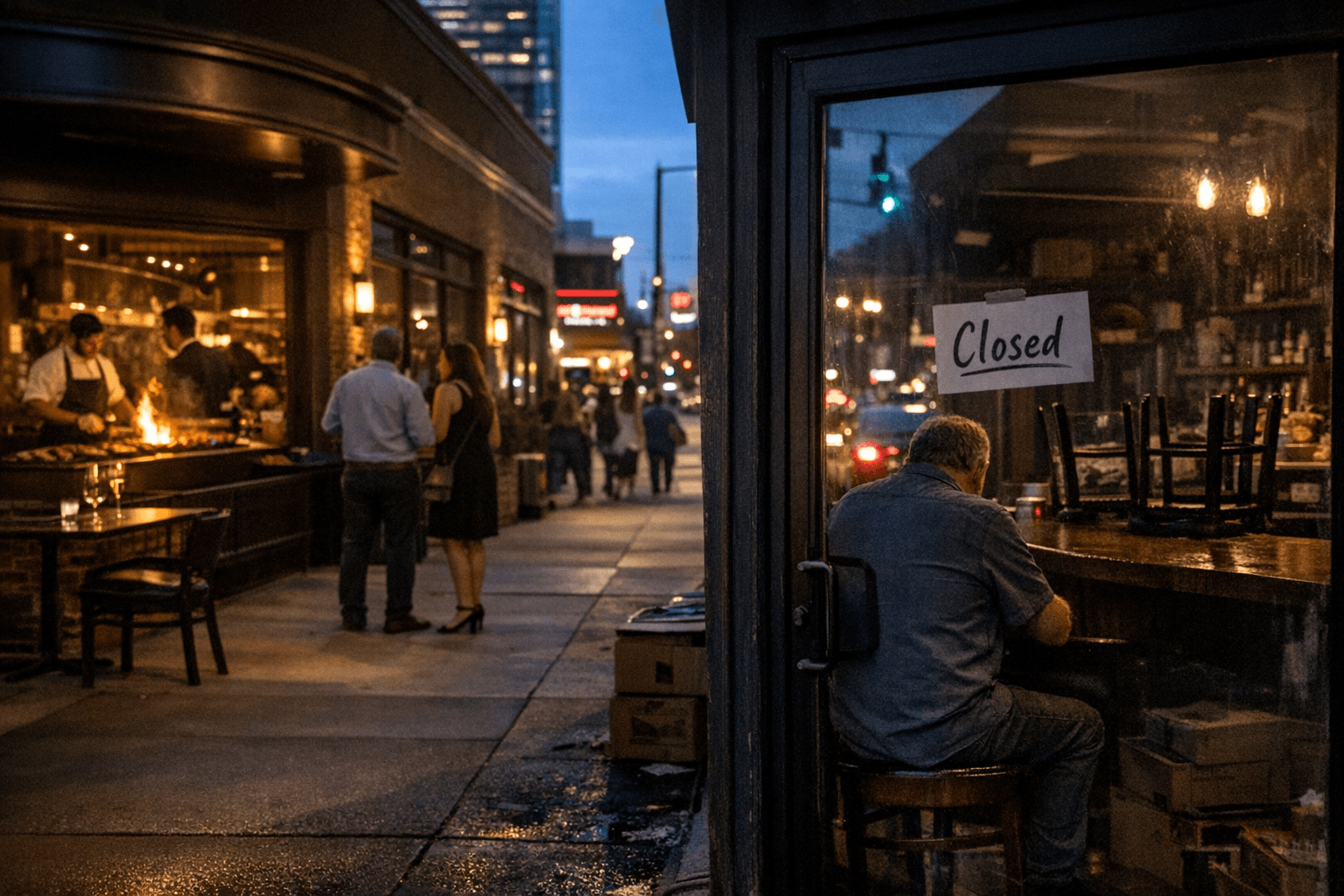
For residents, the changes matter on three levels. First, consumer choice and night-life patterns shift: residents who relied on Marian for cocktails or weekly event nights will need to find new venues, and neighborhood foot traffic could reallocate toward nearby bars and restaurants that absorb that demand. Second, employment and contractor work follow openings and closings; turnover tends to create short-term hiring spikes for new concepts and transitional unemployment for staff tied to shuttered venues. Third, local commercial real estate dynamics are affected. New entrants such as Franko’s Prime can increase landlord confidence and potentially push rents upward in desirable corridors, while closures add to vacancy risk in areas with weak daytime foot traffic.
These micro changes sit against larger economic currents. Wake County, home to more than one million residents, has seen steady population and job growth for years, supporting robust demand for dining and nightlife. Yet restaurant economics remain tight: labor costs, supply-chain pressures and consumer preferences for delivery and curated experiences have encouraged operators to experiment with formats, event nights and rotating menus. That experimentation is visible in the recent batch of openings and closings, as operators chase niches that promise higher margin or steadier weekday traffic.
Policy and planning choices matter here. Zoning flexibility, permitting speed and targeted business support can shorten downtime for vacant spaces and lower barriers for operators testing new concepts. For neighborhoods interested in preserving a nightlife identity, coordinated efforts on lighting, policing and curbside management can help maintain pedestrian flows that sustain restaurants through weekday lulls.
The takeaway? Keep an eye on business pages and operator social channels for updated menus and event nights, and expect more churn as operators refine concepts to match Wake County demand. Our two cents? If you liked Marian’s vibe, try a nearby spot this weekend and bookmark Franko’s Prime’s opening — neighborhood dining scenes evolve fast, and showing up matters to the places you want to keep.
Sources:
Know something we missed? Have a correction or additional information?
Submit a Tip