Baker County families urged to track school calendars and routes
Multiple small districts across Baker County use different calendars and rural bus routes; parents should check district websites and county offices for enrollment and transportation details.
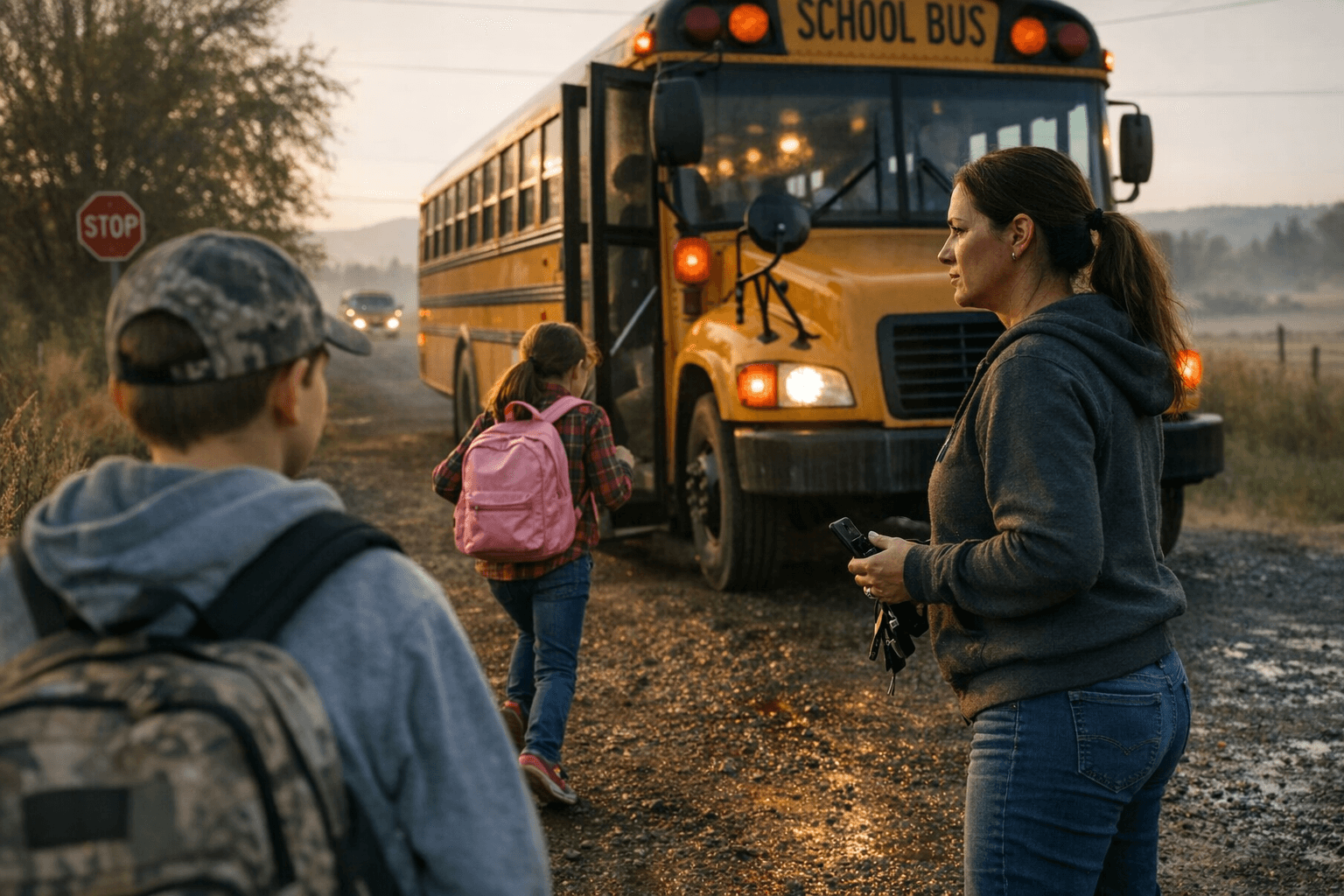
Parents and caregivers across Baker County are navigating a patchwork of school calendars, rural bus routes and district policies that can affect daily schedules, childcare and student services. The county is served by several small districts with distinct boundaries and operational rhythms: Baker School District 5J in Baker City (including Baker High School and Baker Middle School), Pine‑Eagle School District 61 based in Halfway serving Halfway and Richland, Huntington School District 16J in the Huntington area, Burnt River School District 30J covering the rural Burnt River area, and North Powder School District 8J serving North Powder. Families need to consult district websites and the Baker County Chamber and county offices for enrollment, transportation, calendars and school‑board notices.
Small districts often coordinate with regional education service districts and community colleges to provide special programs, career and technical education, and alternative learning options. Those partnerships expand opportunities but also introduce scheduling variables — vocational classes, off‑site programs and shared services can mean students travel on different days or require different drop‑off arrangements than classmates. For households planning work schedules, childcare or after‑school care, these variations are consequential.
Transportation presents particular challenges in a rural county. Bus routes can be long and sparse, and some schools operate four‑day weeks that shift when students are on campus. That affects family logistics as well as district budgeting and staffing. Decisions about calendars, bus routes and program offerings are governed locally by elected school boards, where meeting schedules and policy votes determine service levels and priorities. Civic engagement at the school‑board level therefore has direct policy implications for daily life in Baker County.
Practical steps residents should take include checking individual district calendars before making plans for childcare or travel, confirming bus‑stop locations and pickup times with district transportation offices, and monitoring school‑board meeting agendas for notices about calendar changes, program cuts or service expansions. Because many of the districts are small, board elections and meetings can be decided by a relatively small number of voters — turnout and public comment matter. Attending meetings, asking about how district funds are allocated and following community college and education service district announcements can influence outcomes that shape local classrooms and workforce pathways.
The institutional landscape in Baker County — multiple small districts, regional service coordination and rural transportation realities — will continue to shape student access to courses, extracurriculars and career training. Our two cents? Bookmark your district’s calendar, pin down your student’s bus stop and make school‑board time part of your civic calendar; showing up is the clearest way to protect the services families rely on.
Know something we missed? Have a correction or additional information?
Submit a Tip

