Baker County Opposes Liquid Radioactive Waste Transport Through Eastern Oregon
On Jan. 9, 2026, the Baker County Board of Commissioners formally expressed opposition to plans that would transport liquid radioactive waste through Eastern Oregon, citing public safety, environmental, and infrastructure risks for rural communities along the routes. The board urged state and federal agencies to reconsider the proposal and pursue safer alternatives, a decision that could shape regional emergency planning and local input on hazardous material policy.
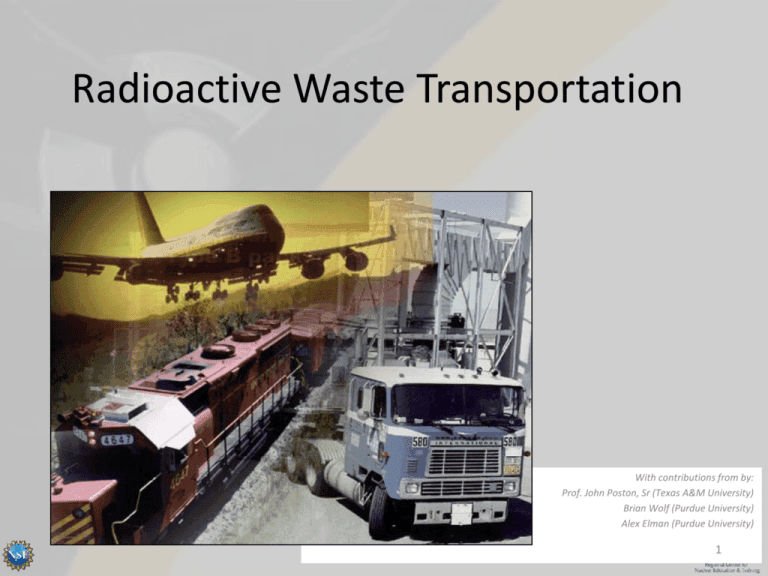
The Baker County Board of Commissioners voted on Jan. 9, 2026 to oppose proposals that would move liquid radioactive waste through Eastern Oregon, saying the plan would put residents, first responders, waterways, and critical transportation corridors at unacceptable risk. Commissioners emphasized that while radioactive waste must be managed, the form and method of transport matter for rural counties that would host long highway and rail corridors.
Commissioner Christina Witham warned of heightened hazards posed by moving liquid material through multiple counties. “Transporting the waste in liquid form is irresponsible and poses a threat to all the counties those materials will cross,” Witham said. “We are stewards of the land and water that sustain our communities. Introducing liquid radioactive waste into that system is a risk we should not be asked to accept.”
Commission Chair Shane Alderson framed the county action as part of broader state and federal concern, urging that public safety drive any relocation of radioactive materials. “I add my voice to those of Governor Kotek and Senators Wyden and Merkley. If radioactive waste must be moved, it should be done in the safest manner possible, not the most convenient. Our communities deserve that level of care and consideration,” Alderson said. “Baker County is not opposed to solutions—but we are opposed to solutions that place rural communities at unnecessary risk while safer alternatives exist.”
Commissioner Michelle Kaseberg highlighted the imbalance of risk and benefit between urban decision makers and rural communities that would bear transport impacts. “Eastern Oregon communities are being asked to assume significant risk without clear assurances, adequate safeguards, or meaningful local input,” Kaseberg said. “Our counties should not be treated as pass-through zones for hazardous materials without the highest possible standards for safety and accountability.”
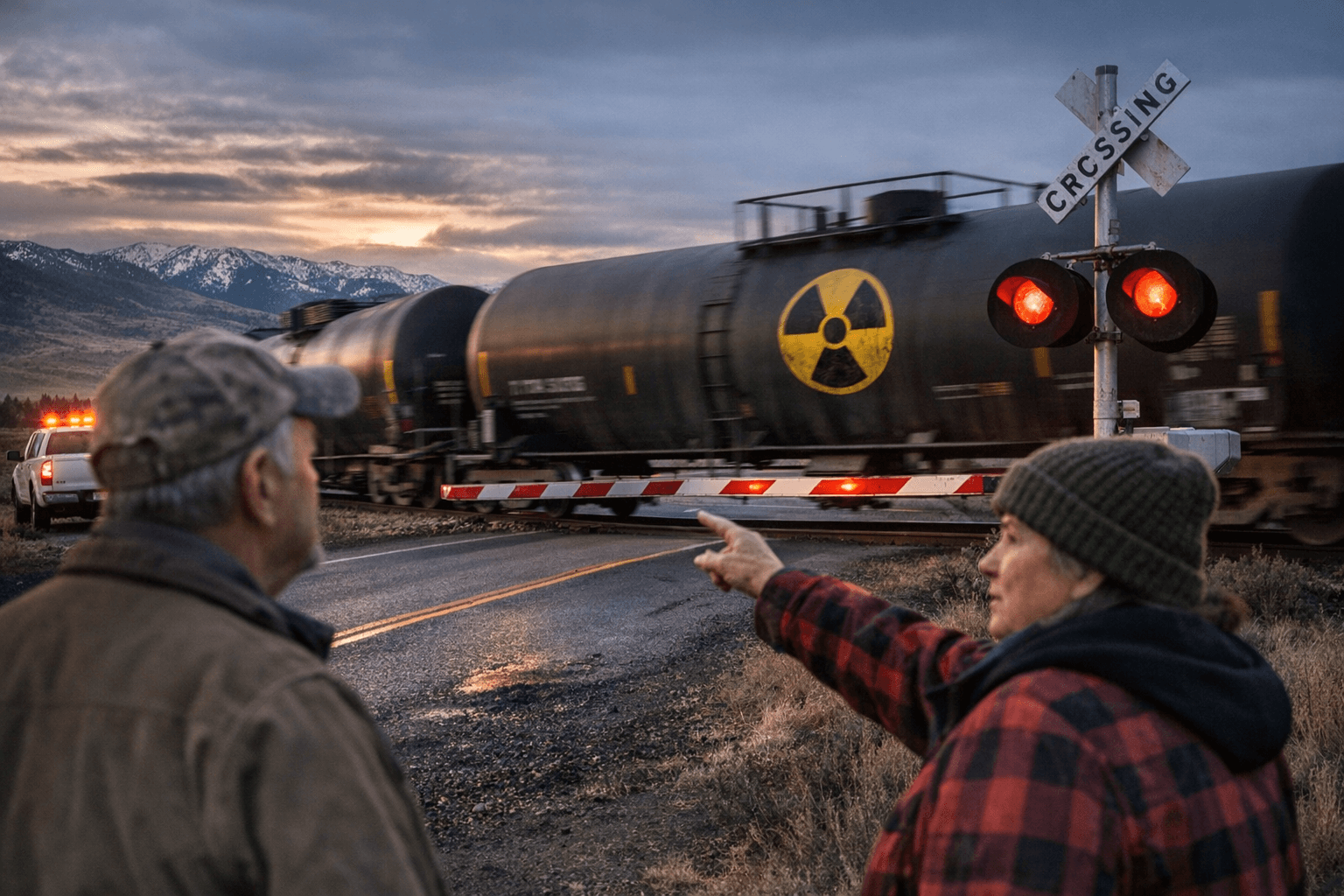
The board called on state and federal agencies to reconsider the current proposal and pursue alternatives that prioritize solidification of waste prior to transport, enhanced emergency preparedness, and meaningful consultation with affected local governments. For Baker County, those steps address immediate concerns about emergency response capacity in remote areas, potential contamination of waterways that support agriculture and recreation, and the long-term wear on county roads and bridges from heavy, specialized carriers.
The county action adds a formal local-government voice to ongoing debate over how to move radioactive waste safely and who gets a say in those decisions. For residents, the commissioners’ stance underscores a demand for greater transparency, stricter safeguards, and advance planning to protect communities that lie along regional transport routes.
Sources:
Know something we missed? Have a correction or additional information?
Submit a Tip

