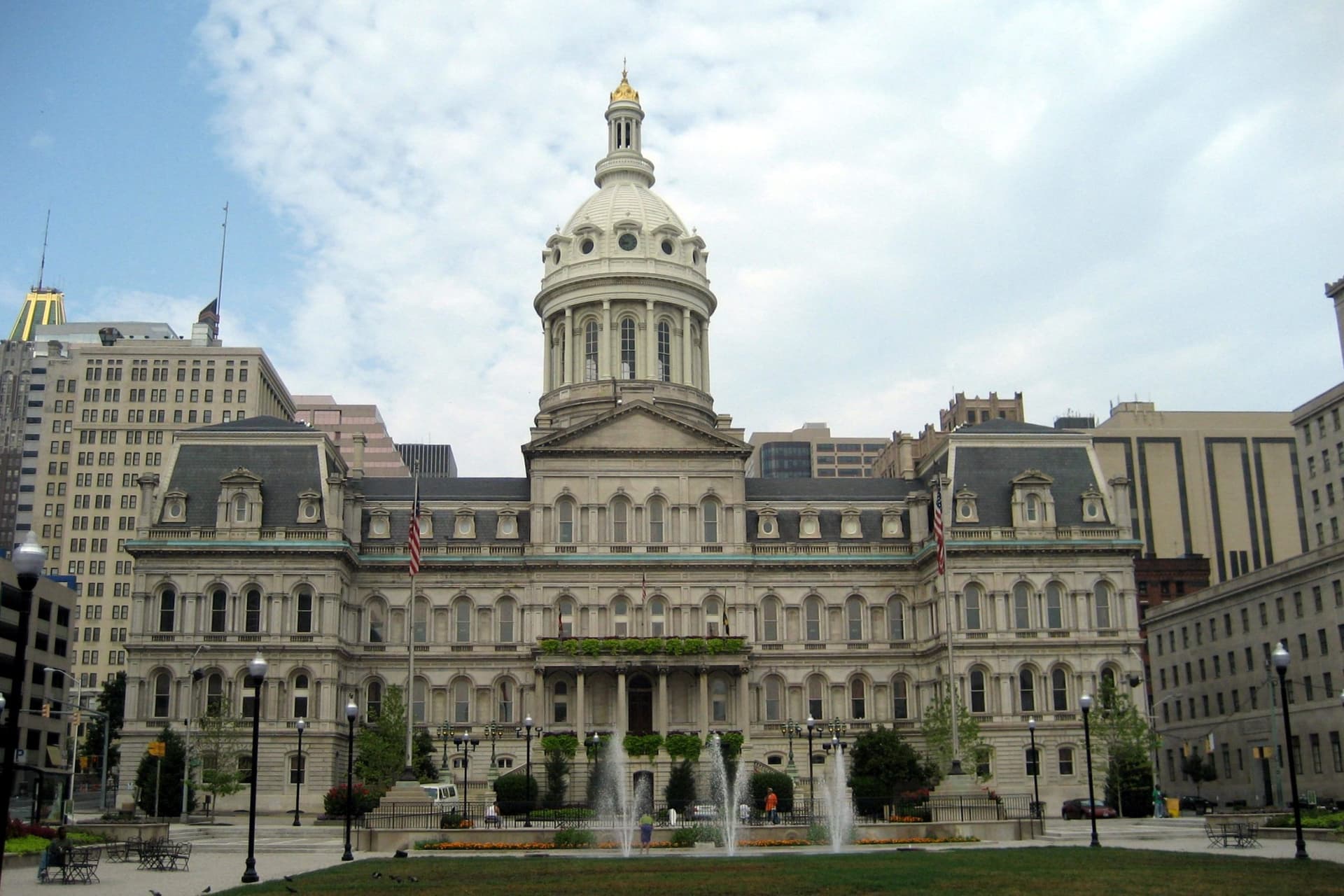
Baltimore downtown city campus reopens after heating outage
City buildings and in-person services reopen today after a heat loss forced closures; a downtown lane has also been reopened to traffic.
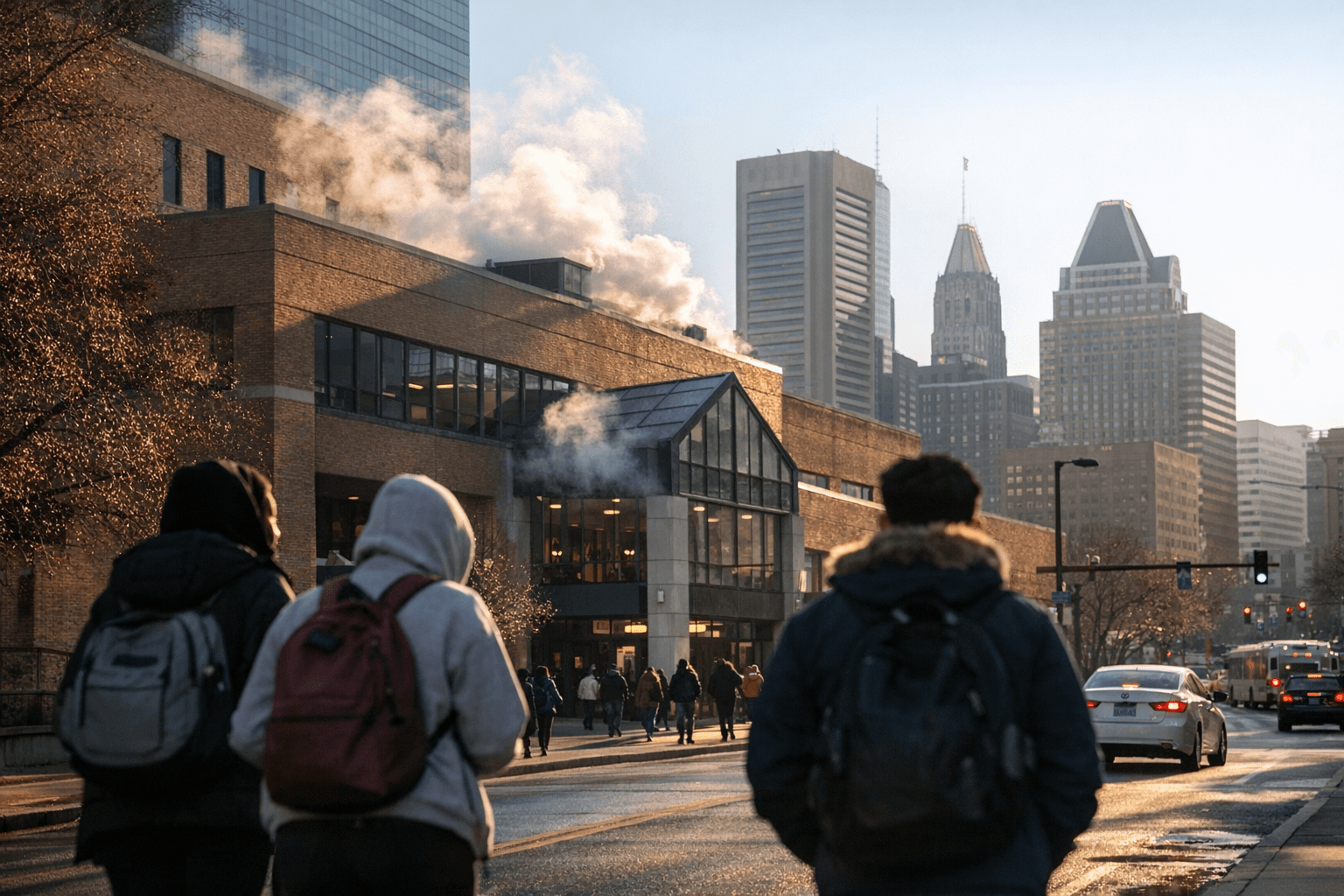
The City of Baltimore reopened its Downtown City campus buildings today, restoring normal hours and in-person services after a loss of heat prompted closures last week. The move restores access for residents who rely on walk-in city services and ends a lane restriction that had compounded downtown disruptions.
City officials had closed all Downtown City campus buildings last Friday after crews detected a loss of heat affecting area buildings. The closures canceled in-person services located in those facilities and restricted access to the campus for residents and employees. The right lane closure along Guilford Avenue between Lexington Street and E. Fayette Street, put in place during the response, has been reopened.
The immediate impact of the closure was logistical: residents with appointments or licensing needs had to reschedule or seek alternate channels during the outage, and downtown commuters faced a lane reduction on a primary corridor. Restoring building operations removes those barriers and returns routine access to services including permitting, payments, and in-person assistance housed on the downtown campus.
This incident underscores the operational dependence of municipal services on building systems such as central heating. Winter weather increases strain on heating infrastructure, and failures can ripple across city functions and street operations. For Baltimore residents, interruptions like this translate into missed work, shifted appointments, and added travel time when traffic lanes are constrained.
City operations now pivot from immediate recovery to follow-up: ensuring heating systems remain stable through the remainder of the cold season and communicating any further service changes to the public. The reopening of the Guilford Avenue lane eases a key downtown choke point, but the incident highlights the need for sustained maintenance and contingency planning so essential services remain available during infrastructure failures.
For residents who were directly affected, the return to normal hours means appointments can proceed and in-person needs can be addressed without rerouting to alternate locations. For downtown commuters, the restored lane reduces congestion and the potential for secondary delays tied to the city response.
The takeaway? Check before you go. If you rely on in-person city services, confirm hours and locations as you plan your trip downtown and expect prompt updates if the city identifies further building or street impacts. Our two cents? Treat city service interruptions like winter weather: give yourself extra time, verify appointments, and follow official city channels for the fastest updates.
Sources:
Know something we missed? Have a correction or additional information?
Submit a Tip