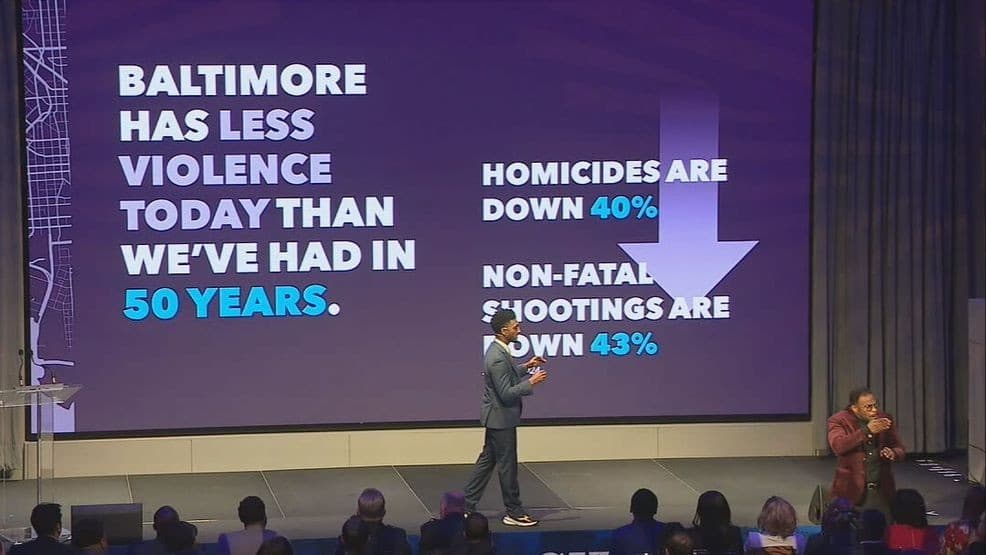
Downtown Baltimore government buildings closed after steam outage
Several downtown government buildings closed Friday after losing heat due to emergency steam repairs, disrupting in-person city services and access for residents.
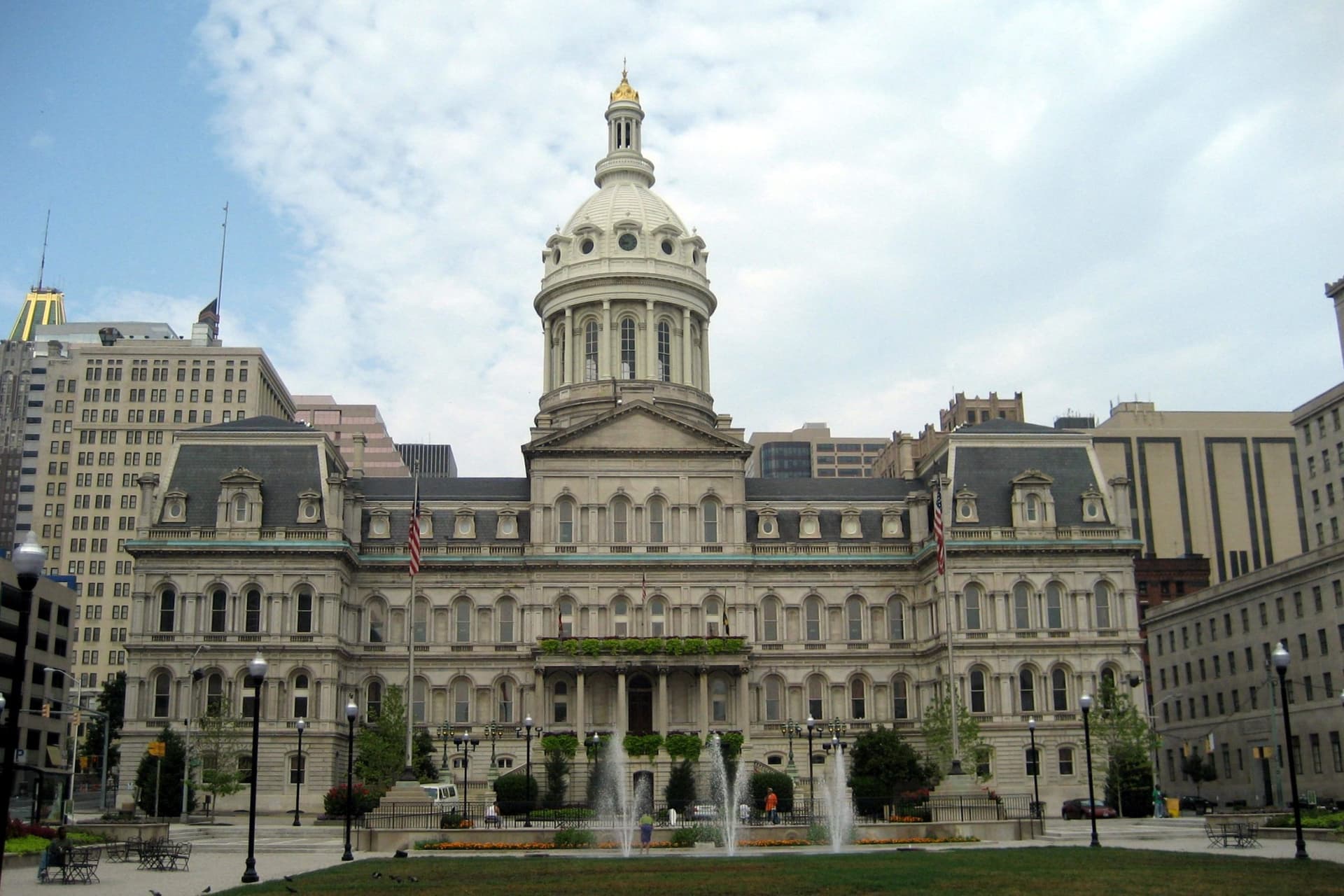
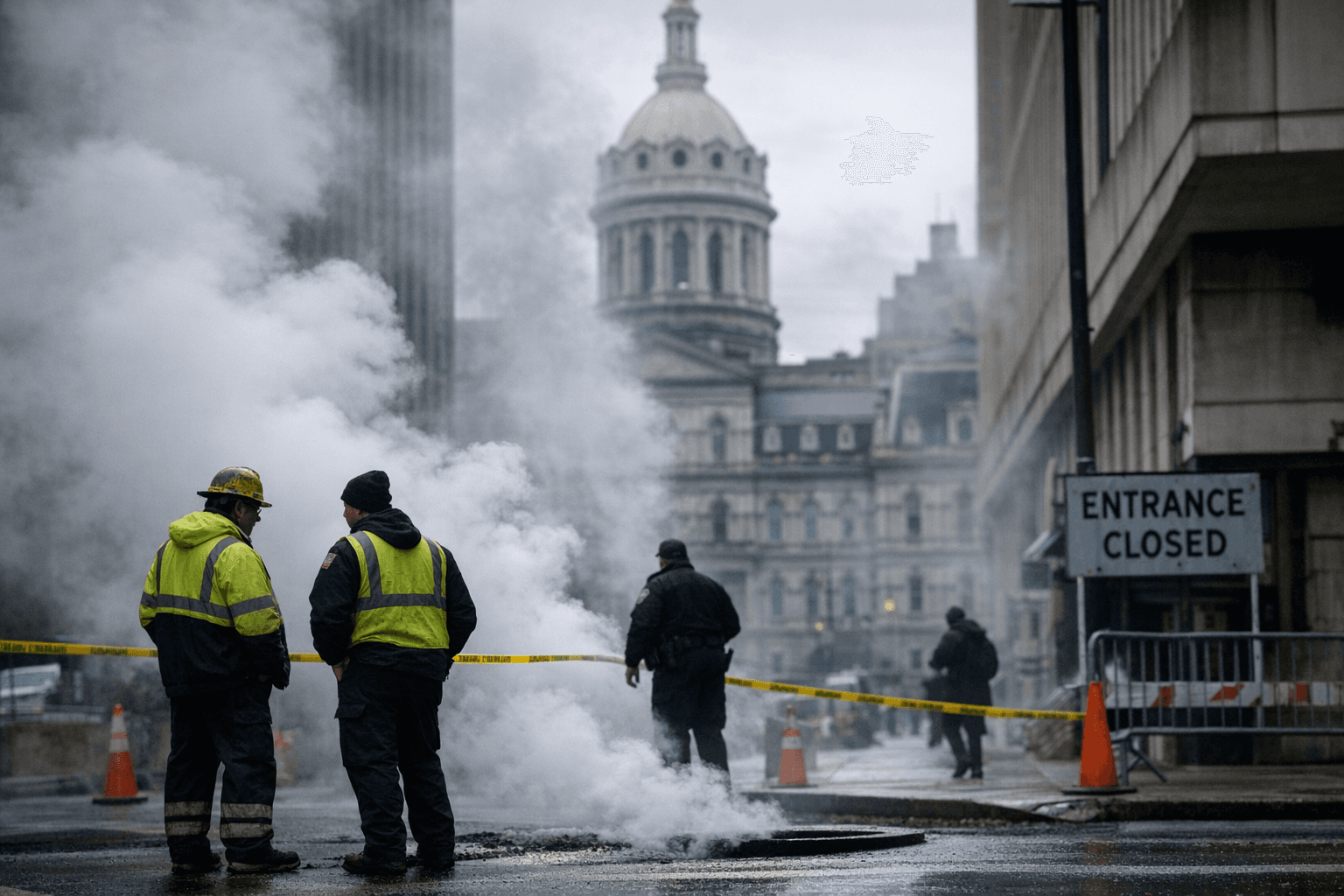
Several downtown Baltimore government buildings, including City Hall and a courthouse, closed Friday afternoon after losing heat during emergency repair work on the downtown steam system. The closures, effective as of 1:30 p.m. on January 9, 2026, affected Baltimore City Hall at 100 N. Holliday St.; the Abel Wolman Municipal Building at 200 N. Holliday St.; the Cummings Courthouse at 111 N. Calvert St.; and multiple addresses on Lexington and Guilford avenues, including 220 E. Lexington St., 212 E. Lexington St., 200 E. Lexington St., and 210 Guilford Ave.
The outage stemmed from emergency repair work conducted by Vicinity Energy, the company that operates the steam infrastructure supplying heat to many downtown properties. Vicinity crews worked to restore heat to the impacted buildings, and city officials said that until crews completed repairs and restored heat, all in-person city services located in those buildings would be unavailable.
Practical services taken offline included in-person billing, revenue collection, and water system customer service. Residents were directed to pay bills and access other city services online while the closures were in effect. A traffic impact accompanied the repair work: a right-lane closure on Guilford Avenue between Lexington and E. Fayette streets reduced capacity for drivers and impacted pedestrian access in that block of the downtown core.
The immediate disruption highlighted two interlocking issues for Baltimore residents. First, the concentration of core civic services in a small cluster of heat-dependent buildings creates a single point of failure for in-person access. Second, the reliance on a privately operated steam system raises questions about oversight, maintenance standards, and contingency planning when failures occur. For residents without reliable internet or those who rely on in-person assistance for billing or water issues, the outage posed an equity problem: digital directives to "pay online" do not solve access barriers for everyone.
Institutional lessons are clear. City administrative continuity depends on robust backup plans that include alternative service locations, mobile units, extended deadlines, and targeted outreach to vulnerable populations during infrastructure failures. Contractual arrangements with infrastructure providers should include clear timelines, emergency response obligations, and transparency measures so officials and residents know who is responsible and when services will be restored.
For downtown workers and residents, the practical fallout was immediate: delayed in-person transactions, altered courthouse access, and street disruptions near Guilford and Lexington. City leaders and Vicinity Energy will need to account publicly for the outage, timelines for restoration, and steps to prevent recurrence.
The takeaway? If you had plans to visit any downtown city office that day, assume you should have checked online first or called ahead. Our two cents? City Hall needs reliable backup plans that protect people who cannot go digital — and residents should expect clearer timelines and local alternatives when centralized systems fail.
Sources:
Know something we missed? Have a correction or additional information?
Submit a Tip