Baltimore records lowest homicide total in roughly 50 years
Baltimore ended 2025 with 133 homicides, the lowest in about 50 years. Police say they will use targeted, data-driven policing and community partnerships to sustain gains.
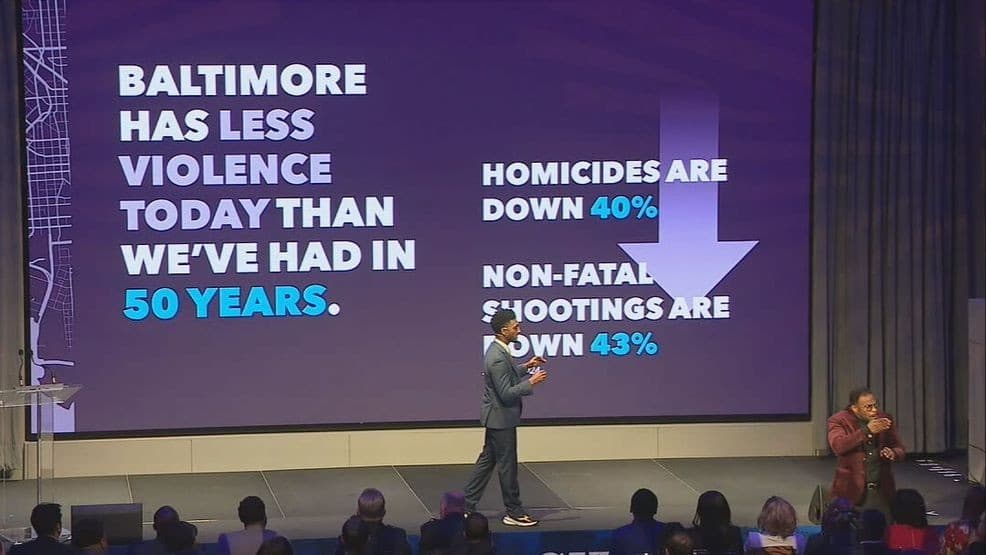
Baltimore closed 2025 with 133 homicides, a dramatic decline that city leaders and residents have called historic and a clear inflection point for public safety in Charm City. Police Commissioner Richard Worley framed the reduction as the result of a coordinated strategy that mixed focused enforcement with prevention efforts and deeper collaboration across government and community lines.
Worley acknowledged that his earlier public target of ending the year below 150 homicides was met with skepticism, but said department tactics helped produce a significant drop. The commissioner described a blend of approaches: targeted policing that concentrates resources where violence is concentrated, data-driven tactics to inform deployments and investigations, and support for community-based violence-interruption programs that aim to prevent conflicts before they turn deadly.
Those community programs play a central role in the police strategy going forward. Worley emphasized partnerships with local organizations and other government agencies as essential for sustaining the reductions. That includes continued cooperation with state and federal partners who can provide investigative resources, funding, and coordination on cases that cross jurisdictional lines.
For Baltimore residents, the shift carries both immediate and practical implications. Fewer homicides can translate into safer blocks, calmer evenings for families and businesses, and reduced trauma in neighborhoods that have borne the brunt of violence. It also raises questions about how resources will be allocated in 2026: whether the city will expand violence-prevention budgets, maintain or adjust patrol patterns, and invest further in programs that intervene in conflicts before they escalate.
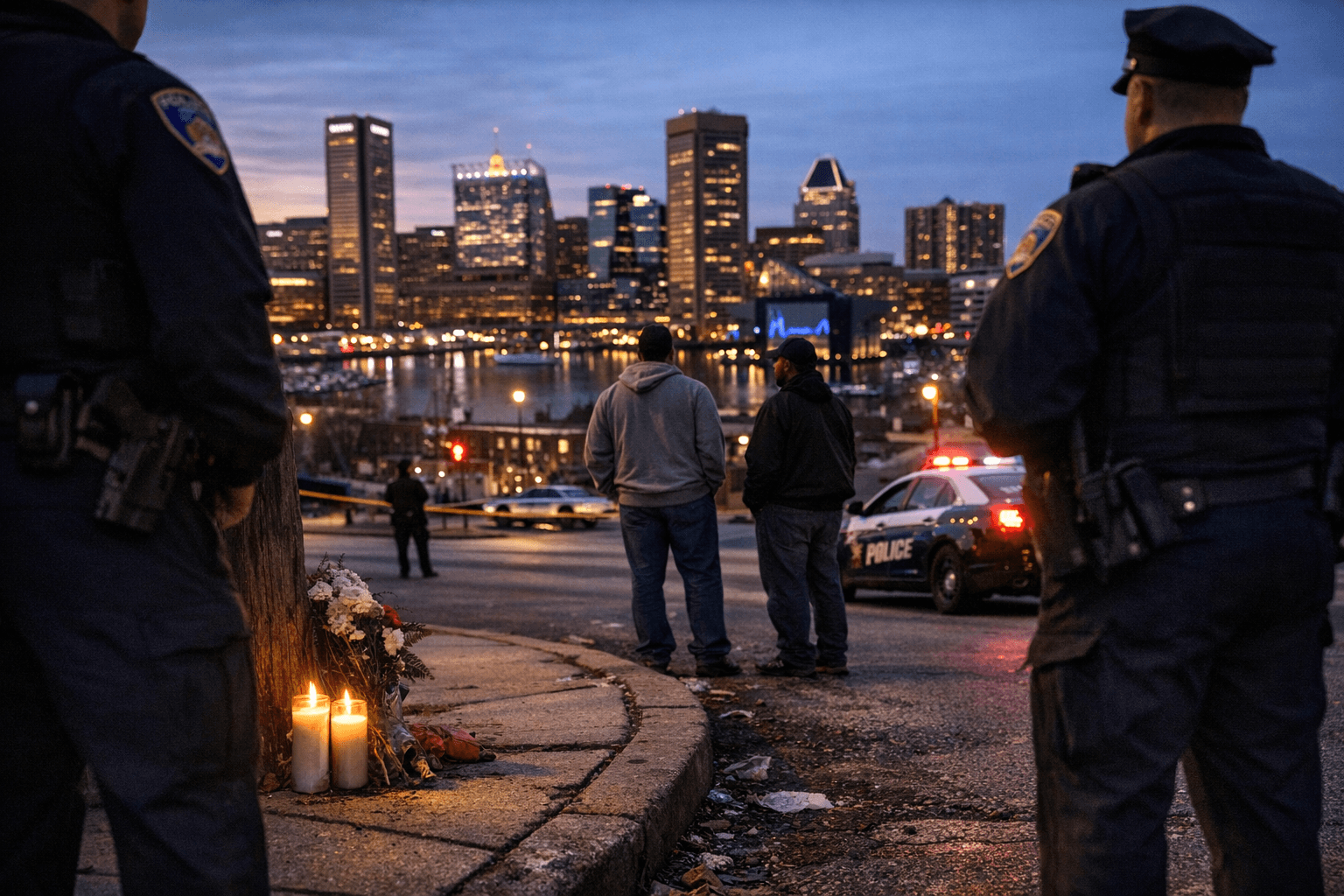
The commissioner’s emphasis on data and targeting signals a move away from one-size-fits-all patrol strategies toward more surgical deployments that prioritize known hotspots and repeat offenders. At the same time, sustaining gains will depend on community trust and the effectiveness of nonpolice interventions — from street outreach to social services — that address root causes like housing instability, youth opportunity gaps, and access to mental health care.
There are also accountability and legal considerations. Collaborations with state and federal partners operate within existing laws and grant frameworks, and community groups will be watching whether new strategies respect civil liberties while producing results. For neighborhood leaders, clergy, business owners and residents, the question is how to translate last year’s momentum into durable change without reverting to reactive cycles.
Our two cents? Celebrate the progress, but treat it like a fragile victory: keep pushing for transparency on where resources are going, demand measurable goals for prevention programs, and stay involved in local meetings. If the city wants to hold on to these gains, neighbors need to keep talking to one another and to officials — and press for the services that turn fewer homicides into safer lives.
Sources:
Know something we missed? Have a correction or additional information?
Submit a Tip