State’s Attorney signals court fight over MONSE data sharing
Baltimore’s top prosecutor says a dispute over information sharing with MONSE could go to court, raising questions about victim rights and how prevention programs coordinate with prosecutions.

Baltimore State’s Attorney Ivan Bates warned that a dispute over information sharing with the Mayor’s Office of Neighborhood Safety and Engagement (MONSE) is likely headed for the courts, placing the city's violence-prevention work under legal scrutiny. Bates said discovery obligations, victim-notification rules, and confidentiality tied to witness-protection cases are central problems arising from MONSE’s handling of participant and program information.
Bates framed the conflict as more than a bureaucratic spat: his office is ethically and legally bound to follow rules that protect victims and witnesses, and he argued MONSE’s practices have created potential legal and constitutional exposures. He pointed to an instance where MONSE provided only 20 names for a presentation that referenced hundreds of participants, saying that uneven data sharing can create discovery gaps that complicate or derail prosecutions.
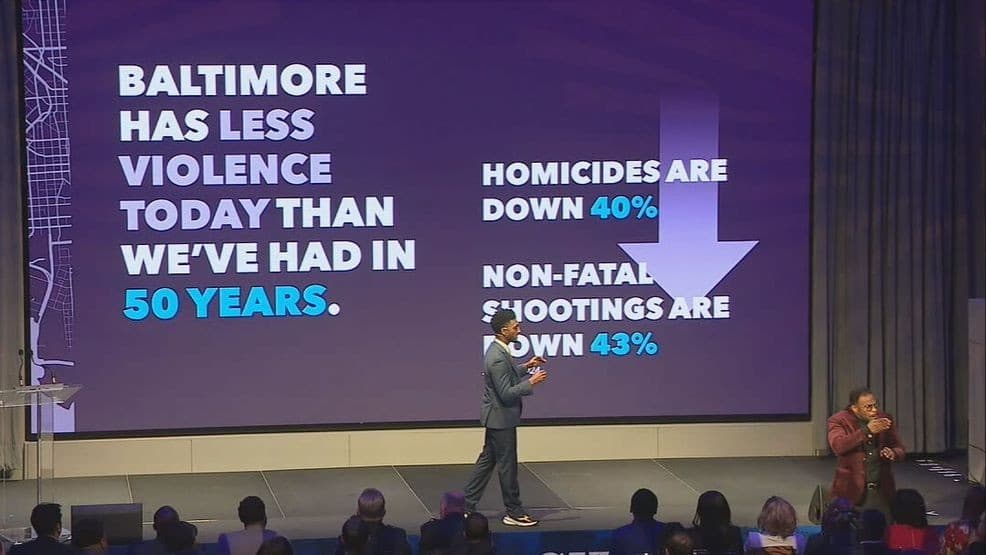
The dispute touches programs residents already know by name: the Group Violence Reduction Strategy (GVRS) and the SideStep pilot diversion program. Bates raised particular concern about SideStep, arguing victims must be notified and have a say when diversion is considered and flagging how participant stipends were administered as an additional legal worry. He has exchanged letters with the mayor’s office and retained outside counsel to analyze the questions; Bates said the analysis will be released publicly in the coming days.
The clash highlights a broader operational tension in Baltimore: prevention and outreach efforts depend on trust, confidentiality, and rapid engagement, while prosecutors must preserve evidence, honor disclosure rules, and protect victims and witnesses. When those obligations collide, the result can be delayed prosecutions, jeopardized cases, or chilled cooperation from victims and community partners. For survivors and neighbors, the dispute raises immediate concerns about whether programs will continue uninterrupted and how participants’ privacy and legal rights are being handled.
For community organizations and outreach workers, the case underlines the legal tightrope between rapid, street-level intervention and the formal demands of the criminal justice system. If the disagreement ends up in court, judges may be asked to balance victims’ constitutional and statutory rights against program confidentiality claims and the city’s interest in lowering violence through diversion and support services.
The practical consequence for Baltimoreans is simple: coordination between City Hall and the State’s Attorney’s office matters for both public safety and fair process. The coming days should bring the Bates office analysis and a city response; those documents will shape whether program operations change, whether new data-sharing protocols emerge, or whether a judge must set the terms.
Our two cents? Pay attention to how MONSE and the State’s Attorney reconcile victims’ rights with program confidentiality. That balance will determine whether Baltimore keeps effective, trusted prevention work running alongside prosecutions — or finds itself litigating the cost of collaboration.
Sources:
Know something we missed? Have a correction or additional information?
Submit a Tip