MTA Unveils New Subway Cars to Improve Baltimore Transit
The Maryland Transit Administration on Jan. 7 unveiled a new fleet of subway cars designed with modern amenities aimed at improving service for Baltimore riders. Officials say the upgrades - from larger windows and brighter lighting to more bicycle storage - are the first step in broader efforts to modernize the city's public transit and expand access to jobs, schools and services.
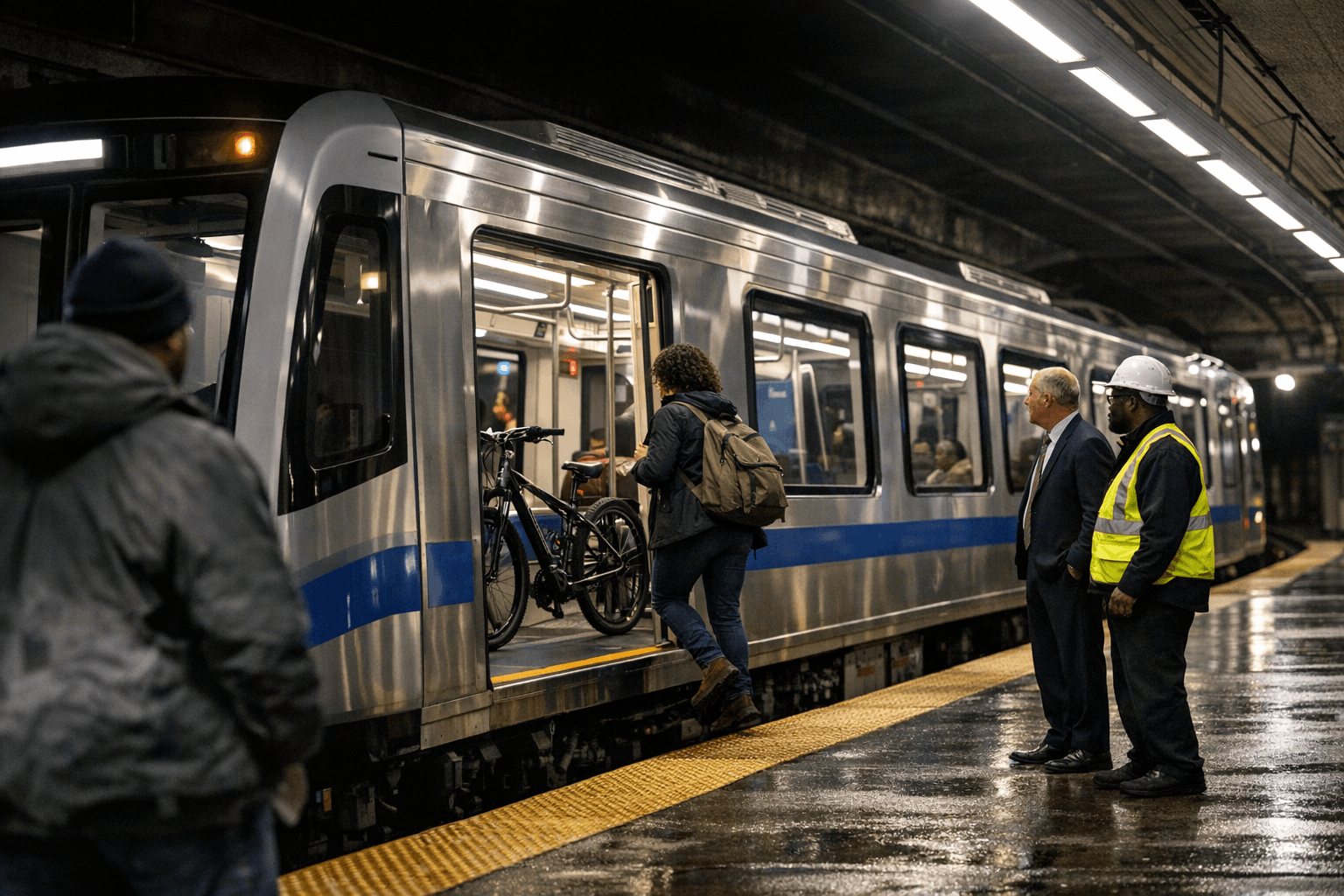
The Maryland Transit Administration on Wednesday unveiled its newest fleet of subway cars, presenting what officials described as a modernized design aimed at improving the rider experience across Baltimore. The railcars feature larger windows, additional space to store bicycles and brighter interior lighting, elements MTA leaders linked to improved safety, comfort and accessibility.
Officials framed the introduction of the new cars as an early phase in a longer modernization program. MTA officials said the new fleet is just the first step in modernizing the public transit system. The agency did not announce a delivery schedule for additional cars at the unveiling, but emphasized the fleet will be integrated into existing subway service to begin replacing older rolling stock.
Baltimore Mayor Brandon Scott participated in the announcement and tied the investment to a broader effort to reverse long-standing patterns of disinvestment in neighborhoods across the city. He said, "Today, we're working together to undo that legacy and countering that disinvestment by being just as intentional in the way that we invest in transit in our city. Expanding options — including by investing in free buses like the Charm City Circulator — in neighborhoods that have been without public transit for too long. Helping folks get to work, school, the grocery store and the doctors. And, we're also improving the quality of those services by upgrading the safety and efficiency of our transportation system."
For Baltimore residents, the changes aim to deliver tangible benefits: easier carriage of bikes for last-mile connections, brighter cars that may improve perceptions of safety, and a more comfortable commute. City leaders framed the fleet rollout as one component of expanding mobility options, particularly for neighborhoods that have experienced gaps in service.
The announcement also carries fiscal and practical implications for transit planning in Baltimore. Investing in newer railcars can reduce maintenance costs over time and support system reliability, factors that influence daily commutes and access to essential services. As implementation proceeds, riders and community groups will be watching for details on deployment timelines, service changes and how the upgrades integrate with bus routes including the Charm City Circulator.
The city and MTA presented the unveiling as a step toward a smoother, safer transit network that connects Baltimoreans to work, education, health care and commerce while addressing historic inequities in service.
Sources:
Know something we missed? Have a correction or additional information?
Submit a Tip