Bangladesh election date to be announced tonight, referendum follows
The Election Commission will announce the date for February parliamentary elections in a national broadcast at 6:00 p.m. local time, a decision that will shape the path of a fragile political transition. The announcement comes as the interim government prepares a referendum on the July Charter that would curtail executive power and alter judicial and electoral oversight, developments that matter for investor confidence and regional stability.

The Election Commission said it will announce the date of parliamentary elections scheduled for February in a national broadcast at 6:00 p.m. local time today, a move that crystallizes the next phase of Bangladesh's political reset following last year's upheaval. The announcement comes amid preparations for a national referendum on the so called July Charter, a state reform plan designed to reduce executive authority and strengthen judicial and electoral independence that is also expected to be held on the same day.
The political landscape that produced this moment remains unsettled. A student led uprising in 2024 toppled long serving Prime Minister Sheikh Hasina and ushered in an interim administration led by Nobel laureate Muhammad Yunus, which has governed since August. Former Prime Minister Khaleda Zia's Bangladesh Nationalist Party is widely seen as a frontrunner for the elections. The Jamaat e Islami party has been allowed to return to electoral politics after earlier restrictions were eased. The Awami League, led by Sheikh Hasina, remains barred from contesting and has warned of unrest if the ban is not lifted.
For markets and the broader economy the stakes are clear. Bangladesh has relied heavily on ready made garment exports and remittances to sustain high rates of growth over recent decades, and political uncertainty can weigh on foreign direct investment and export confidence. A credible electoral timetable and a transparent referendum could help restore investor trust, reduce the risk premium on sovereign funding and stabilize the currency. Conversely, sustained unrest or perceptions of an uneven playing field could prompt capital outflows, pressure the taka and complicate the central bank's task of managing inflation and reserves.
The July Charter itself would be a structural test of governance. Measures that genuinely strengthen judicial independence and electoral institutions could produce long term gains in governance, attract higher quality investment and improve policy credibility. However, reforms implemented without broad political buy in risk deepening polarization, especially while a major political force remains barred. International partners will be watching whether the referendum is conducted freely and whether the subsequent election meets standards of fairness.
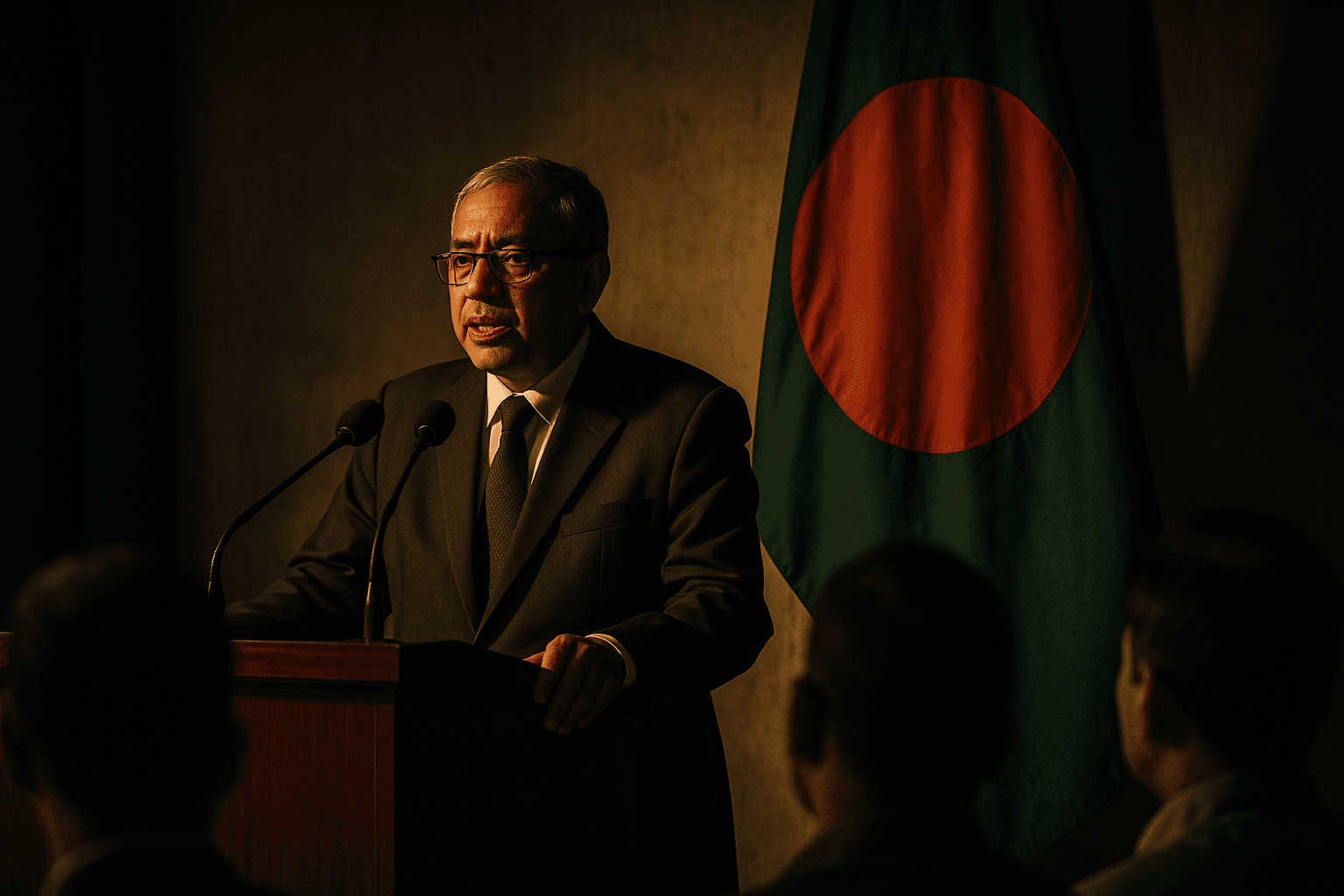
Operationally, the timing of the announcement will set the campaign calendar, nomination deadlines and administrative preparations by the Election Commission. It will also determine whether the referendum can be administered alongside electoral preparations without distracting from either exercise.
As Bangladesh moves toward a pivotal political moment, observers will track the announcement at 6:00 p.m. and the immediate market and diplomatic responses. What follows could shape the country’s political settlement and its economic trajectory for years to come.
Sources:
Know something we missed? Have a correction or additional information?
Submit a Tip