Germany Confronts Russia Over Rising Hybrid Attacks, Summons Ambassador
Germany summons Russia’s ambassador to protest a sharp rise in alleged coordinated disinformation, espionage and cyberattacks aimed at undermining domestic stability, a move that signals deeper European coordination on security. The confrontation matters to businesses and voters because sustained hybrid threats raise costs for critical infrastructure, increase political uncertainty, and could prompt tougher sanctions and market responses.
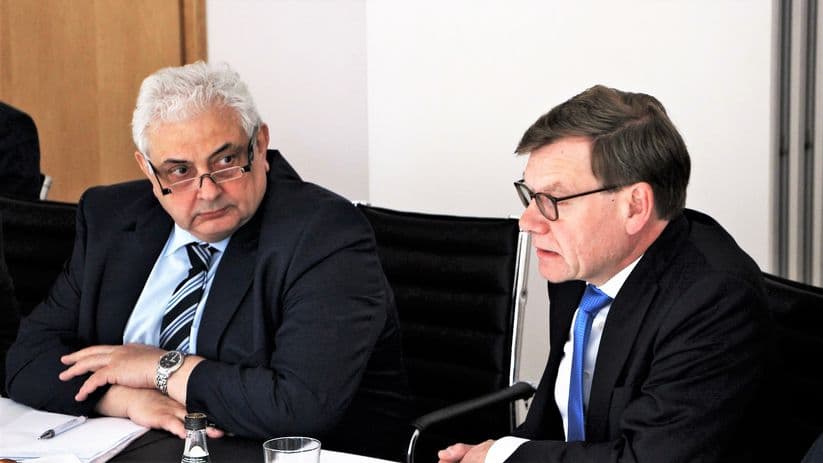
Germany’s Foreign Ministry summons Russia’s ambassador Sergey Nechayev on December 12, 2025 to protest what Berlin calls a marked uptick in coordinated hostile activity directed at Germany. Officials describe a portfolio of actions they label hybrid attacks, including disinformation operations, espionage, cyber intrusions and attempts at physical sabotage, and say the measures are aimed at eroding public confidence and interfering in political processes.
German authorities point to a string of incidents reported publicly in recent months and years, including fake videos alleging ballot rigging that security services say were released two days before Germany’s parliamentary election on February 23 and targeted high profile candidates. The government also publicly attributes a 2024 cyberattack on German air traffic control to Russian actors, an incident described in coverage as a major cyberattack that disrupted critical services and highlighted vulnerabilities in infrastructure. Reports name a propagandist network called Storm 1516, active since 2024 and accused of creating and amplifying disinformation to influence elections in Western countries.
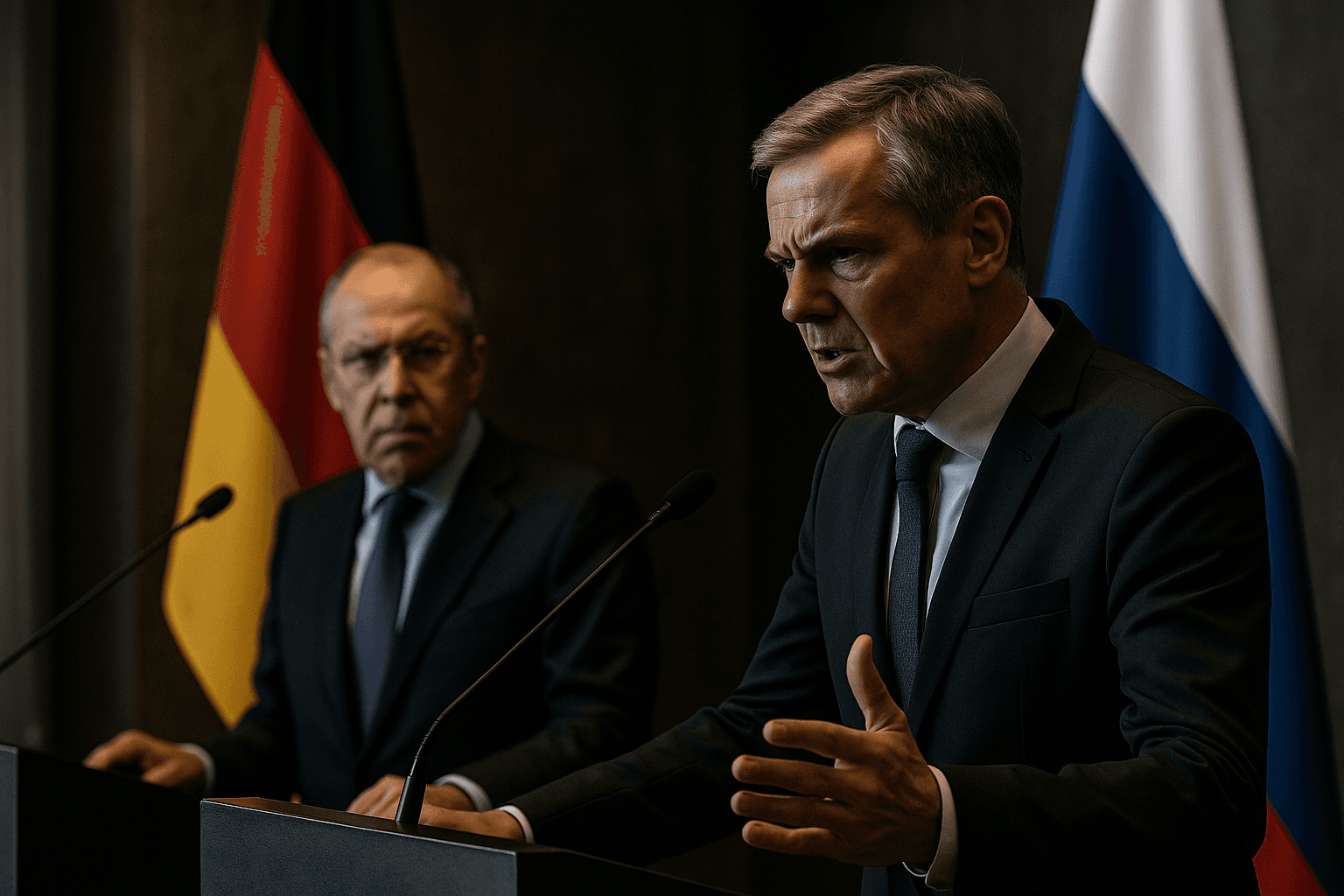
A Foreign Office spokesman frames the activities as a broader security threat, saying they are menacing “not only through its war of aggression against Ukraine but also here in Germany.” The spokesman adds that the government, working with European partners, “will take a series of countermeasures to show Russia a price for its hybrid actions.” Berlin’s summons is framed as both a diplomatic protest and a prelude to coordinated steps across the European Union designed to deter and retaliate against similar campaigns.
The German move underscores escalating concerns among EU capitals about the persistence and sophistication of what they describe as hybrid operations. For markets and businesses the implications are tangible. Cyberattacks on transportation, energy and communications raise the cost of doing business, force additional investment in defensive measures and can trigger sector specific insurance losses. Political interference that undermines trust in institutions can increase risk premia on assets perceived as exposed to geopolitical instability, and may weigh on investor confidence in European markets.
Longer term, analysts say, the pattern points to a sustained contest over information and infrastructure rather than isolated episodes. Germany, the European Union’s largest economy with annual output near four trillion euros, faces a strategic choice about how to harden critical systems and how far to push economic and diplomatic measures against Moscow. Potential responses under discussion by officials include stepped up intelligence sharing, criminal probes and targeted measures against networks found to be amplifying false narratives, as well as sanctions calibrated to impose economic and political costs.
Public reporting of the allegations cites German security authorities as the source and does not include publicly released technical forensic attribution in the accounts available so far, nor a response from the Russian embassy or the Russian government. Berlin’s summons today signals a more confrontational posture in European relations with Moscow and sets the stage for further tests of alliances, domestic resilience and the costs associated with defending open political systems.
Know something we missed? Have a correction or additional information?
Submit a Tip