Hong Kong Democratic Party Votes to Dissolve, Enter Liquidation
Members of Hong Kong’s longtime Democratic Party voted to disband and place the party into liquidation, a dramatic sign of how Beijing era political controls have narrowed space for organized dissent. The move matters beyond the city, because it reshapes Hong Kong’s civic landscape and raises questions about the future of pluralistic politics in a global financial and legal hub.
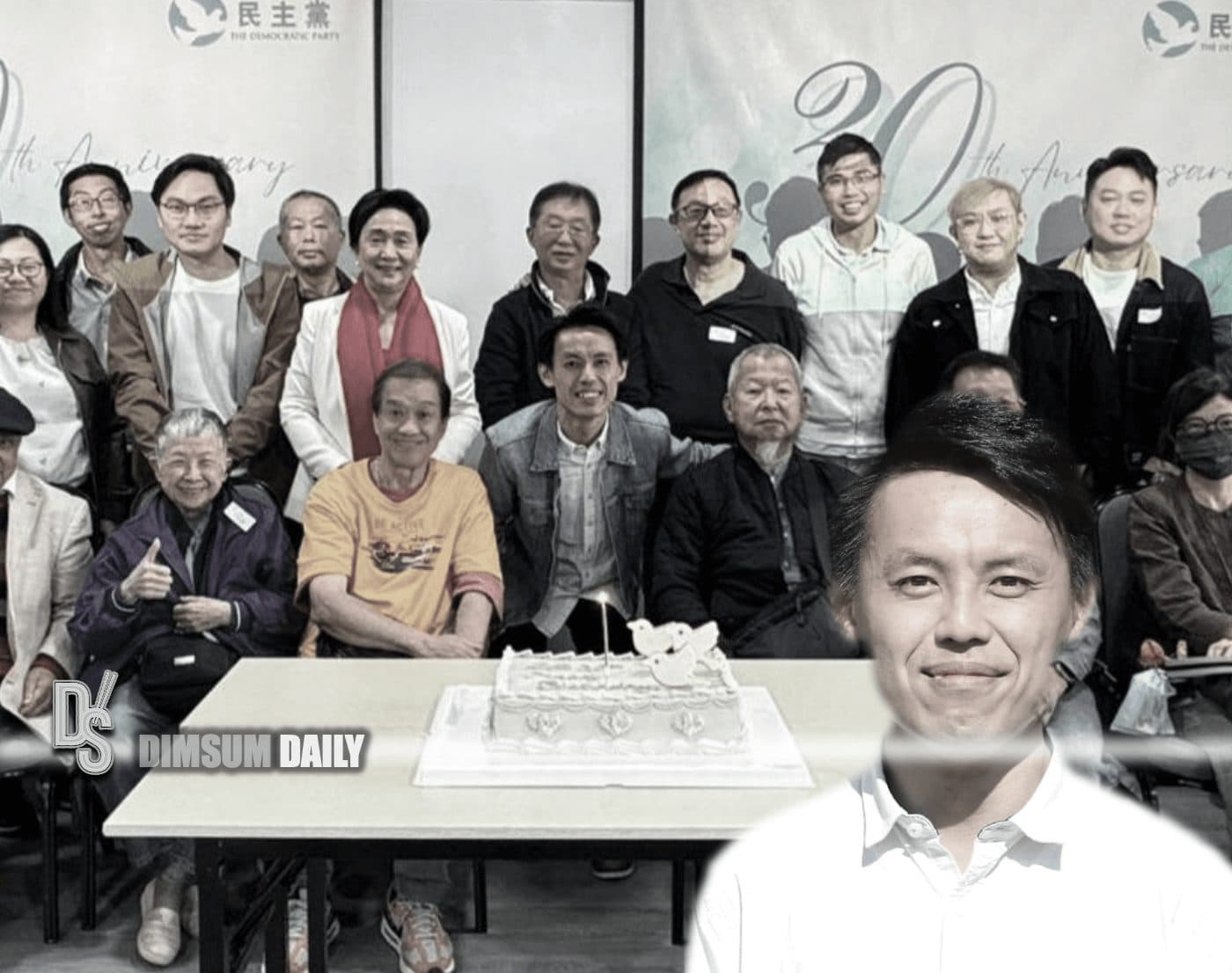
Members of Hong Kong’s Democratic Party voted on Sunday, December 14, 2025, to dissolve the organization and place it into liquidation, Democratic Party Chairman Lo Kin hee told reporters after an extraordinary general meeting. The party, once a central pillar of the city’s liberal camp, said little else about vote totals, turnout or the next administrative steps, leaving key procedural and legal questions unresolved.
The dissolution marks another milestone in a steady contraction of outwardly organized opposition in Hong Kong. The Democratic Party’s decision follows the June announcement by another pro democracy group, the League of Social Democrats, that it would disband citing immense political pressure. Observers see the departures as the outcome of policy and legal changes implemented since the mass protests of 2019, including the national security law that Beijing imposed and the sweeping 2021 overhaul of the electoral system that restricted candidacy to those deemed patriots.
For decades the Democratic Party served as a mainstream channel for liberal voices seeking incremental reform through elections and legislative work. Those institutional roles have been curtailed by the new political architecture. The 2021 electoral revision effectively removed the party from the kinds of public contests where it once competed, and the national security framework has made many of the tactics of civil society riskier. In that environment, party leaders and members have faced difficult choices about legal exposure, personal safety and the viability of continued public activity.
The group’s formal demise is both symbolic and practical. Symbolically, it signals to residents and to international observers that one of Hong Kong’s last prominent institutionalized opposition entities has concluded that survival within the current system is untenable. Practically, liquidation will trigger a set of legal processes under Hong Kong corporate and association law, including asset accounting and creditor notifications. The party did not provide details about how those steps will be handled or how remaining members will be supported.
The international implications are immediate. Hong Kong remains a major global financial center and a focal point in relations between China and Western democracies. The shrinking of organized political pluralism can complicate diplomatic engagement, prompt questions about human rights obligations, and influence how other governments calibrate sanctions, trade and legal cooperation. It also carries domestic ramifications, affecting how ordinary citizens perceive avenues for civic participation and dispute resolution within the city.
Important specifics about the vote remain undisclosed. The party did not release the numerical result or membership turnout. There were no reported criminal charges tied to the dissolution itself, and no official comment from Beijing or Hong Kong authorities was provided in the immediate aftermath. Former members and civil society actors now face a landscape in which public assembly and political organizing are subject to heightened legal scrutiny, and where decisions about dissent are increasingly made in private rather than on the electoral stage.
The Democratic Party’s end is likely to accelerate debates about the balance between stability and pluralism in Hong Kong, and to test how local institutions, international actors and the city’s civil society adjust to a markedly changed political normal.
Know something we missed? Have a correction or additional information?
Submit a Tip