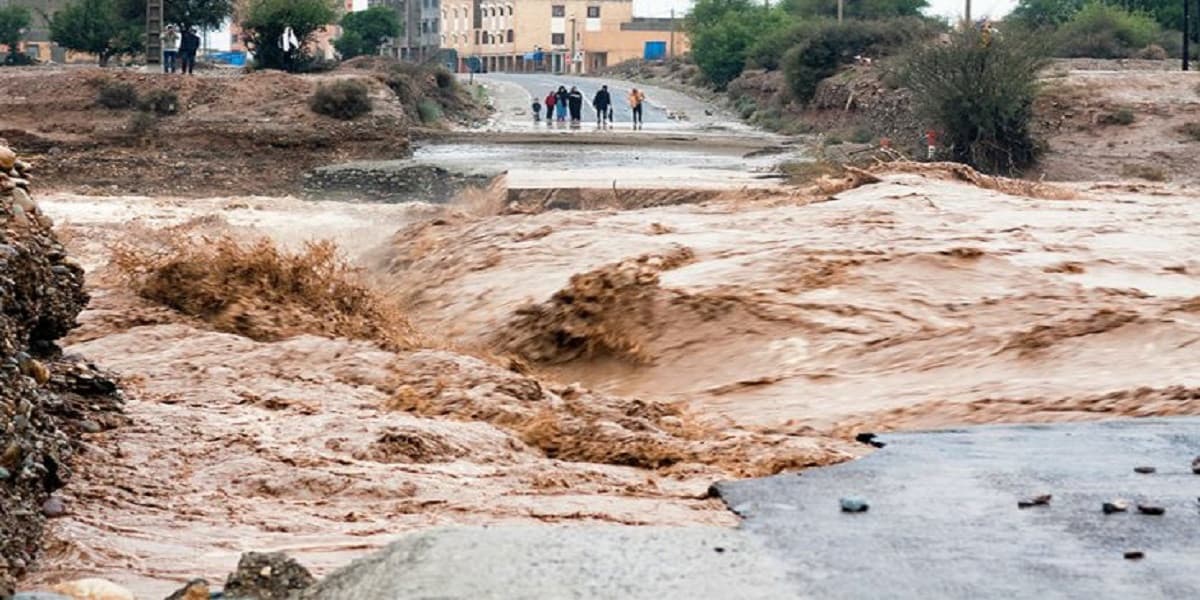
Russian Linked Drone Strikes Intensify, Neighbors Brace for Spillover
Fresh reports of drone and missile activity tied to Russian actors have multiplied across contested zones, raising alarm among governments and NATO partners over the risk of broader escalation. The incidents threaten civilian lives, critical infrastructure and regional stability just as winter deepens, forcing urgent diplomatic and military adjustments.
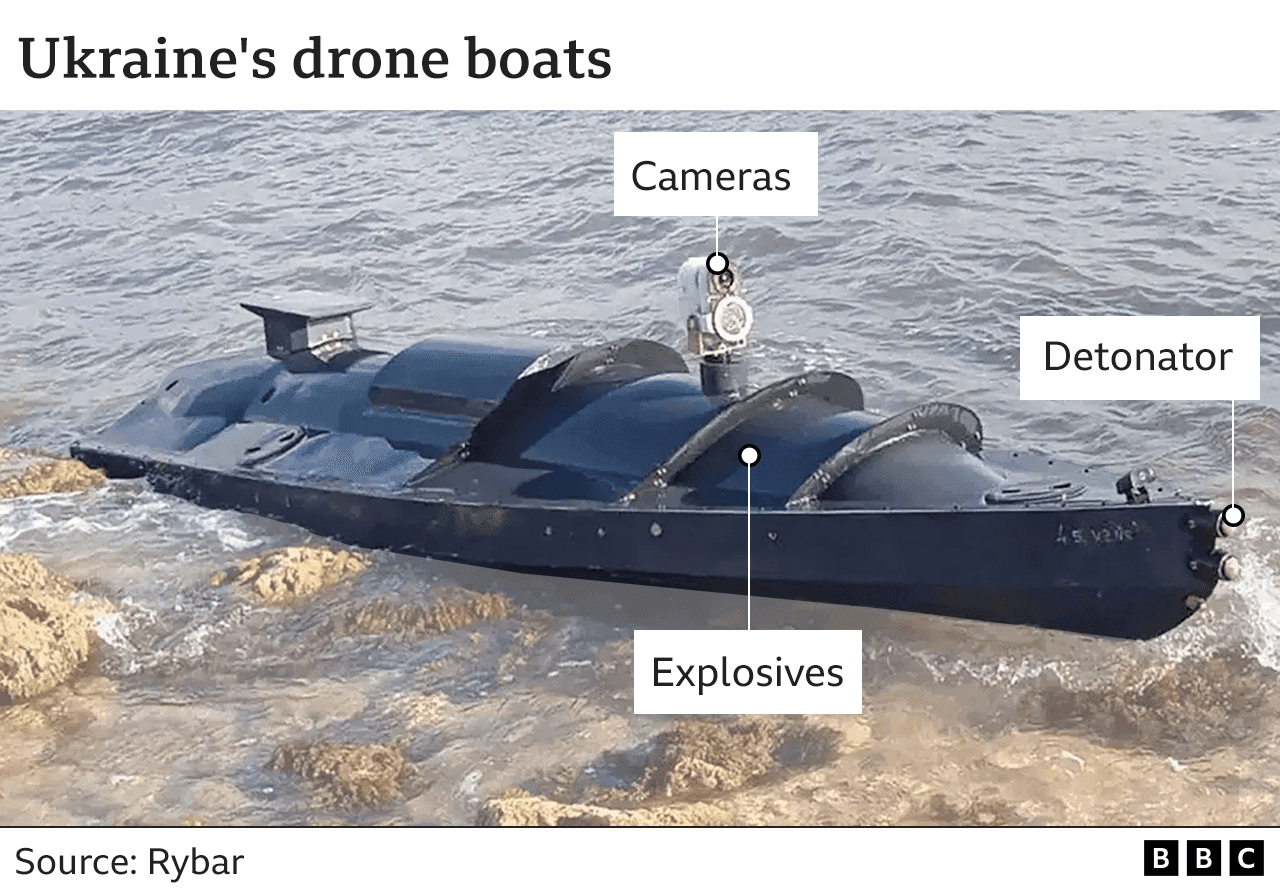
Over the past 24 hours a wave of drone and missile activity linked to Russian interests has been reported in multiple contested zones across Eastern Europe and the Black Sea region, prompting rapid diplomatic and security responses from neighboring states and Western capitals. The pattern of strikes and near misses has widened concern that limited kinetic operations could spill beyond localized fronts and draw third parties into the confrontation.
National authorities in several countries reported increased detections of small unmanned aerial vehicles and guided projectiles near border areas, maritime approaches and energy infrastructure. Air defenses were activated on multiple occasions, and local transport and utilities suffered temporary disruptions in some localities. Civilian casualties have been reported in isolated incidents, compounding an already fragile humanitarian picture as winter approaches.
The moves have triggered a series of consultations among regional governments and Western allies as officials weigh measures to bolster deterrence while avoiding inadvertent escalation. Militaries have repositioned air defense assets, increased maritime patrols in sensitive corridors and intensified intelligence sharing. Several capitals have summoned envoys for explanations and have reviewed legal avenues for establishing responsibility for attacks on their sovereign territory and critical infrastructure.
These developments underscore the challenges of attribution in modern conflict dynamics. The use of unmanned systems and proxy actors allows a level of plausible deniability, complicating political responses and the application of international law. Under the law of state responsibility, an operation will be attributable to a state when there is effective control or clear direction, but demonstrating that standard publicly and quickly enough to shape a timely response remains difficult.
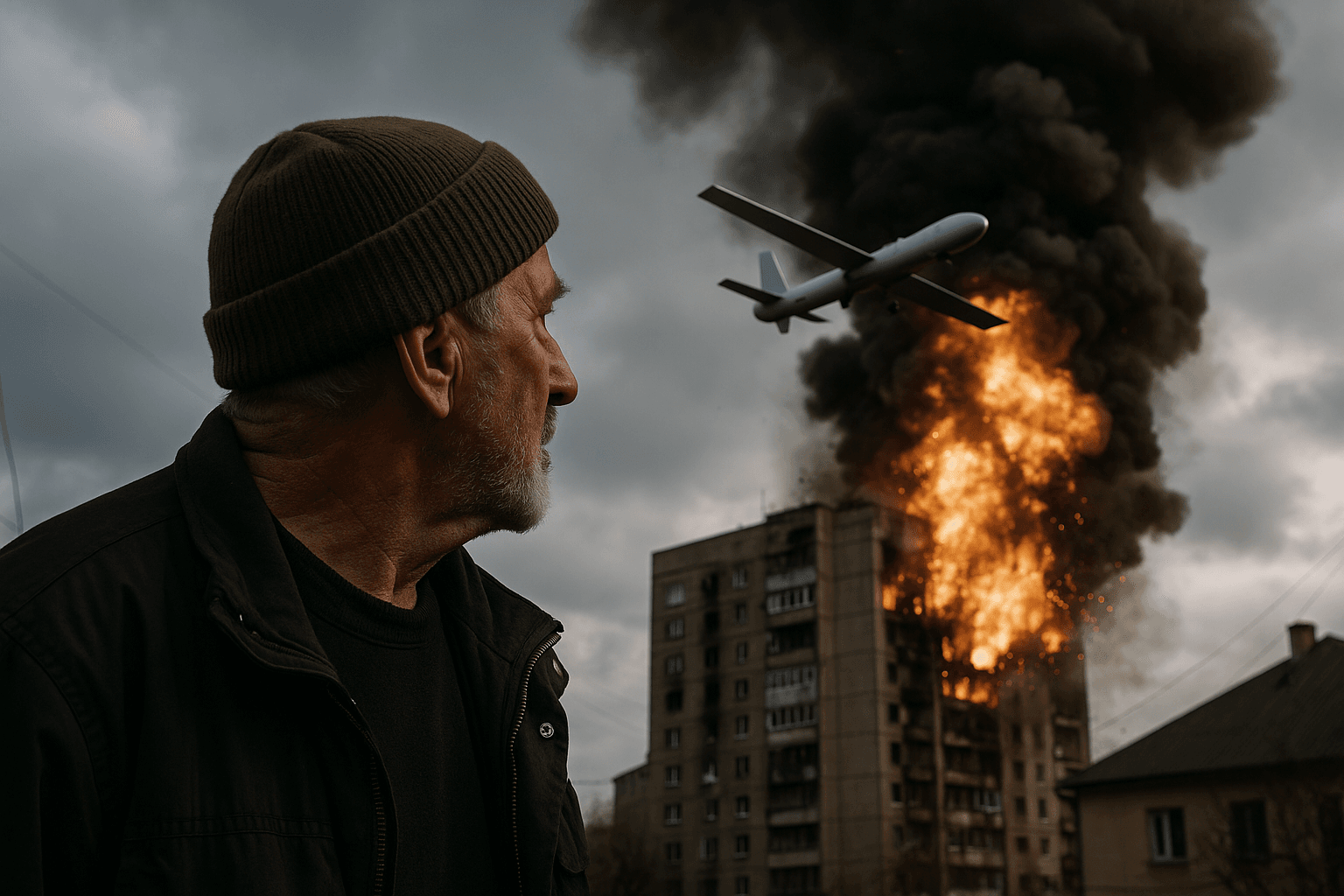
European Union and alliance partners face a dual imperative. They must deter further incidents and reassure vulnerable states without crossing thresholds that would precipitate wider war. Economic levers including targeted sanctions remain available, as do defensive measures such as air defense reinforcements and expanded training and materiel support for frontline states. Diplomatic tracks aimed at deconfliction and crisis communication are likewise being prioritized to prevent miscalculation.
The human consequences are immediate and practical. Disrupted power and transport networks heighten risks for civilians during winter months, and cross border displacement places strains on local services. Humanitarian agencies and municipal authorities are preparing contingency plans to maintain essential services and to assist populations affected by the strikes.
Analysts warn that the operational tempo of unmanned and long range strikes will likely remain a feature of the regional security environment. The capacity to escalate quickly with low signature attacks makes crisis management more complex and increases the premium on accurate attribution, robust deterrence and open lines of communication. For now, leaders in capitals from Kyiv to Brussels and Ankara are walking a narrow path between reinforcing defenses and preserving diplomatic space to reduce the likelihood of a broader confrontation.
Sources:
Know something we missed? Have a correction or additional information?
Submit a Tip