Venezuela and United States Clash Over Repatriation Flights, Tensions Rise
Venezuelan authorities on Dec. 12 said a U.S. deportation flight scheduled for Friday had been unilaterally suspended by the United States, a claim Washington rejected while asserting repatriation operations would continue. The public contradiction underlines growing diplomatic friction and raises immediate concerns about the fate of migrants caught between two governments.
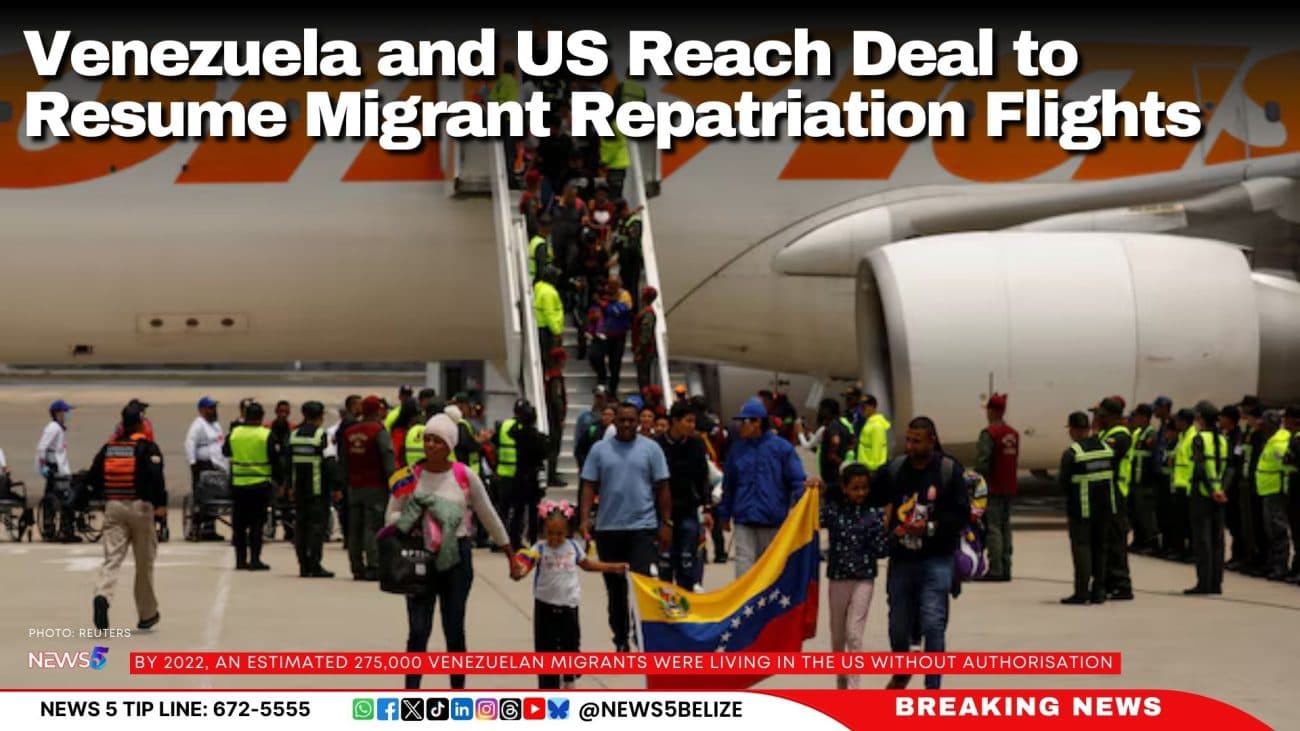
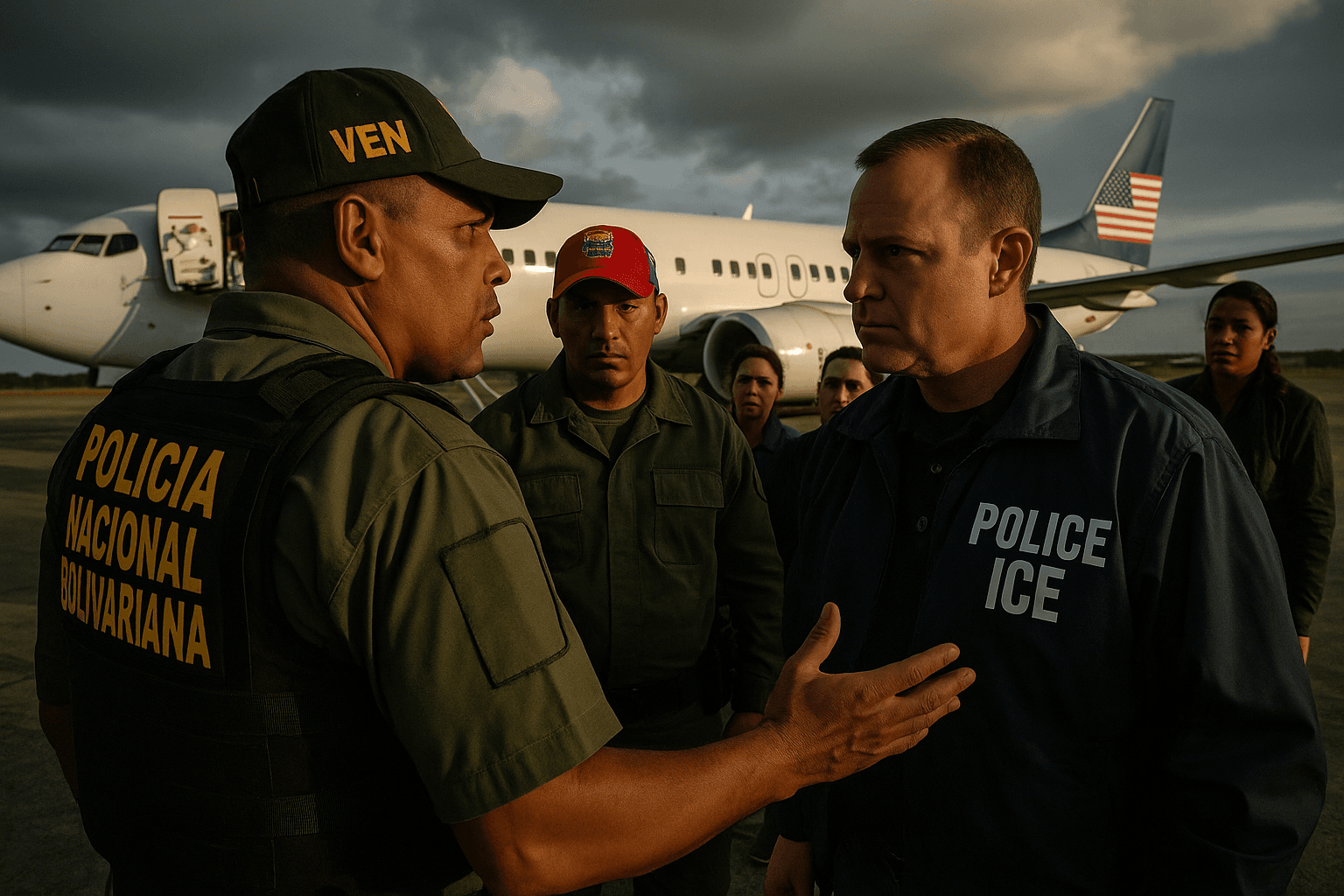
Venezuelan officials announced on Dec. 12 that a U.S. deportation flight planned for Friday had been unilaterally suspended by American authorities, a declaration that was swiftly disputed by the United States which insisted that repatriation flights would continue. The exchange marked the latest flashpoint in an increasingly fraught relationship between Caracas and Washington, and it thrust the practical and legal questions surrounding migrant returns into the spotlight.
The two governments offered opposing accounts without providing common ground, leaving migrants, their families and legal advocates unsure of what will happen to hundreds of people subject to removal proceedings. Caracas characterized the move as an example of ad hoc U.S. policy that disrupts agreed procedures for the return of Venezuelan nationals. Washington pushed back against that narrative, portraying repatriation as an ongoing administrative process and rejecting the claim that flights had been suspended.
The dispute comes amid a backdrop of strained bilateral ties, diplomatic rows and conflicting approaches to migration policy. For years millions of Venezuelans have left the country in search of work and safety, and the management of returns has proved politically sensitive for both governments. Deportation flights are often arranged through a mix of formal diplomatic channels and bureaucratic coordination, and any breakdown in that machinery can leave people in legal limbo.
Legal experts say states generally have an obligation under international law to accept their own nationals, and interruptions to repatriation can create humanitarian and procedural challenges. Migrants facing removal can end up detained for longer periods or released without clear options for safe return. Humanitarian agencies also warn that inconsistent logistics and public disputes can increase the risk of delays in providing critical information and services to those affected.
Regional governments and international organizations are likely to watch the serial exchanges closely. The International Organization for Migration and the U.N. refugee agency have in the past played roles in monitoring returns and offering logistical or humanitarian support. If official repatriation channels falter, nongovernmental groups and regional partners may see mounting pressure to intervene to prevent humanitarian harm.
Beyond the immediate operational consequences, the clash signals potential diplomatic ramifications. Caracas may seek to leverage the episode to press for concessions or greater recognition on other bilateral issues, while Washington may frame continued repatriations as a matter of immigration enforcement policy. Either trajectory risks further politicizing migration and complicating consular relations that are already fragile.
For migrants and their families, the public disagreement is a stark reminder that decisions made in government offices far away can have rapid and disruptive effects on ordinary lives. In the coming days diplomats from both capitals will likely engage in behind the scenes talks to resolve the conflicting claims. How they do so, and whether repatriation flights proceed as the United States says they will, will be a key measure of whether this episode is an operational glitch or a signal of deeper diplomatic deterioration.
Sources:
Know something we missed? Have a correction or additional information?
Submit a Tip