U.S. Forces Seized Military Components from Ship Bound for Iran
U.S. special operations personnel boarded a commercial vessel in the Indian Ocean on December 12, 2025, removing and reportedly destroying cargo described by officials as military related dual use components destined for Iran. The interdiction signals a more assertive U.S. posture at sea, with potential consequences for shipping costs, insurance premiums and tensions across key maritime routes.
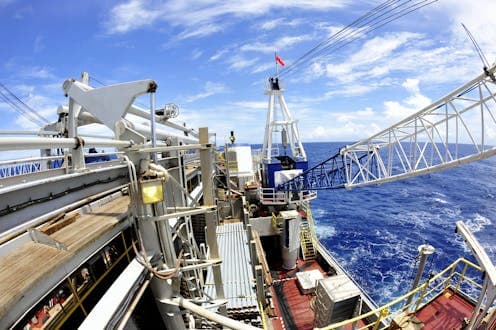
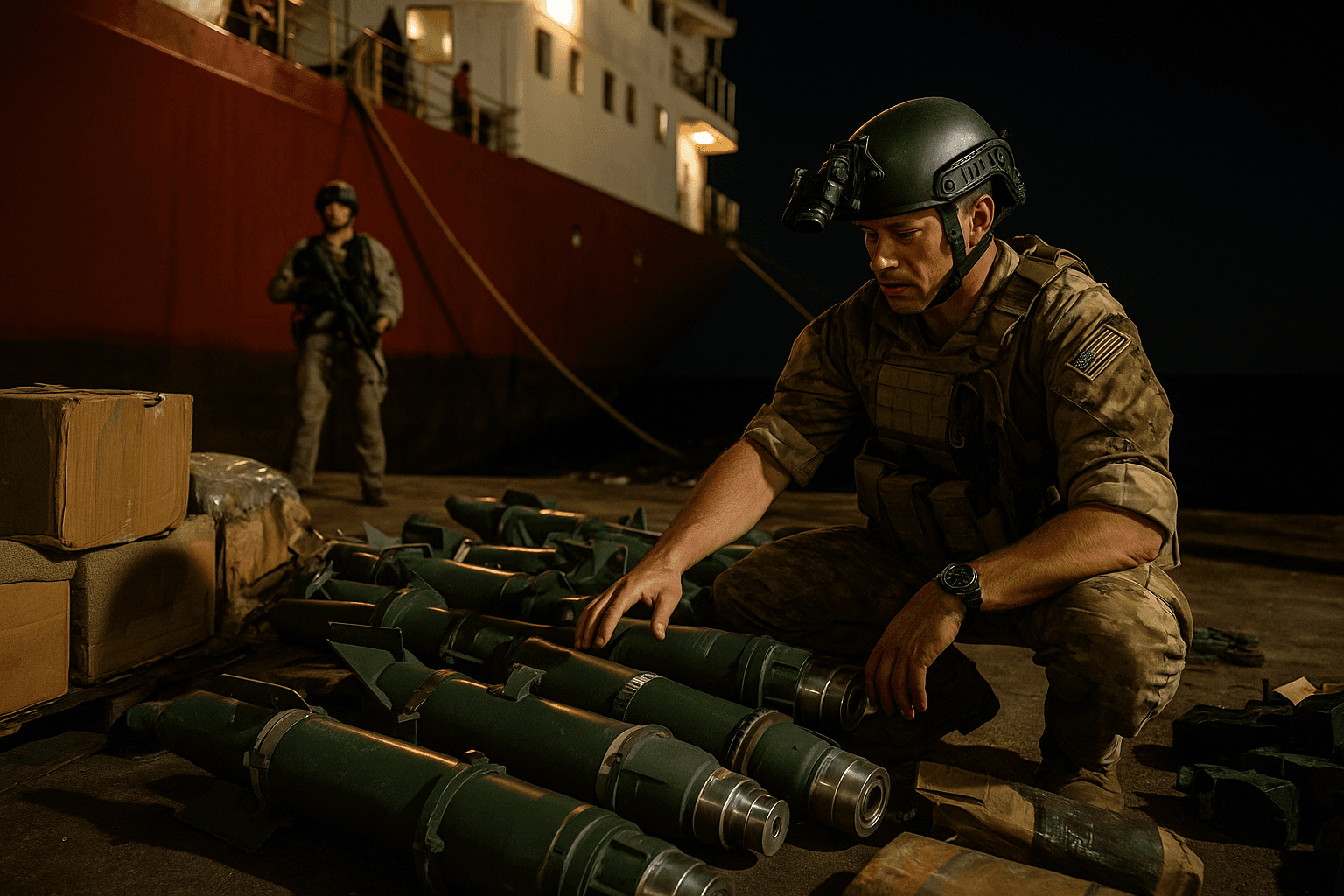
The Wall Street Journal, citing unnamed U.S. officials, reported that on December 12, 2025, United States special operations forces boarded a commercial vessel several hundred miles off the coast of Sri Lanka, removed cargo described as military related dual use components and destroyed the material before permitting the ship to continue toward Iran. Reuters and other outlets later corroborated elements of the account, though the vessel has not been publicly identified and no official inventory of seized items has been released.
U.S. officials, speaking on condition of anonymity to reporters, said the operation was supported by conventional U.S. forces and followed tracking of the shipment. Reporting states the ship was traveling from China to Iran. The officials characterized the removed material broadly as components that have both civilian and military applications and that could be repurposed for conventional weapons programs. Some accounts tied the components to Iran's missile program, though no photographs, manifests or independent technical confirmation have been published.
The operation was framed by U.S. officials as an effort to slow Tehran's efforts to rebuild parts of its missile arsenal after a 12 day conflict in June 2025 that, according to multiple outlets, heavily depleted Iranian ballistic missile capabilities. Analysts said the interdiction underscores a rising U.S. willingness to intercept suspect transfers on the high seas and to act preemptively when shipments are judged to pose an immediate proliferation risk.
The tactical seizure follows a series of maritime interdictions tied to Iran and its proxies in recent years. In January 2024, U.S. Central Command reportedly confiscated ballistic and cruise missile components off the coast of Somalia that were linked to transfers for Houthi forces. Earlier actions in 2020 and 2023 focused on tankers alleged to be violating sanctions, with U.S. authorities seizing oil cargos deemed to benefit the Islamic Revolutionary Guard Corps. Together, those precedents established operational and legal templates for maritime interception, though each episode also raised questions about evidence sharing and chain of custody.
Economic implications are immediate and measurable. Shipping industry analysts warn that heightened interdiction activity can elevate route risk premiums, push up insurance rates for ships transiting the western Indian Ocean and complicate logistics for firms reliant on just in time supply chains. Even modest increases in insurance costs and rerouting fees can translate into higher freight rates and wider price effects for traded goods moving between East Asia and the Middle East.
Significant information gaps remain. The identity of the vessel, its operator, and its flag state have not been disclosed. There has been no public Pentagon or State Department statement providing a full inventory of seized items or legal rationale. A social media post has claimed the raid recovered Iranian made cruise and ballistic missile components including propulsion and guidance systems, but that characterization is not corroborated in mainstream reporting.
Policy makers will face choices about transparency and escalation. Releasing more detailed evidence could strengthen international support for interdiction as a counter proliferation tool, but could also inflame tensions with China and Iran and complicate legal claims over jurisdiction and contraband. For now, the episode stands as a vivid example of how maritime operations are being used to enforce strategic objectives and shape the security environment in a contested region.
Sources:
Know something we missed? Have a correction or additional information?
Submit a Tip