U.S. Commandos Seize Military Components From China Bound Vessel
U.S. special operations personnel boarded a commercial ship in the Indian Ocean on December 12, 2025, seizing and destroying military related components destined for Iran, according to reporting by The Wall Street Journal and corroboration from Reuters and other outlets. The interdiction, carried out several hundred miles off Sri Lanka, underscores rising U.S. willingness to disrupt suspected transfers and could raise shipping costs, insurance premiums and geopolitical tensions across key maritime routes.
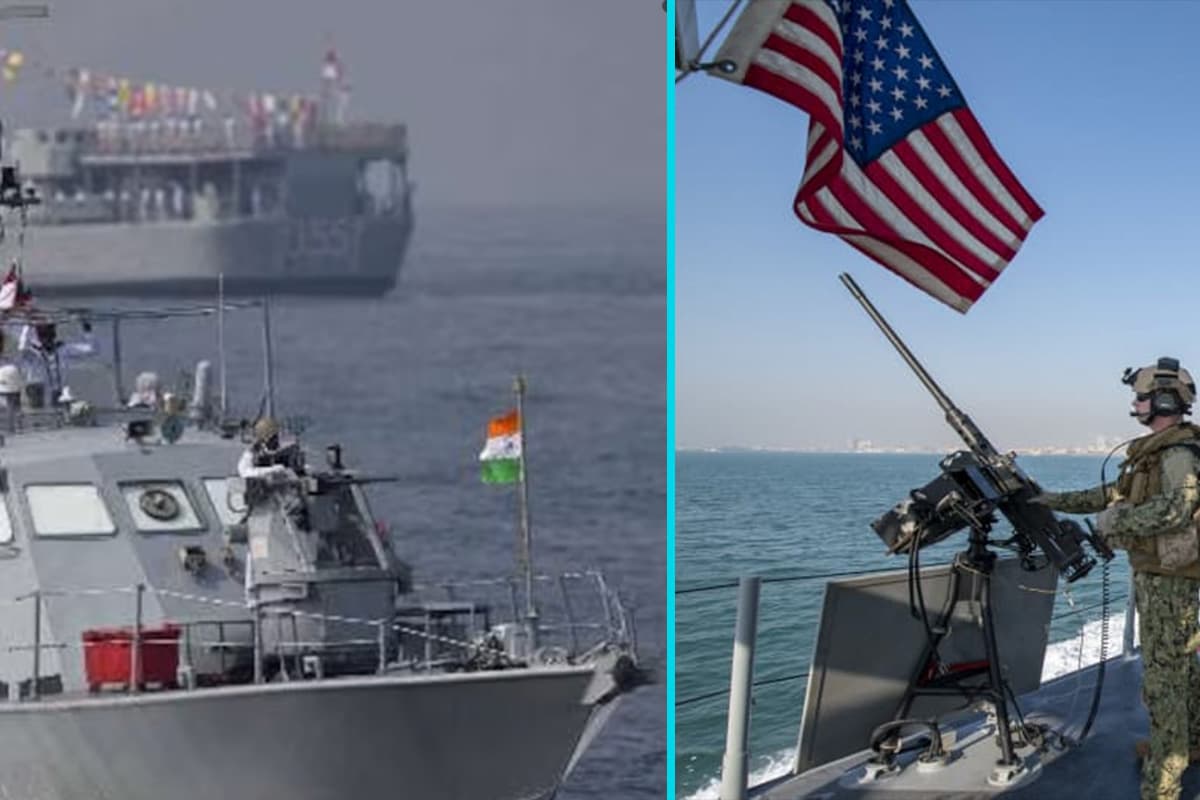
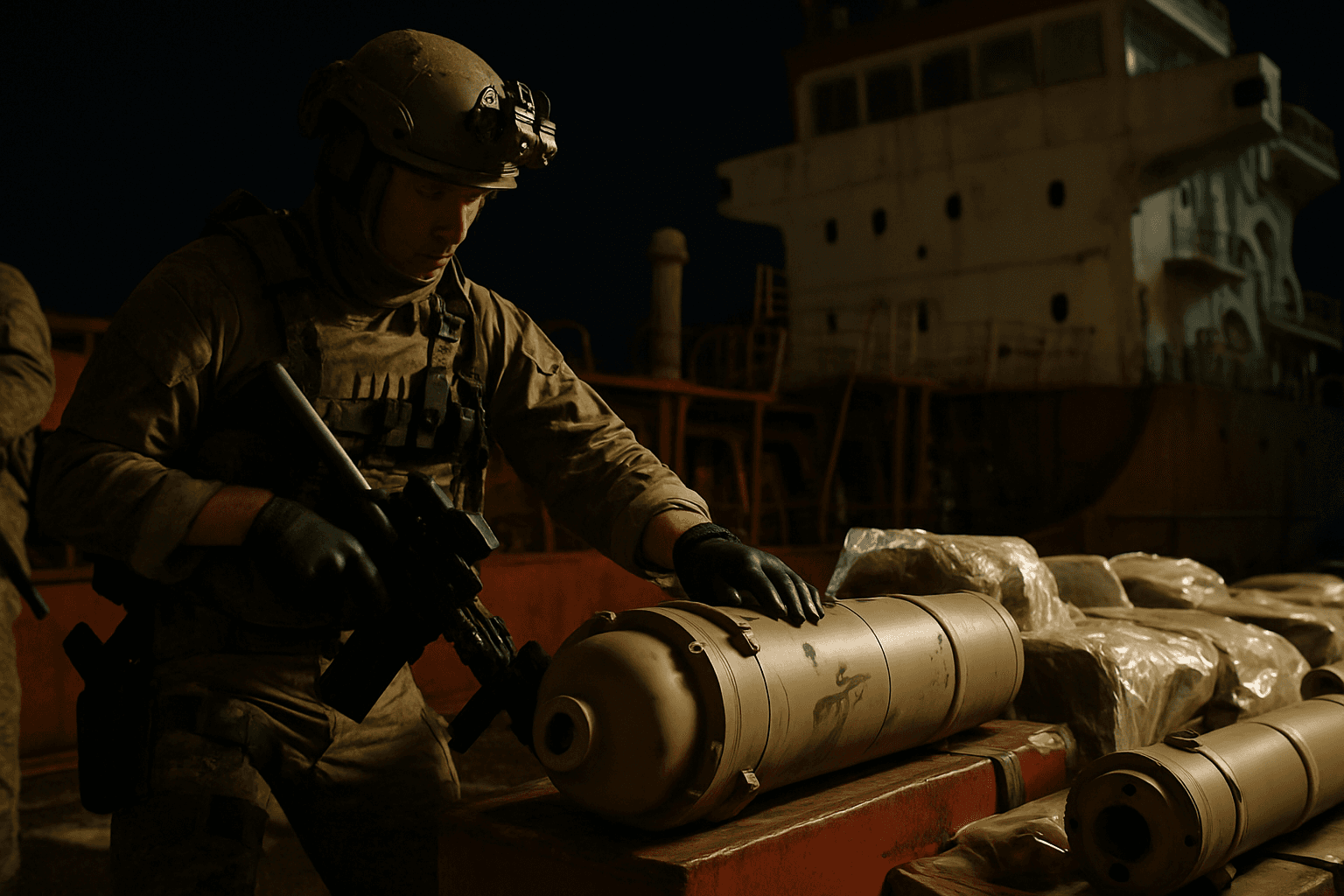
U.S. special operations personnel boarded a commercial vessel in the Indian Ocean on December 12, 2025, confiscated military related components that U.S. officials characterized as potentially useful for Iran’s conventional weapons, destroyed the seized shipment and then allowed the ship to continue on toward Iran, multiple news organizations reported. The Wall Street Journal first published the account, citing unnamed U.S. officials, and Reuters, Times of Israel, Baird Maritime and Iran International published corroborating accounts that traced the same sequence of events. Reporting placed the boarding several hundred miles off the coast of Sri Lanka.
Details offered publicly remain limited. Reporters quoted U.S. officials who described the cargo only as military related and potentially useful for conventional weaponry. None of the accounts publicly identified the vessel by name, its flag state, or technical specifics such as part models, quantities or origin points within China. The method and exact location of the destruction were not disclosed in the reporting. No U.S. department or named official was cited on the record in the accounts reviewed, and no immediate diplomatic responses from China, Iran, Sri Lanka or other governments were reported.
Analysts said the operation represents a rare at sea interdiction aimed at blocking a suspected military supply chain. Such actions carry legal and diplomatic complexity because they take place on the high seas and involve commercial shipping lanes that carry a wide array of civilian and dual use goods. The public account that U.S. forces had tracked the shipment before boarding suggests a coordinated intelligence effort, but the absence of on the record confirmation limits assessment of the legal authority invoked.
The interdiction comes amid intensifying scrutiny of shipments of dual use technologies and components that can be repurposed for military ends. For markets tied to shipping and trade, the operation could have modest but immediate effects. Shipping companies and insurers routinely price in regional security risks. An elevated perception of interdiction risk on routes linking East Asia to the Middle East would likely raise war risk premiums and could increase costs for freight operators calling at or transiting near the northern Indian Ocean and the approaches to the Persian Gulf. Those costs typically filter through to exporters, buyers and ultimately consumers, particularly for time sensitive or security sensitive cargoes.
At a policy level the action highlights Washington’s readiness to interdict suspected military shipments even when such moves risk friction with China and coastal states in the Indian Ocean region. It also raises questions for future enforcement: how will the U.S. balance maritime interdictions with transparency about legal grounds, and how will shipping registries and insurers respond to protect crews and assets while complying with international law.
Longer term, the episode is consistent with trends toward tighter controls on dual use trade, greater maritime enforcement activity and more complex logistics for states seeking to evade sanctions or export controls. The limited public record on the incident leaves key questions open for follow up, including the identity of the vessel, the technical nature of the cargo and whether Beijing will lodge a diplomatic protest.
Sources:
Know something we missed? Have a correction or additional information?
Submit a Tip