Mass Russian Aerial Assault Cripples Power and Water in Odesa
A large overnight Russian missile and drone strike on December 13 into December 14, 2025 severely damaged energy infrastructure in southern Ukraine, leaving more than one million households without electricity and disrupting water supplies in Odesa and surrounding regions. The scale of the attack and its focus on civilian utilities underscore wider humanitarian and diplomatic consequences as officials work to assess damage and restore basic services.
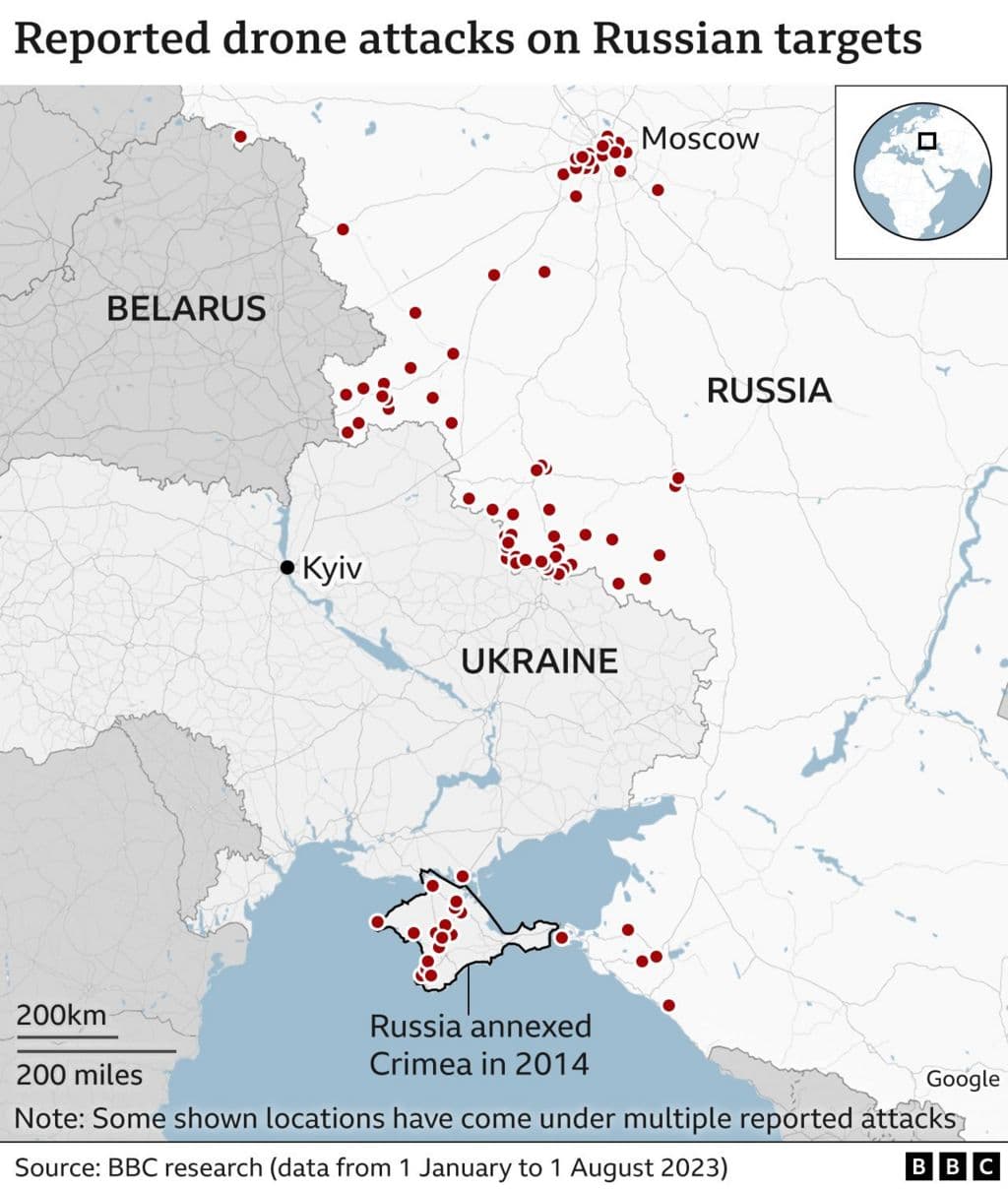
On the night of December 13 into December 14, 2025, a massive Russian aerial assault struck Ukraine’s southern energy network, Ukrainian leaders said, unleashing what President Volodymyr Zelenskyy described as an attack involving more than 450 drones and about 30 missiles. The bombardment caused widespread outages across the country, with the Odesa region, the city of Odesa, Mykolaiv and the Ukrainian controlled part of Kherson among the hardest hit.
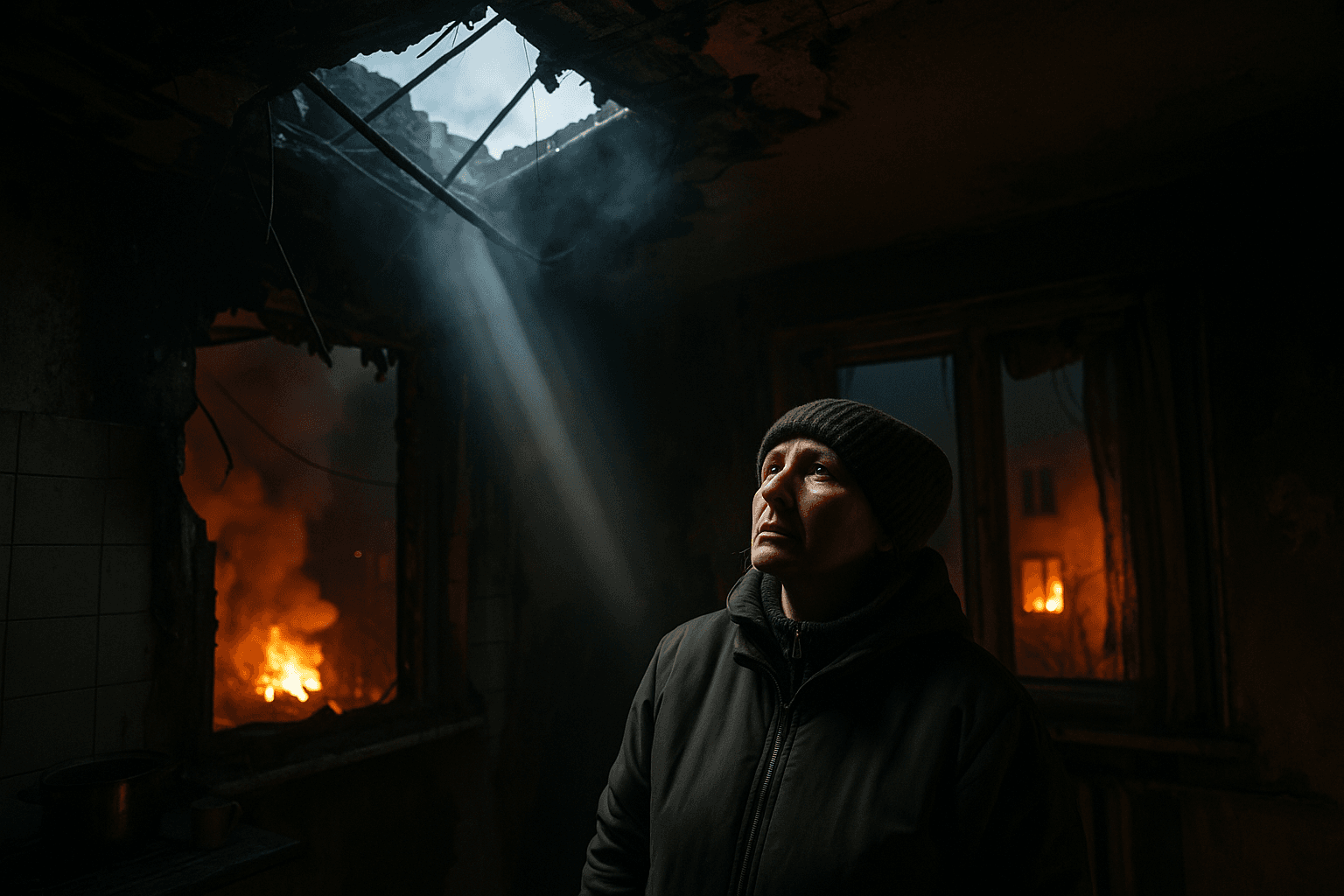
Ukraine’s interior minister Ihor Klymenko reported that more than one million households across Ukraine were left without electricity, and that five people had been wounded in the strikes. Regional figures indicate that two people were injured in the Odesa region specifically. Visual reporting has shown damaged apartment buildings in Odesa and residents inspecting blast sites as daylight revealed the extent of the destruction.
Ukraine’s national power grid operator said a significant number of households in Odesa and Mykolaiv were without power and that the Ukrainian controlled part of Kherson experienced a total blackout. Local officials reported interruptions to water supplies in parts of Odesa, prompting residents to queue for drinking water in the hours after the attack. One report cited damage to more than a dozen civilian facilities nationwide, signalling the broader toll on infrastructure beyond generation and transmission assets.
Moscow’s defence ministry framed the strikes as targeting Ukrainian energy and military industrial facilities. Ukrainian officials and independent observers will need to reconcile those claims with assessments of the locations damaged and the civilian consequences of losing electricity and running water as winter deepens. Attacks that damage power and water systems raise acute humanitarian risks for vulnerable populations and prompt scrutiny under international humanitarian law.
The assault comes against a backdrop of a long running campaign by Moscow to degrade Ukrainian energy infrastructure since the 2022 invasion, a strategy that has repeatedly produced rolling blackouts and strains on civilian life. Analysts say the scale and intensity of the December barrage reflect both the seasonal vulnerability of critical services and an escalation in long range aerial tactics that combine large numbers of lower cost drones with missile strikes.
Diplomatic ripples were apparent as well. The strikes occurred on the eve of planned talks in Berlin where United States special envoy Steve Witkoff and Jared Kushner were due to meet President Zelenskyy and senior European leaders, adding urgency to assessments of Ukraine’s resilience and its immediate needs for repair equipment and spare parts.
Ukrainian authorities said comprehensive, site by site damage assessments remain under way and that exact estimates for restoration of power and water services are not yet available. Independent verification of precise targets and the balance between military and civilian damage will be essential for international agencies and aid groups preparing relief and for legal and diplomatic responses in the weeks ahead.
Sources:
Know something we missed? Have a correction or additional information?
Submit a Tip