BBC seeks dismissal of Trump’s $10 billion defamation and trade-suit
BBC moves to dismiss a $10 billion suit by President Trump over a Jan. 6 edit, arguing lack of U.S. jurisdiction and failure to plead malice.
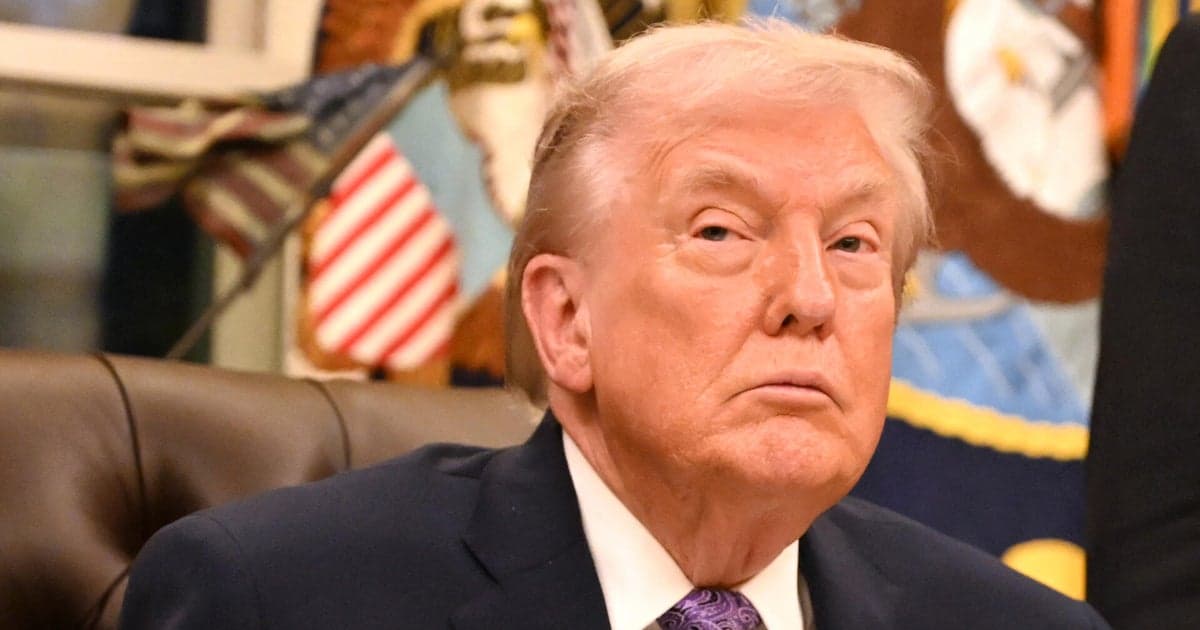
The British Broadcasting Corporation asked a federal court in Miami on Monday to dismiss President Donald J. Trump’s $10 billion lawsuit over an edited clip used in a Panorama documentary about Jan. 6, 2021. Court papers filed Jan. 13 say the BBC will submit a formal motion to dismiss on March 17, 2026 and have asked the court to stay merits discovery while that motion is pending.
Trump’s complaint, filed in December 2025, names the BBC and affiliated companies and seeks at least $5 billion for defamation plus $5 billion under Florida’s Deceptive and Unfair Trade Practices Act. The filing seeks to tie an alleged editorial splice—omitting a segment in which Trump called for peaceful protest while including language such as “fight like hell”—to reputational and professional injury. Some media outlets reported larger dollar figures after currency conversions, but the U.S. filings specify $5 billion per count.
The BBC’s filing mounts a two-pronged defense: procedural and substantive. On jurisdiction, the broadcaster argues the Miami court lacks personal jurisdiction because the Panorama segment was not created, produced or aired in Florida. The corporation disputes that the programme was available in the United States via BritBox and says it was neither broadcast nor targeted to Florida audiences. On substance, the BBC contends that the complaint fails to plausibly allege actual malice, a constitutional requirement for defamation suits involving public figures, and that it does not plead cognizable actual damages beyond vague references to harm to Trump’s “professional and occupational interests.”
The broadcaster’s papers also point to later developments that, they argue, undermine any claim of reputational harm. Filings note Trump was re-elected after the programme aired in Britain and that he carried Florida by a 13-point margin, and observe that the programme aired after federal indictment proceedings related to efforts to overturn the 2020 election. BBC attorney Charles Tobin argued in filings that such context makes reputation-related injury implausible. The BBC has previously apologized for the editing error, a controversy that precipitated the resignations of director general Tim Davie and top news executive Deborah Turness. BBC chairman Samir Shah sent Trump a letter of apology. A BBC spokesperson said, "As we have made clear previously, we will be defending this case. We are not going to make further comment on ongoing legal proceedings."
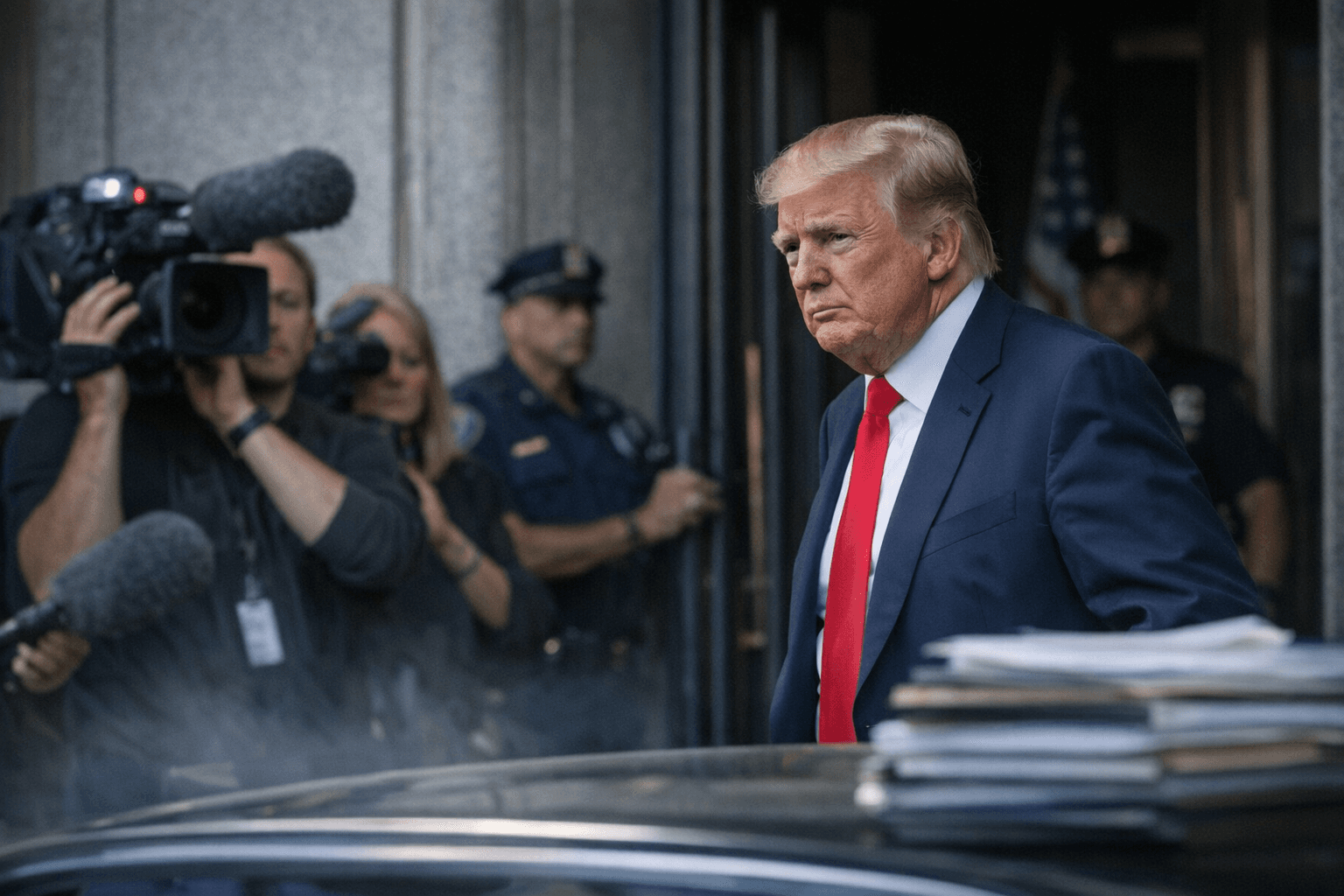
The broadcaster’s procedural request to stay discovery centers on cost and burden. The BBC warned that unbounded discovery would require production of internal communications and other materials that it says would be unnecessary if the court disposes of jurisdictional or pleading defects at the outset.
Beyond the immediate contest over jurisdiction and pleading standards, the case raises broader questions about cross-border litigation against global media organizations and the reach of state consumer-protection laws in defamation disputes. If the Miami court accepts a broad reading of jurisdiction, it could lower barriers for litigants to sue foreign outlets in U.S. forums and expand discovery access to internal editorial records. Conversely, a dismissal on jurisdictional or First Amendment grounds would reinforce protections for international newsrooms and limit the costs of cross-border litigation.
The case remains active in U.S. District Court for the Southern District of Florida as parties prepare for the March 17 motion filing and the court’s decision on whether to permit discovery to proceed.
Know something we missed? Have a correction or additional information?
Submit a Tip