Belarus Frees Nobel Laureate Bialiatski, U.S. Lifts Potash Sanctions
Belarus on December 13 pardoned and released 123 prisoners including Nobel laureate Ales Bialiatski and opposition leader Maria Kalesnikava, following two days of talks between President Alexander Lukashenko and U.S. special envoy John Coale. Washington simultaneously announced it would lift sanctions on Belarus’s vital potash sector, a reciprocal arrangement that could reshape regional diplomacy and human rights advocacy.
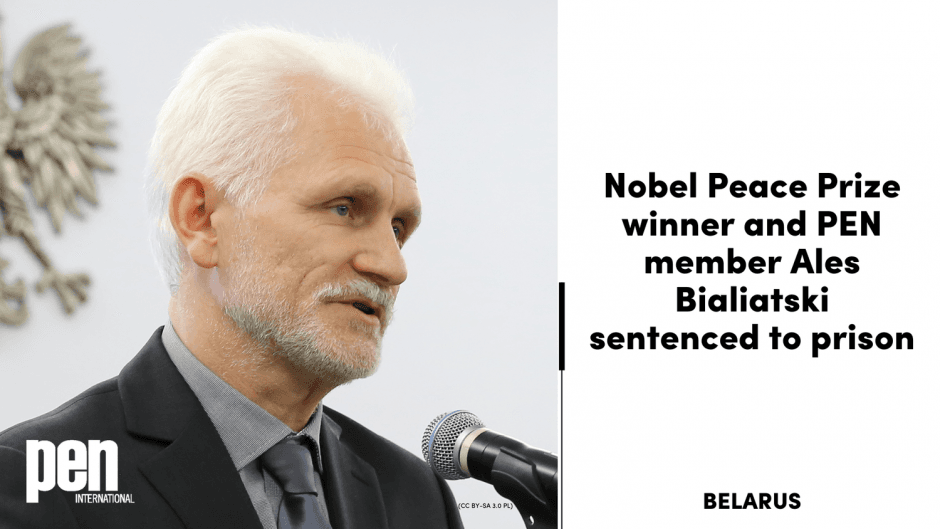
President Alexander Lukashenko ordered the pardon and release of 123 prisoners on December 13, a move announced by state media and confirmed by rights groups, after two days of talks in Minsk with U.S. special presidential envoy John Coale. Among those released were Ales Bialiatski, the 2022 Nobel Peace Prize laureate who had been serving a 10 year sentence imposed in 2023, and Maria Kalesnikava, a leading figure of the 2020 opposition movement whose name appears in international reporting with variant spellings.
The releases coincided with a U.S. decision to lift sanctions on Belarus’s potash industry, a key export sector that has driven substantial foreign earnings for Minsk. U.S. officials presented the sanctions relief as a counterpart to the prisoner pardons following the negotiations led by Coale. Belta quoted Lukashenko saying the two countries were "constantly talking to each other" and that ties were taking "baby steps to more confident steps" as dialogue increased.
Bialiatski, whose conviction had been widely denounced by international observers as politically motivated, travelled to Lithuania after his release and was seen at the U.S. Embassy in Vilnius. His wife, Natalia Pinchuk, told AFP he was "travelling to Lithuania" and "feeling well." The Norwegian Nobel Committee said it felt "profound relief and heartfelt joy" at his release and reiterated calls for the freedom of all political prisoners.
Human-rights monitors and independent groups reported a number of other prominent figures among the pardoned, including opposition lawyer and politician Maxim Znak and former presidential challenger Viktar Babaryka. Several sources, including an adviser to exiled opposition leader Sviatlana Tsikhanouskaya, indicated that many of those freed were transported to Ukraine. Viasna, the rights group closely associated with Bialiatski, initially reported that some imprisoned advocates had been released but later issued clarifications where names were disputed. The status of Valiantsin Stefanovic remains contested; Viasna revised an early listing and Bialiatski told the Associated Press that Stefanovic had not been freed at the time of his remarks.

The simultaneous nature of the releases and sanctions relief highlights the transactional character of the agreement and raises questions about broader diplomatic and legal consequences. Belarus’s potash exports are globally significant, and Washington’s move to lift measures could alter supply dynamics and reduce Minsk’s economic isolation. Western governments and rights organizations will weigh whether the goodwill generated by the pardons suffices given ongoing concerns about rule of law and political repression in Belarus.
For Belarus, the episode offers an opportunity to reset ties with Washington while retaining close relations with Moscow. For the United States and its allies, the deal presents a test of how to balance strategic engagement with sustained pressure for democratic reforms. Human-rights advocates say the releases are welcome but argue that true progress will require transparent legal reforms and the unconditional release of all those detained for political reasons.
Know something we missed? Have a correction or additional information?
Submit a Tip