Bessent to Push Major Overhaul of US Financial Oversight Council
Treasury Secretary Scott Bessent is set to recommend a significant reorientation of the Financial Stability Oversight Council toward a looser, pro growth approach, according to CNBC and Reuters. The shift could reshape how systemic risk is assessed in the United States and send ripples through global markets and foreign regulators watching Washington closely.
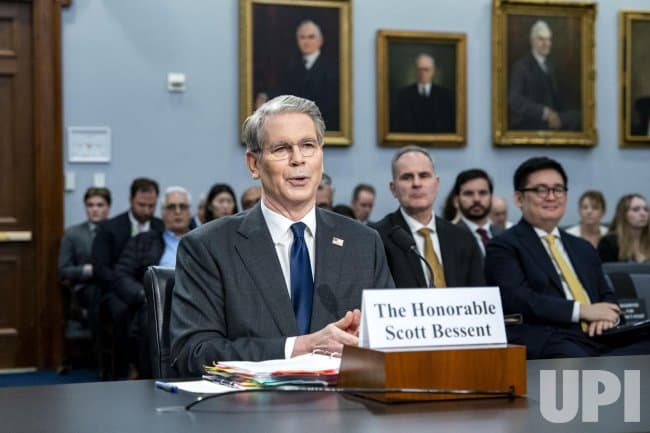
Treasury Secretary Scott Bessent is preparing to recommend a substantial restructuring of the Financial Stability Oversight Council, CNBC reported on December 11 and Reuters carried a complementary item the same day. According to CNBC, Bessent will deliver a letter to Council members urging a change in orientation away from tightening regulation and toward evaluating whether existing rules impose undue burdens on economic growth.
CNBC reported that the letter will state that "the Council will work with and support member agencies in considering whether aspects of the U.S. financial regulatory framework impose undue burdens and negatively impact economic growth, thereby undermining financial stability." The CNBC story, by Steve Liesman and Jeff Cox, described the proposed approach as pushing FSOC toward a freer posture on oversight. Reuters ran an independent piece noting the expected recommendation but said it could not immediately confirm the full CNBC account.
The Treasury Department’s public materials show Secretary Bessent will preside over an FSOC meeting on Thursday, December 11, that includes an executive session and an open session. The preliminary agenda posted by the department lists updates on the Council’s workstreams, interpretive guidance on nonbank financial company determinations, and an update on the Council’s analytic framework. The Treasury notes that portions of the meeting will be closed to protect supervisory and examination information.
FSOC was created after the 2008 financial collapse to coordinate federal regulators and monitor systemic threats across banks, nonbank institutions and markets. Chaired by the Treasury secretary, the Council brings together 15 member agencies. Historically the body has tended to favor measures aimed at tightening regulation where risks are identified. The policy shift advocated by Bessent, if adopted, would mark a notable reversal, centering the Council’s role on reconsidering regulatory burdens that may be counterproductive to growth.

The proposed reorientation raises immediate questions for domestic policy and for international financial oversight. A looser regulatory tilt could ease compliance costs for some institutions and stimulate lending and investment in the near term. At the same time there is potential for increased systemic risk if supervisory restraint allows vulnerabilities to build, particularly in cross border banking, markets for complex instruments and the nonbank sector that has grown since the last crisis.
Foreign regulators and international financial institutions will watch developments in Washington closely. FSOC guidance can influence regulatory debates in other jurisdictions, and global markets are sensitive to shifts in U.S. oversight that affect capital flows and perceived stability. The decision also carries legal and governance implications for how the Council balances its dual mandates of safeguarding the financial system and supporting economic growth.
At the time of publication the Treasury had not posted the full letter cited by CNBC and the department had not provided comment in the reports. Journalists and market participants will be seeking the final text of Secretary Bessent’s letter and any formal guidance or rulemaking that may emerge from the meeting, as the outcome could reshape both domestic supervisory priorities and the international conversation on financial regulation.
Know something we missed? Have a correction or additional information?
Submit a Tip