Bob Weir, Grateful Dead Founder and Rhythm Guitarist, Dies at 78
Bob Weir, a founding voice of the Grateful Dead whose idiosyncratic rhythm guitar helped define American rock improvisation, has died at 78, his family announced. The news closes a chapter on a musician whose work shaped a countercultural movement, live-music economics and a devoted global community.
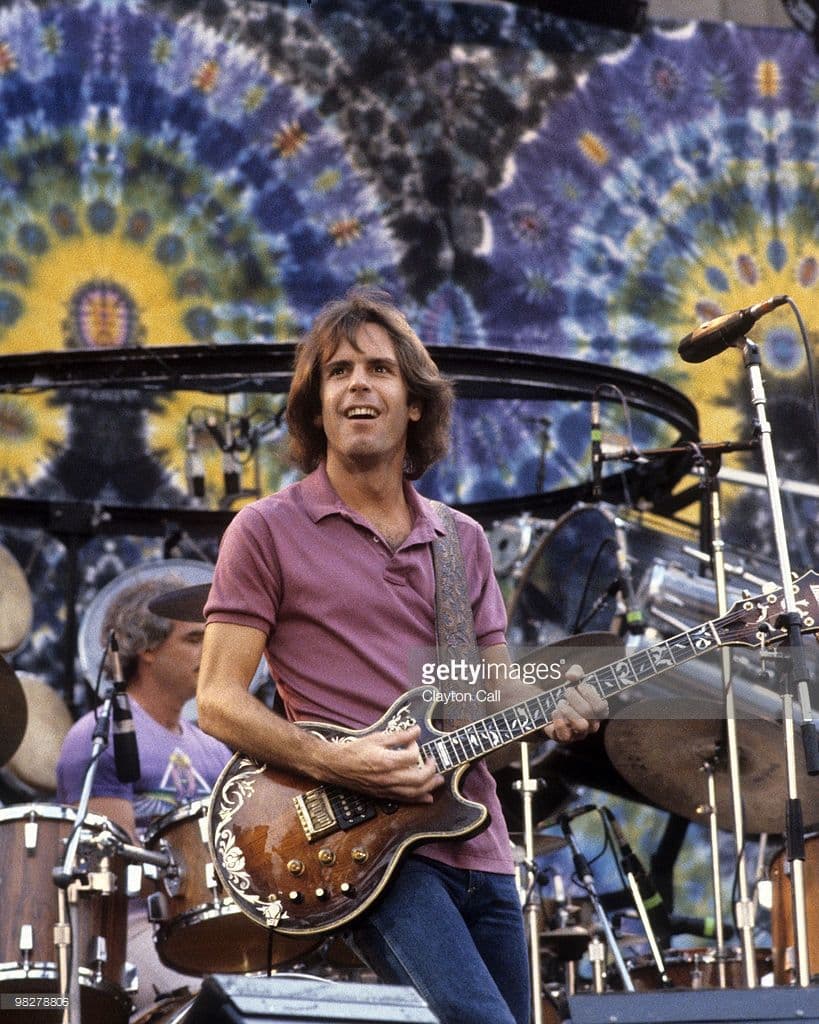
Bob Weir, co‑founder, rhythm guitarist and one of the Grateful Dead’s principal vocalists, has died at 78, his family said in a statement posted to his verified Instagram account. The family said he had been diagnosed with cancer in July 2025, “courageously beat[en] cancer as only Bobby could” and then “succumbed to underlying lung issues,” adding that he “transitioned peacefully, surrounded by loved ones.” The statement also offered a spiritual sendoff: “There is no final curtain here, not really. Only the sense of someone setting off again.”
Reports differ on the exact day the family post was published, and outlets have provided varying lists of surviving relatives; accounts name his wife, Natascha, and daughters variously reported as Monet and Chloe or Shala and Chloe. The family requested privacy and expressed appreciation for the “outpouring of love, support, and remembrance.”
Weir’s role in American music was both practical and symbolic. He met Jerry Garcia in 1963 and joined the band while still in high school, eventually sharing frontman duties and singing the verses on the group’s signature song “Truckin’.” He wrote or co‑wrote staples of the Dead’s repertoire including “Sugar Magnolia,” “Playing in the Band” and “Jack Straw,” and his 1972 solo LP Ace is often treated as a Grateful Dead record because it featured Garcia and other band members and yielded enduring songs such as “Cassidy,” “Black‑Throated Wind,” “Mexicali Blues” and “Looks Like Rain.”
Musicians and critics repeatedly singled out Weir’s distinctive approach to rhythm guitar. He favored concise fills, unexpected chord voicings and melodic comping rather than mere strumming, a method he traced in interviews to listening to piano players including McCoy Tyner. That sound became a template for improvisation in rock bands; as one fellow musician put it, Weir invented “his own vocabulary.”

Even after Jerry Garcia’s death in 1995 brought the original Grateful Dead era to a close, Weir remained an active steward of the band’s music. He led RatDog and later joined Dead & Company, which drew new audiences and anchored a residency at the Las Vegas Sphere in 2024-25. Those projects helped illustrate how legacy acts can convert cultural capital into sustained touring revenue, residencies and immersive live experiences that appeal to multiple generations.
Public reaction to his death was immediate. Fellow musicians offered tributes online, and landmarks and fans marked the moment in displays of color and remembrance, reflecting the Grateful Dead’s rare blend of grassroots community and marketable brand. For many, Weir’s music and persona embodied a broader countercultural ethic that emphasized communal experience, improvisation and longevity in a music business often focused on the new.
In his final year, the family said, Weir continued to perform while undergoing treatment; those appearances were described as “emotional, soulful, and full of light,” and as “not farewells, but gifts.” As fans gather to remember him, the conversation will center not only on songs and set lists but on a musician who helped remake live performance, built a global fan culture and left a catalog that will continue to influence artists and sustain an industry of devoted listeners.
Know something we missed? Have a correction or additional information?
Submit a Tip