Washington National Opera Leaves Kennedy Center Amid Financial and Political Rift
The Washington National Opera announced it will end its decades-long residency at the Kennedy Center, citing a new requirement that productions be fully funded in advance as “incompatible with opera operations.” The split not only reshapes Washington’s cultural map for the coming season but also highlights broader tensions over governance, funding models, and the politicization of major arts institutions.
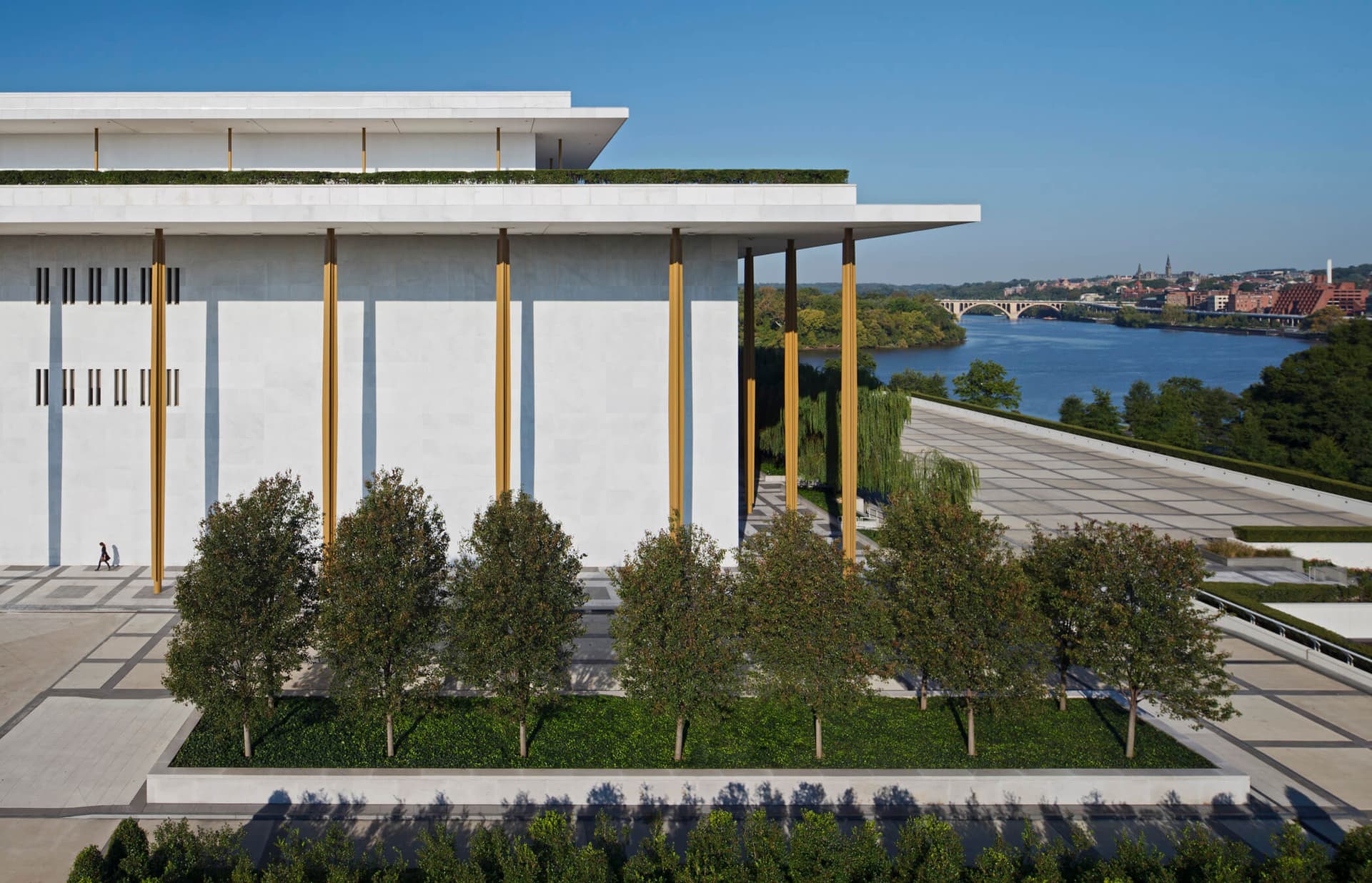
The Washington National Opera said on Jan. 9 that it will sever its long-standing operational arrangement with the John F. Kennedy Center for the Performing Arts, reducing its spring season and relocating performances as part of what the company described as an “amicable transition.” The company framed the departure as a response to what it called an “unsustainable” financial model at the Center that “requires productions to be fully funded in advance,” a mandate WNO said is “incompatible with opera operations.”
The decision reverberates beyond scheduling logistics. WNO has been affiliated with the Kennedy Center since the venue opened in 1971 and operated under an affiliation agreement signed in 2011 when the company faced financial strain. That agreement governed programming, leadership appointments and use of shared resources, including rehearsal space and the Center’s 2,364-seat Opera House. Returning to independent nonprofit status, WNO announced plans to create a separate website and to identify new performance spaces in Washington, while trimming its immediate season to preserve a balanced budget and “ensure fiscal prudence.”
Opera is an expensive, resource-intensive art form that traditionally stages large casts, orchestras and elaborate sets. The new requirement that productions be fully funded before rehearsals begin shifts financial risk onto performing companies, favoring institutions with deep endowments or guarantors and disadvantaging companies that rely on phased fundraising, sponsorships and ticket revenue. For WNO, management concluded that the model could not be reconciled with normal production cycles, prompting a strategic retreat from the Center’s operational framework and a search for more flexible presenting arrangements.
The split follows a period of upheaval at the Kennedy Center: leadership changes, the appointment of Richard Grenell as executive director, and a rebranding approved by the board that incorporated President Donald Trump’s name into the institution’s title. The president assumed the board chairmanship, and those shifts prompted a cascade of cancellations by some high-profile artists and growing debate about the role of political influence in cultural governance. WNO’s statement did not reference the president, and Francesca Zambello, the company’s artistic director for 14 years, said she remained “proud to be affiliated” with the Center while committing to programming “from monumental classics to more contemporary works.”
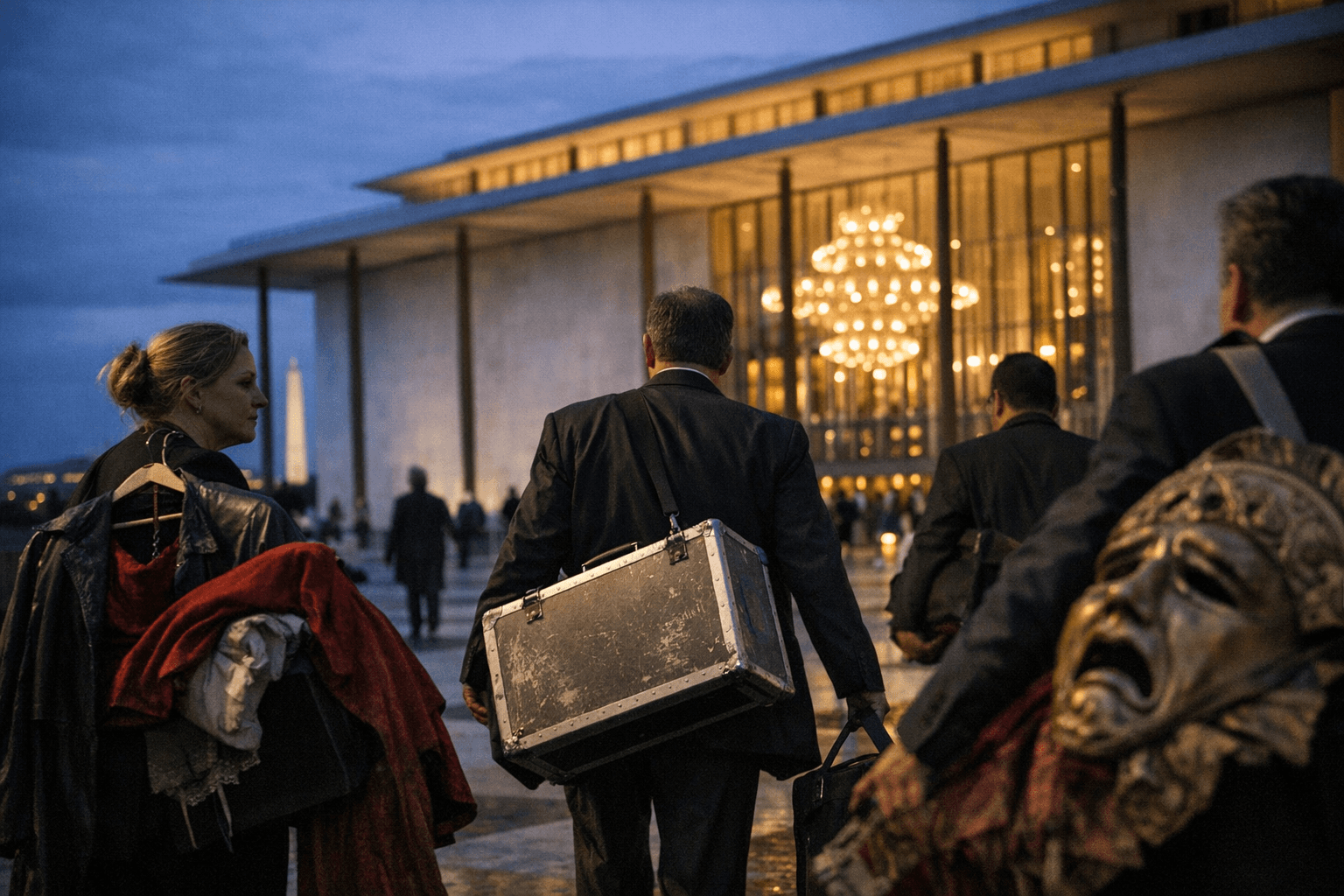
The Kennedy Center offered its own assessment of the split, saying that after deliberation it had “made the difficult decision to part ways with the WNO due to a financially challenging relationship,” and that the separation “represents the best path forward for both organizations and enables us to make responsible choices that support the financial stability and long-term future of the Trump Kennedy Center.”
Beyond the immediate institutional rupture, the development raises industry-level questions about how major venues and resident companies will adapt. Insistence on full pre-funding could accelerate a trend toward decentralized, project-based presentations, co-productions and touring partnerships that spread cost and risk. It could also sharpen donor and audience divisions in a city where cultural access, identity and politics are tightly interwoven.
For Washington audiences, the loss of a stable home for WNO means a period of adjustment: new venues, altered schedules and the possibility that repertory choices will be shaped as much by cash flow considerations as by artistic ambition. The company has promised further venue announcements in the coming weeks; how quickly it secures appropriate stages and re-establishes season-scale operations will determine whether the separation becomes a temporary logistical disruption or a lasting realignment of the capital’s cultural ecosystem.
Sources:
Know something we missed? Have a correction or additional information?
Submit a Tip