How to See Back-to-Back Northern Lights This Weekend
NOAA's Space Weather Prediction Center published a Jan. 9, 2026 forecast calling for minor (G1) geomagnetic storms on Friday, Jan. 9 and Saturday, Jan. 10, driven by a high-speed solar wind stream and incoming coronal mass ejections (CMEs). This guide explains exactly what that means, where and when to watch in the U.S., practical photography and safety tips, and the wider cultural and business implications of an aurora event.
1. Understand the Forecast
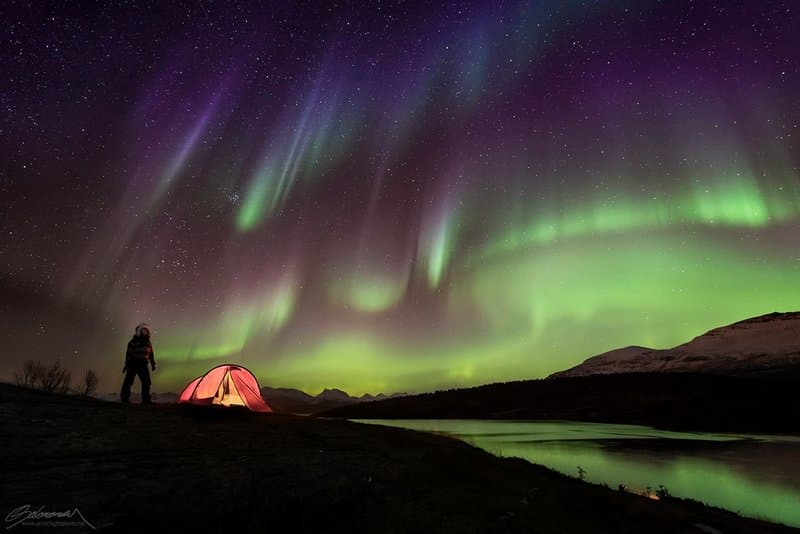
NOAA's Space Weather Prediction Center (SWPC) issued the Jan. 9, 2026 forecast that a high-speed solar wind stream combined with incoming coronal mass ejections (CMEs) could drive minor (G1) geomagnetic storms on Friday, Jan. 9 and Saturday, Jan. 10. G1 is classified as a minor storm but can still produce visible aurora at unusually low latitudes during strong local conditions; the SWPC specifically noted potential visibility across parts of the northern U.S. Knowing the drivers — solar wind speed and CMEs — helps set expectations: activity can spike quickly and then subside as streams and ejecta pass Earth.
2. Best Nights and Timing
Aim for the nights of Jan. 9 and Jan. 10, with flexibility for pre- or post-midnight hours when geomagnetic activity typically becomes most visible. Aurora tends to be strongest around local midnight to the early morning hours, but disturbances from CMEs can create displays earlier or later. Keep monitoring NOAA updates through the night because G1 conditions can fluctuate and brief stronger substorms are possible.
3. Where to Go
Head north within the continental U.S. — think the northern tier and high-altitude spots — to maximize your chance of seeing the glow. Areas with clear horizons and low light pollution are ideal: remote state parks, lakeshores, or high vantage points away from city lights. If you’re mobile, have a list of alternate locations in different directions because clouds and local weather can block the sky even when geomagnetic activity is present.
4. How to Track Real Time
Use NOAA SWPC resources and real-time indices (KP index, solar wind speed) to refine plans throughout the night. Space-weather feeds, alert subscriptions, and community-report channels will show whether the predicted G1 conditions are materializing and where. For back-to-back viewing on Jan. 9 and 10, set alerts and check updates before leaving a warm car or lodge so you don’t miss a sudden surge.
5. Photography Essentials
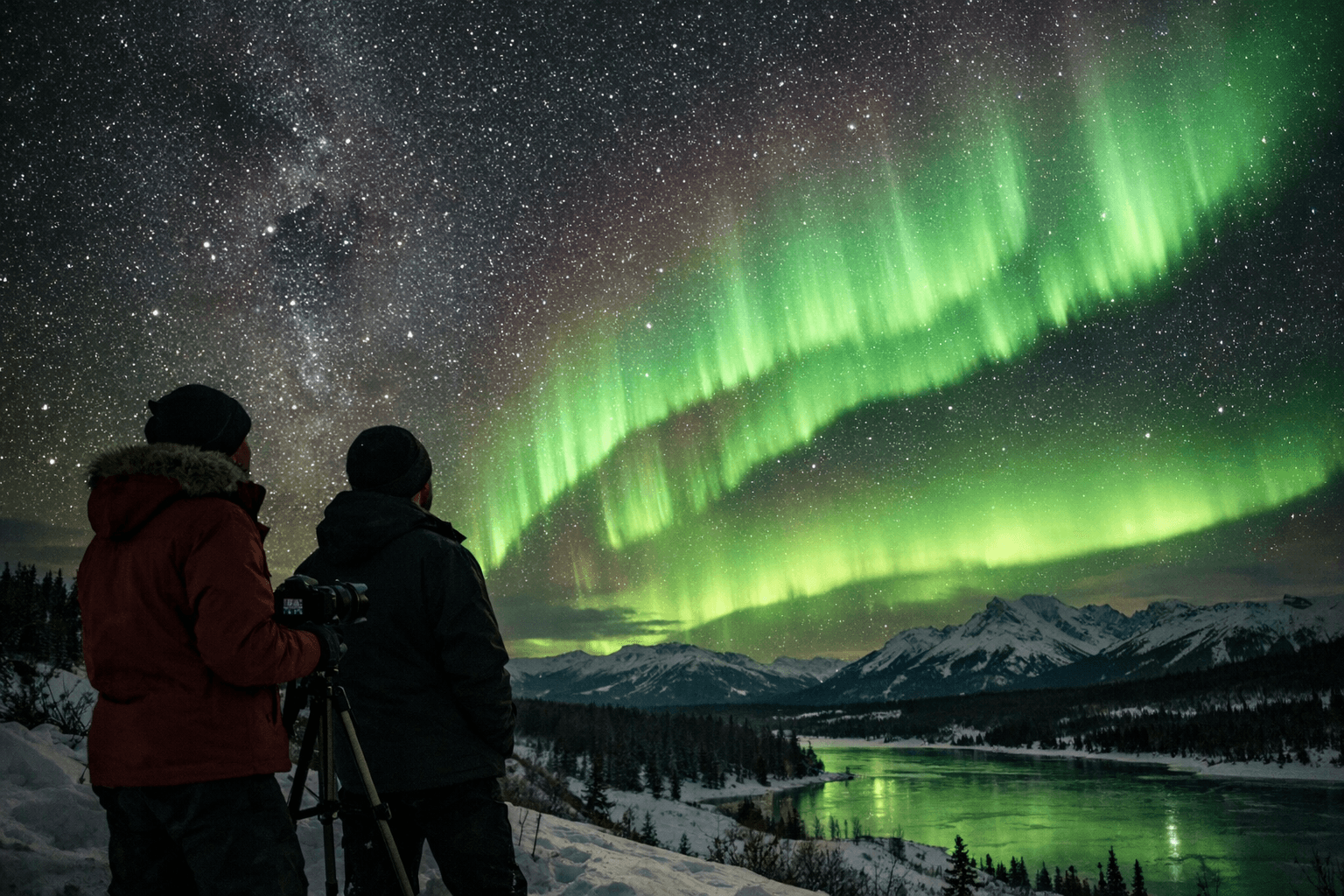
Bring a sturdy tripod and a camera you can set to manual mode; auroras are best captured with long exposures and wide-angle lenses to frame the sky. Suggested starting settings are a wide aperture (f/2.8–f/4), ISO 800–3200 depending on your camera’s noise performance, and exposures from 5–30 seconds — adjust for brightness and movement. Focus to infinity manually, shoot in RAW for flexibility in post-processing, and take test shots early to dial in color and exposure before the show intensifies.
6. Gear and Comfort Checklist
Dress in layers and plan for extended cold exposure: insulated boots, hat, gloves, and a thermal base. Bring a thermos, spare batteries (cold drains them fast), a headlamp with red light, and a blanket or insulated pad to stand on. If traveling to rural locations, carry a charged phone, car emergency kit, and let someone know your plans; winter conditions on Jan. 9–10 can complicate travel and rescue response times.
7. Safety and Local Logistics
Respect private property and local ordinances when choosing viewing spots — many prime vantage points are on public lands or designated parks, which can also have warming facilities or restroom access. Monitor road and weather reports; sudden storms or ice can make rural routes hazardous. If large crowds form, follow local guidance to avoid blocking access roads or creating unsafe parking situations.
8. Cultural Context and Community Value
Aurora events are cultural moments as much as scientific ones: Indigenous communities across northern North America have long-held stories about the lights, and contemporary viewers bring personal and communal meaning to sightings. Back-to-back displays amplify public interest, drawing families, photographers, scientists, and tourists together — a reminder that natural phenomena can bridge traditions, curiosity, and shared wonder.
9. Economic and Industry Implications
Even minor storm forecasts can boost local tourism and gear sales: hotels near dark-sky parks, tour operators, and specialty retailers often see upticks when NOAA issues aurora guidance. For the space-weather industry, repeated events reinforce demand for forecasting services, real-time alerting products, and commercial tools for photographers and emergency managers. Operators who provide safe, informed viewing experiences benefit most when forecasts are clear and communication is timely.
10. How Citizens Can Help Science
Report sightings and upload geo-tagged photos to citizen-science platforms and social feeds; time-stamped observations help researchers validate models and refine short-term forecasts. Following NOAA SWPC and sharing accurate updates reduces misinformation and helps communities respond appropriately to future space-weather events. Contributing data is simple and aids both academic research and practical forecasting improvements.
11. Final Practical Tips
- Stay flexible: cloud cover and local weather shape success as much as geomagnetic conditions; have alternate nights and locations planned.
- Keep expectations realistic: G1 is “minor,” so displays may be faint or patchy in lower latitudes; vivid displays are possible but not guaranteed.
- Be respectful: pack out trash, minimize light pollution when photographing, and be mindful of others seeking a quiet experience.
Wrap-up: NOAA’s Jan. 9, 2026 forecast for a high-speed solar wind stream and incoming CMEs sets the stage for potential back-to-back aurora viewing on Friday Jan. 9 and Saturday Jan. 10 across parts of the northern U.S. With informed planning, the right gear, and attention to safety and local context, this weekend could offer a memorable natural show — and a reminder of how closely human life can be tied to the rhythms of space weather.
Sources:
Know something we missed? Have a correction or additional information?
Submit a Tip