Brazil weather slashed arabica yields, tightening global coffee supplies
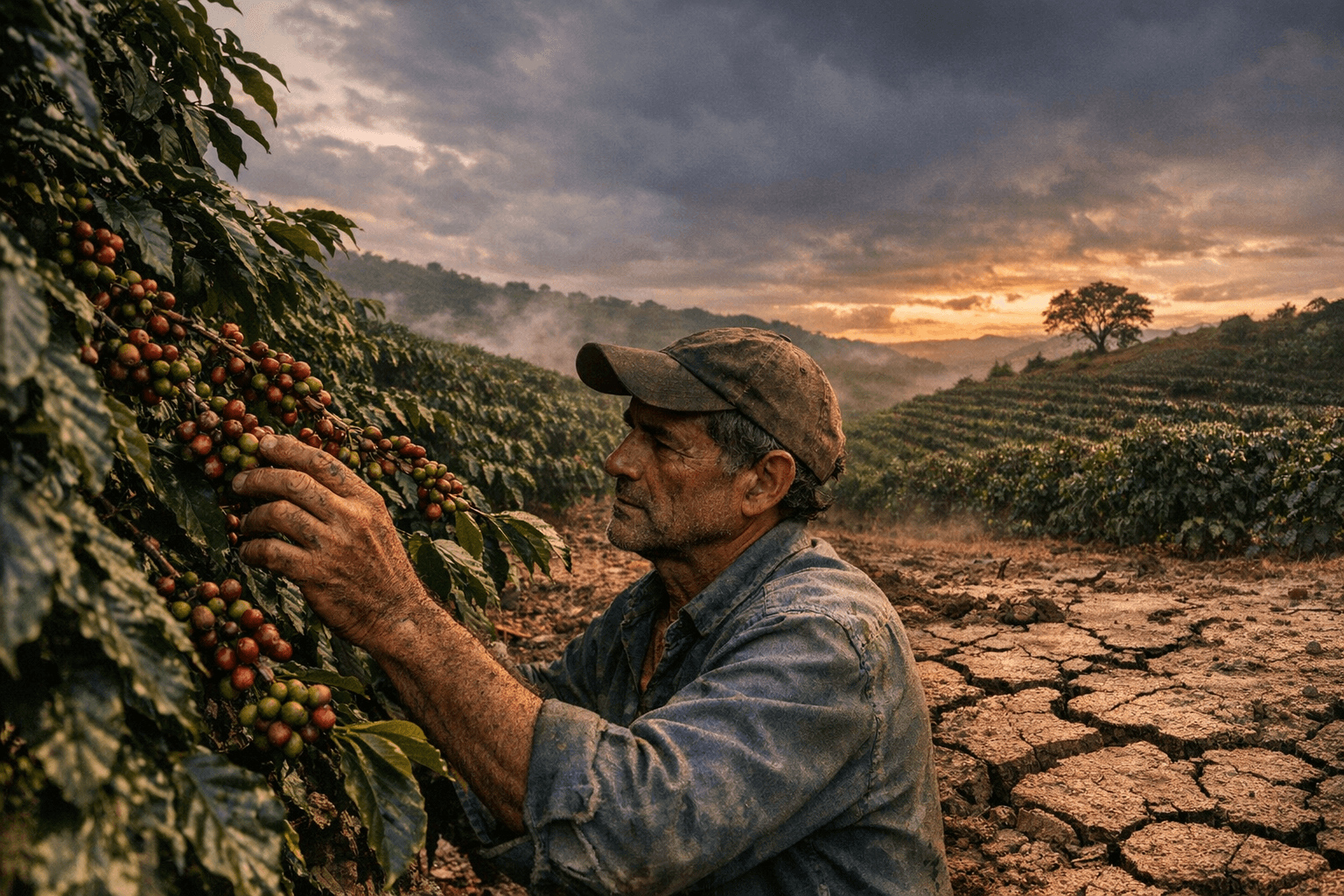
Highly variable weather in Brazil during 2025 cut arabica production and prompted the USDA Foreign Agricultural Service to estimate 2025–26 coffee output at roughly 63 million 60-kg bags, about 3 percent below the prior year with arabica down an estimated 13 percent. The shortfall and ongoing weather uncertainty pushed nearby futures higher and increased price volatility, leaving growers, roasters and buyers on edge as the next harvest approaches.
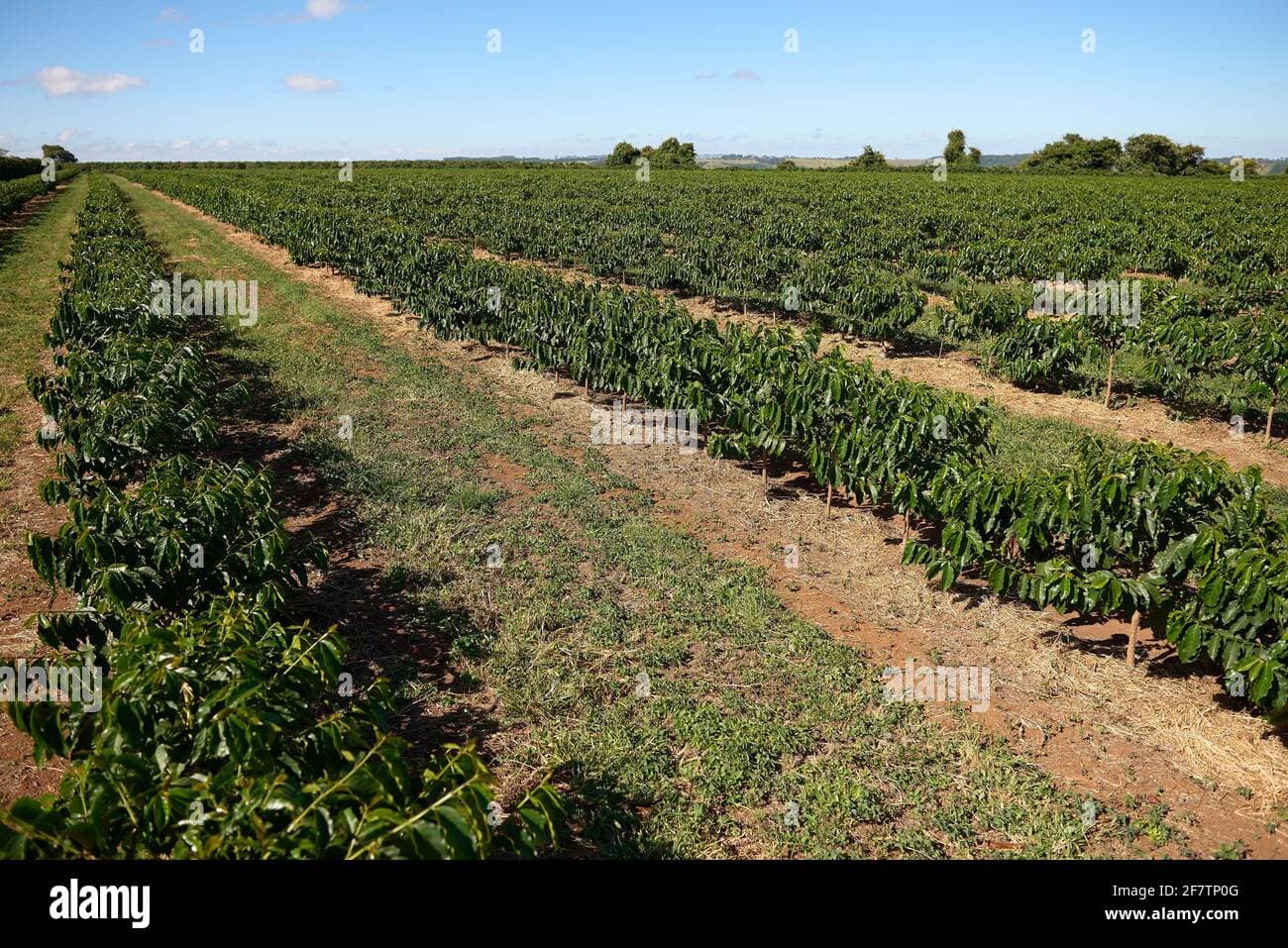
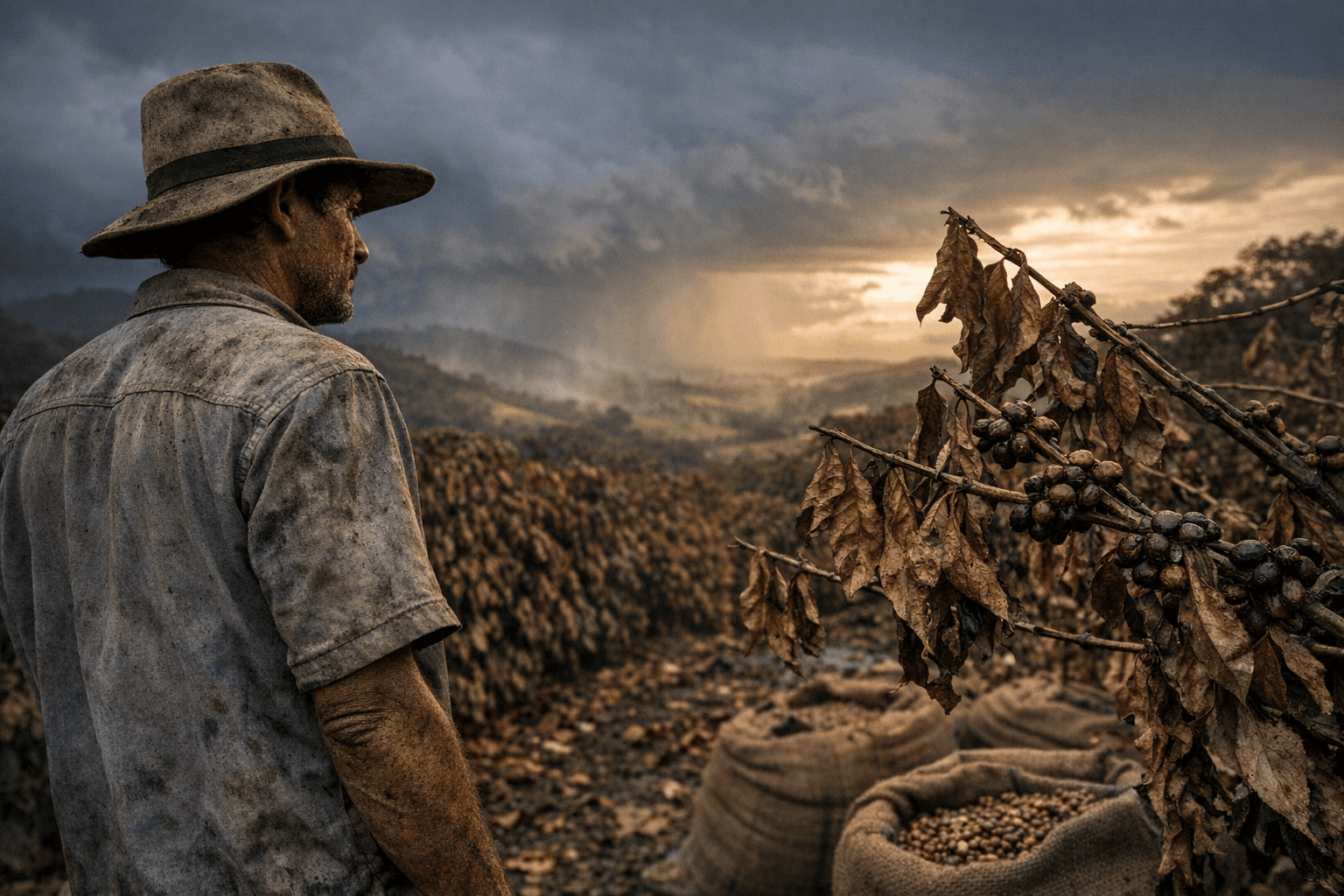
Brazil, the world’s dominant coffee supplier, saw a year of weather extremes in 2025 that materially reduced arabica yields and reshaped market expectations. The USDA Foreign Agricultural Service put Brazil’s 2025–26 coffee production at roughly 63 million 60-kg bags, about 3 percent below the previous marketing year and with arabica down an estimated 13 percent. Drought, spells of insufficient rainfall and several cold fronts with elevated frost risk in key producing states such as Minas Gerais were cited as the main drivers of the decline.
The drop in output immediately affected trading. Nearby arabica futures moved higher as markets priced in tighter supplies and greater volatility. Commercial buyers and roasters reported watching the curve closely, with importers re-evaluating forward coverage and speculative positions widening price swings. For small roasters and specialty retailers, the shortfall has translated into faster-moving negotiations for green beans and renewed attention to inventory buffers.
Regional forecasts during late 2025 and into early 2026 kept uncertainty high. Meteorological outlooks indicated continued variability in rainfall and temperature patterns across Brazil’s growing regions, a setup that can hurt flowering, bean fill and maturation if dry spells or frosts recur. That uncertainty contributed to cautious behavior on the ground: many growers deferred large-scale sales, tightened cash management, and inspected irrigation and frost protection measures ahead of the next harvest season.
For coffee community members managing supply or production risk, practical actions matter now. Monitor local temperature and precipitation forecasts daily, confirm irrigation and frost mitigation systems are operational, and document crop condition block by block. Buyers should review contract terms and delivery windows and consider diversifying supplier sources to spread risk. Small roasters and cafés ought to reassess inventory turnover and pricing strategies while keeping communication lines open with importers.
The 2026 growing season will determine whether production rebounds or volatility persists. For now, tighter arabica supplies and price swings are the new normal, and growers and buyers planning for the next harvest will need to balance caution with proactive management to navigate the uncertainty.
Sources:
Know something we missed? Have a correction or additional information?
Submit a Tip