Cambodia vows fierce fight, clashes widen along Thailand border
Renewed fighting along the Thailand Cambodia frontier has sent tens of thousands of civilians fleeing and raised fears of a broader escalation. The violence threatens local economies, cross border trade and investor confidence, while international appeals for a return to the fragile ceasefire intensify.

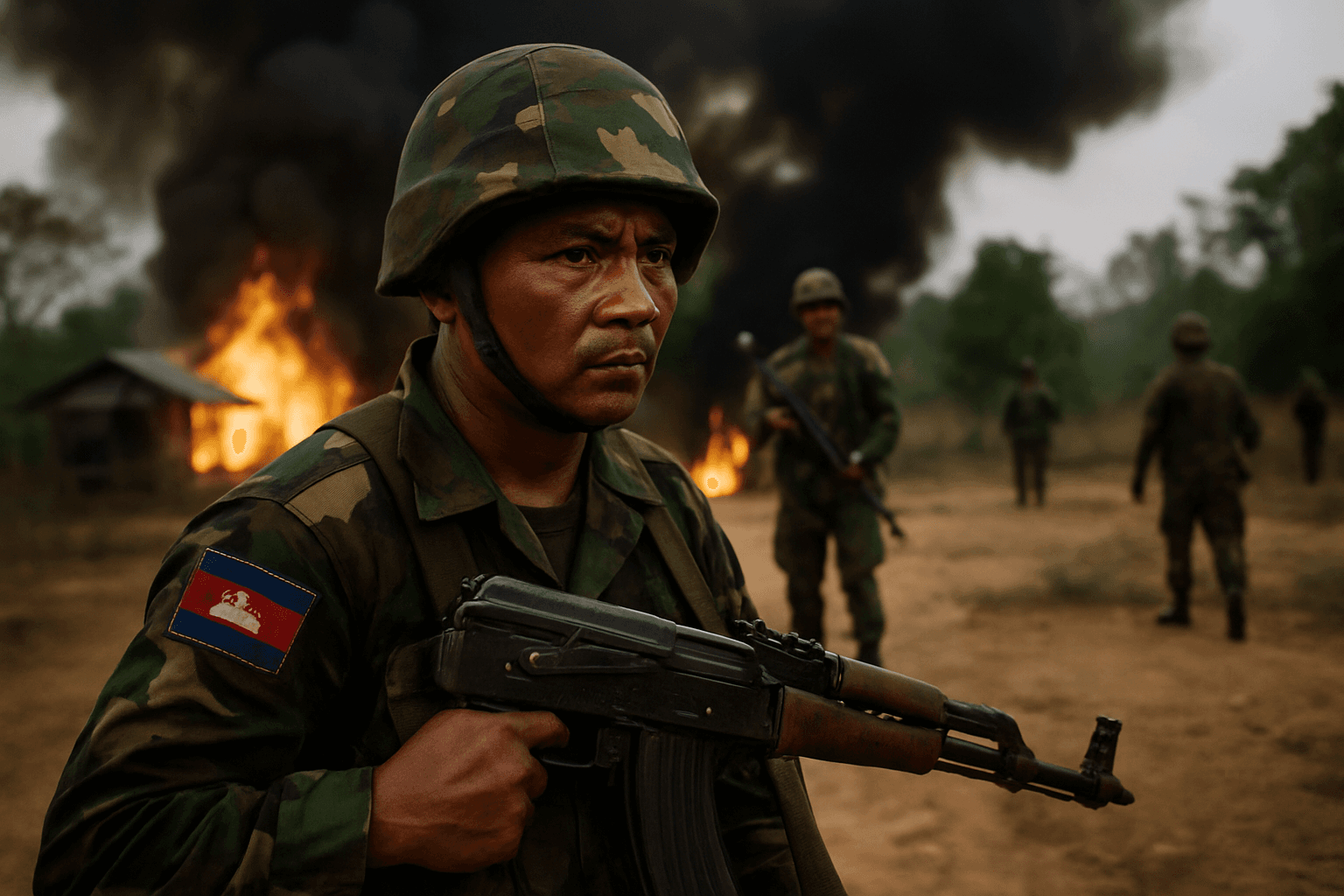
Heavy fighting erupted along multiple points of the Thailand Cambodia land border on Tuesday, spilling into a second day as both capitals exchanged accusations and civilians streamed away from the front lines. The clashes have involved heavy weapons and air strikes, and officials on both sides accused the other of laying or using land mines, complicating efforts to protect noncombatants and stabilize the area.
Cambodia’s Senate President Hun Sen and other senior officials vowed a "fierce fight" after fighting resumed following a previous fragile ceasefire, signaling a hardening of Phnom Penh’s public posture even as UN officials voiced serious concern and urged an immediate return to the ceasefire. Thai authorities reported that civilians were fleeing across the border into Buriram province and other areas, and described rapidly growing displacement among rural communities that live and work near the frontier.
Human displacement is now measured in the tens of thousands, straining shelter capacity and local services in border towns. The sudden population movements interrupt harvests and market activity in an area where livelihoods rely heavily on agriculture and small cross border trade. Local traders and transporters face lost income, and longer term contamination from mines can render farmland unusable, reducing productive capacity and the tax base for provinces already reliant on informal economies.
The renewed violence revives a long running territorial dispute that has produced periodic flare ups for decades. Recent incidents cited by both governments, including complaints over prisoners and alleged land mine use, had kept tensions high and made previous ceasefires brittle. Analysts say those recurring provocations erode trust and increase the risk that an isolated exchange could widen into sustained confrontation.
Market implications are likely to be localized initially, but could ripple more widely if the conflict persists. Border disruption could dent tourism flows in eastern Thailand and Cambodia during a peak season, reduce cross border commerce and increase logistical costs for goods moving through the region. Investor sentiment toward both countries may be affected, especially for projects near the border, while insurers and lenders could reprice risk for infrastructure and agribusiness in the affected provinces.
Policy options available to regional and international actors are limited but urgent. The United Nations has appealed for de escalation and a return to the earlier ceasefire, while ASEAN faces pressure to activate diplomatic channels to prevent further escalation. Domestically, both governments confront political incentives that may push leaders toward toughness, complicating back channel negotiation.
Longer term, the episode underscores how unresolved territorial disputes and the legacy of mines maintain a chronic vulnerability to sudden instability in Southeast Asia. Unless diplomatic mechanisms are strengthened and practical confidence building measures implemented, analysts warn that brittle ceasefires will continue to leave border communities exposed to repeated shocks, with cumulative costs for development, security and regional economic integration. The Associated Press published this account on December 9, 2025.