Lithuania Declares Emergency, Seeks Military Powers Over Balloon Incursions
Lithuania has declared a state of emergency after a series of high altitude balloons launched from neighbouring Belarus disrupted civil aviation and were used to smuggle contraband into the country. The government has asked parliament to authorise military support for police and border guards, a move that raises security, legal and economic questions for the Baltic state and its allies.
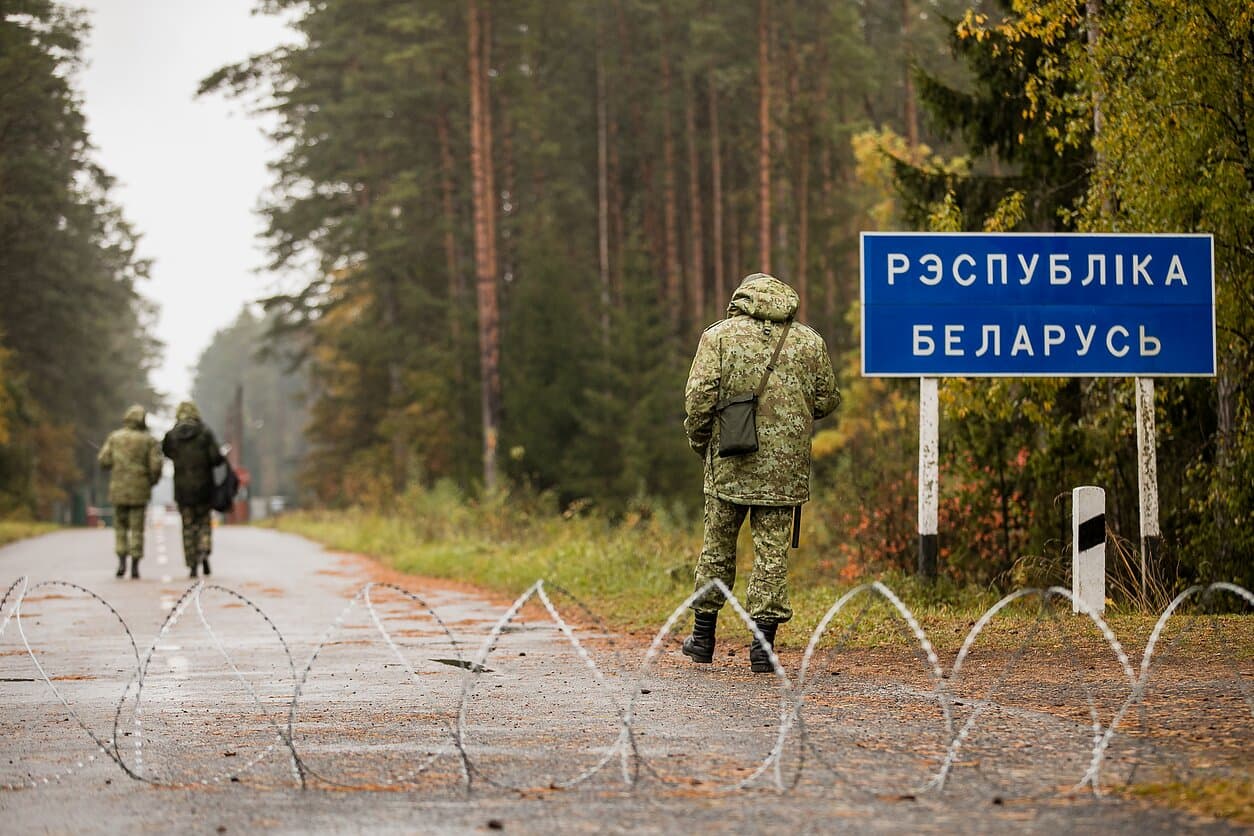
Lithuania has declared a state of emergency on December 9, 2025 after repeated incursions by high altitude balloons launched from neighbouring Belarus, the government said. Authorities said the devices have disrupted civil aviation and been used by smugglers to ferry contraband, notably cigarettes, into Lithuanian territory. Vilnius has described the pattern as a 'hybrid attack' and asked parliament to grant military powers to support police and border guards.
The parliamentary request would allow the deployment of military personnel to assist law enforcement with powers to restrict movement, search vehicles and detain suspects. Belarus has denied responsibility for the incidents, and European Union officials have condemned the actions that prompted the emergency declaration. Lithuanian authorities said the emergency will remain in place until it is lifted by the government.
The move represents an escalation in a multi layered security challenge along the eastern flank of NATO. For Lithuania, an EU and NATO member, the deployments signal a shift from border policing to an integrated security posture that blends military capabilities with domestic law enforcement. The government’s appeal to parliament is also a test of domestic oversight mechanisms, since granting soldiers policing powers raises questions about proportionality, civil liberties and the legal limits on military involvement in internal security.
Beyond security implications, the episode has immediate and tangible economic consequences. Disruptions to civil aviation can raise airline operational costs and disrupt passenger and cargo flows in a region where air links are essential for commerce and tourism. Smuggling of cigarettes and other contraband undermines state tax revenues and distorts legal markets, imposing enforcement costs that will likely fall on taxpayers. The need for heightened surveillance and interdiction capabilities typically drives spending on technology and manpower, a budgetary pressure that could persist if such incursions continue.

The incident also has diplomatic and strategic consequences. Lithuania’s characterization of the events as a 'hybrid attack' frames them within a broader pattern of non conventional pressure faced by several EU members. That framing may increase calls within NATO for collective responses or enhanced intelligence sharing, while complicating relations with Belarus and its close ally Russia. EU condemnation signals political support for Vilnius, but practical responses will hinge on available evidence and the willingness of allies to escalate measures.
Longer term, the episode highlights the growing use of unconventional aerial platforms in low intensity conflict and illicit trade. Governments across Europe are likely to reassess airspace monitoring, customs enforcement and legal frameworks governing military support to police. For Lithuanian policymakers the immediate priorities will be securing parliamentary approval, balancing security needs with civil liberties, and coordinating with EU and NATO partners to deter further incursions while limiting economic disruption. Reuters reported the developments.