Rwanda Backed Rebels Push Toward Uvira, 200,000 Flee Fighting
The United Nations says roughly 200,000 people have fled in recent days as the M23 rebel coalition advanced toward the strategic lakeside town of Uvira in eastern Democratic Republic of Congo. The surge of violence, which the U.N. and Western governments have widely reported as backed by Rwanda, threatens to unravel a recently signed pact between Kigali and Kinshasa and risks wider regional instability.
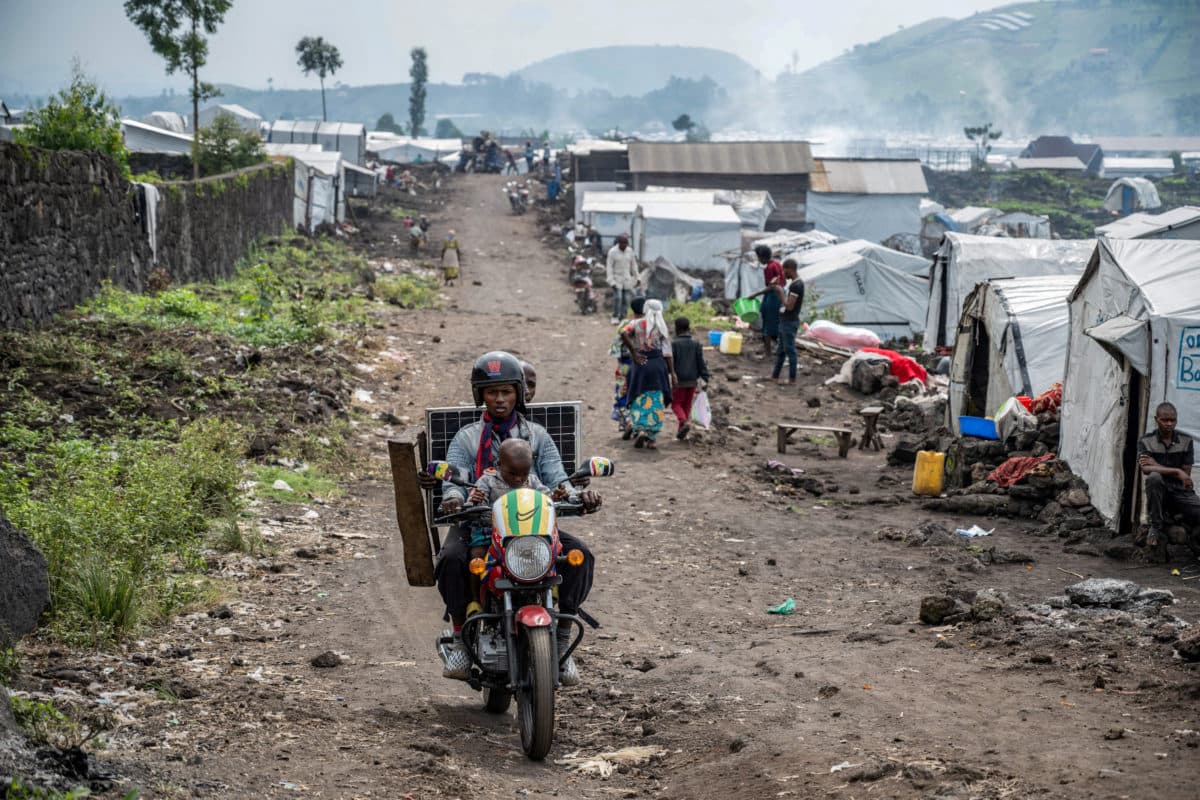
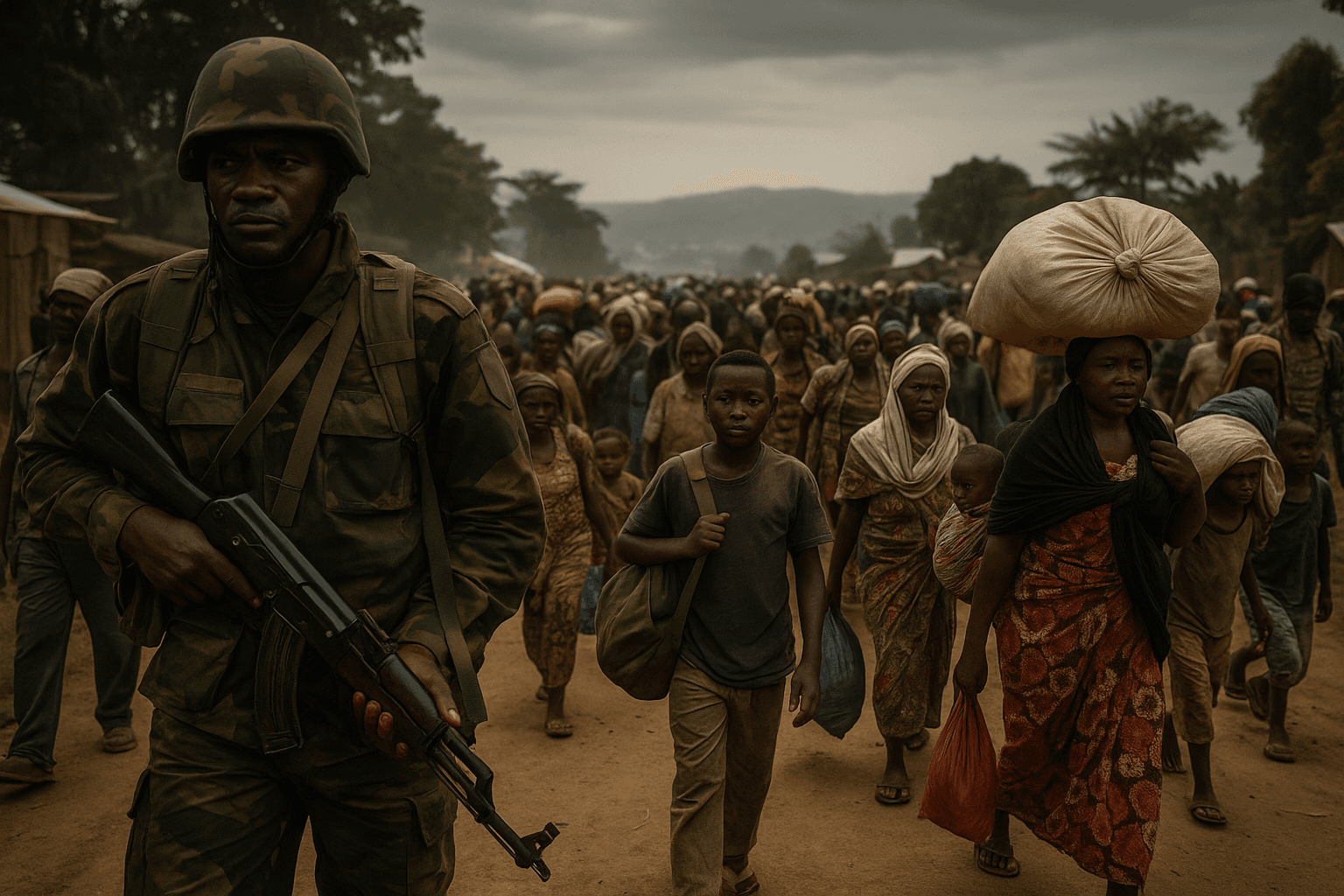
Roughly 200,000 people have fled their homes in eastern Democratic Republic of Congo in recent days as the M23 rebel coalition pressed an offensive toward the strategic lakeside town of Uvira, the United Nations said on Tuesday. The U.N. reported at least 74 people killed and 83 hospitalized amid the latest clashes, while fighting was reported earlier around Luvungi and continued near the towns of Sange and Kiliba.
The new advance comes days after a U.S. and Qatari brokered ceremony in Washington where leaders of Rwanda and the DRC signed an implementation pact intended to reduce tensions and rein in proxy armed groups. U.S. officials and U.N. representatives said they were alarmed that the recent violence appeared to undercut the accord and risked derailing fragile progress toward de escalation.
The M23 coalition has been widely reported by the U.N. and Western governments to be backed by Rwanda. International actors have warned that renewed battlefield gains for the rebels could inflame longstanding communal and territorial grievances, draw in neighboring states and create new humanitarian corridors of displacement. Uvira, on the shores of Lake Tanganyika, has strategic importance for logistics and trade across the region and its fall would carry symbolic as well as tangible consequences.
Humanitarian agencies are racing to respond to the new wave of displacement, though access has been hampered by active front lines and damaged infrastructure. Aid workers report that families are moving both toward larger towns and into informal settlements, straining limited water, food and health services that were already under pressure from previous cycles of violence. The U.N. said the scale and speed of displacement in recent days was among the most dramatic seen in the region this year.
The fighting also adds a complex diplomatic test for international mediators who negotiated the Washington pact. The agreement aimed to operationalize commitments by both capitals to prevent cross border support for armed groups and to restore security and state authority in eastern DRC. The sudden upsurge in combat has prompted calls from diplomats and regional organizations for urgent clarification of responsibilities and for renewed monitoring mechanisms to verify compliance.
Legal scholars and practitioners caution that allegations of external backing for non state armed groups can trigger questions under international law about state responsibility and the obligation to prevent breaches of another country’s sovereignty. Those legal debates are likely to become more prominent if civilian losses and cross border flows increase.
Regional capitals are watching closely, mindful that instability in eastern DRC has in the past spilled across borders, affecting Burundi, Uganda and Tanzania and straining fragile diplomatic ties. For residents of Uvira and neighbouring communities the immediate priority is survival and shelter. For diplomats the pressing task will be to convert political commitments into visible action that can stop the fighting and prevent a wider regional conflagration.