Southern Transitional Council Seizes Southern Yemen, Airspace Briefly Closed
Forces of the United Arab Emirates backed Southern Transitional Council expanded control across southern Yemen on December 9, seizing parts of Hadhramaut province including Seiyun, local oil installations and government facilities while Yemen's airspace was temporarily restricted, stranding hundreds of passengers. The moves deepen fissures within the anti Houthi camp, raising regional security and shipping concerns for Saudi Arabia and international trade through the Bab el Mandeb shipping corridor.
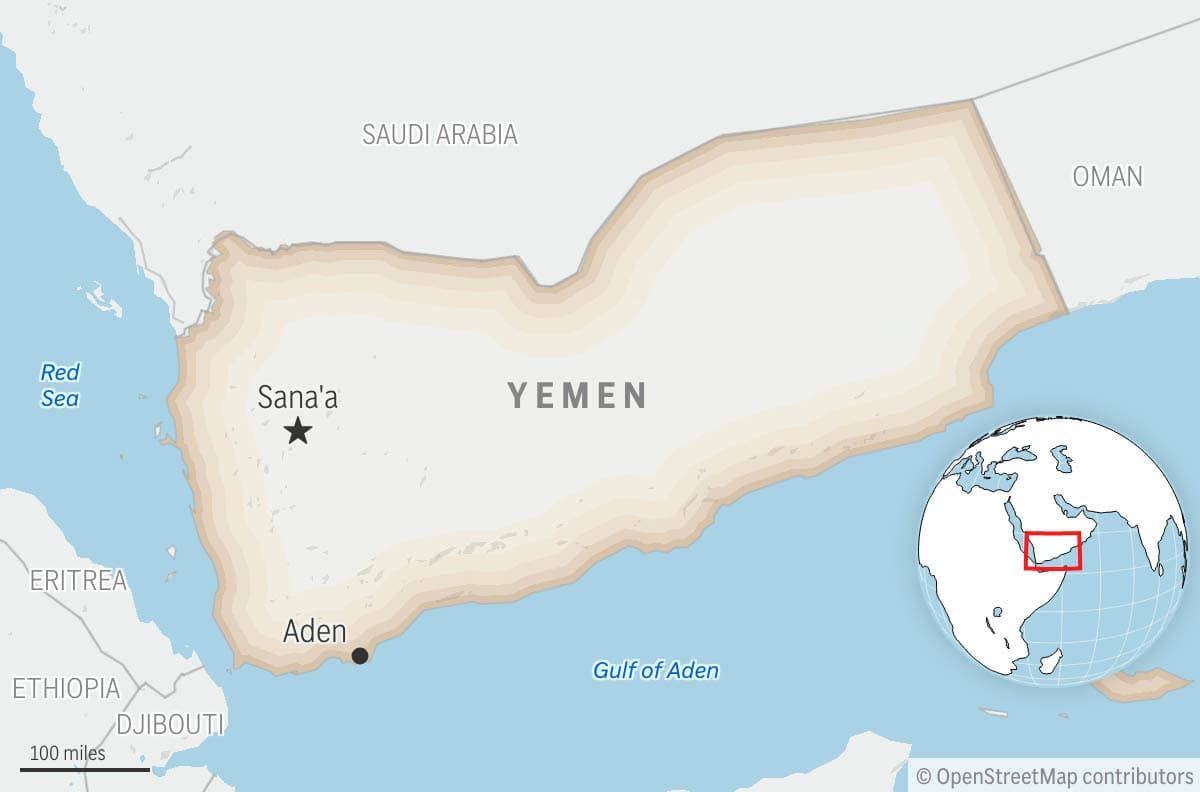
Forces loyal to the Southern Transitional Council advanced across southern Yemen on December 9, seizing parts of Hadhramaut province, the city of Seiyun, a number of local oil installations and several government buildings, the Associated Press reported. The STC raised the historic South Yemen flag over captured facilities and staged pro independence rallies in Aden and other southern cities as authorities and foreign partners assessed the security implications.
Yemen's civil aviation authorities imposed a temporary restriction on national airspace, a move that left hundreds of passengers stranded at airports and in transit. Officials and coalition partners cited immediate safety concerns as the principal reason for the disruption while military and security assessments were carried out. Flights resumed later in the day in some corridors but authorities warned of ongoing volatility.
The STC, a secessionist coalition backed by the United Arab Emirates, framed the operation as necessary to combat smuggling, Al Qaeda affiliates and the influence of the Houthi movement in the south. Yemen's Presidential Council issued a stark condemnation of the unilateral advances and called for an immediate withdrawal of STC forces from government facilities and installations, warning that the moves threatened fragile national unity.
Analysts said the STC advances risk splintering the anti Houthi coalition that has, at times, presented a fragile front against Houthi forces in the north. A split among Saudi led partners and local southern actors could complicate coordination on counterterrorism operations and border security, particularly for Saudi Arabia which views stability in southern Yemen as integral to its national security.

The seizures of oil related facilities in Hadhramaut, while not immediately reported to have disrupted national crude exports, introduce fresh market and operational uncertainty. Hadhramaut hosts infrastructure that supports local hydrocarbon activity and logistics nodes that feed ports on the Gulf of Aden and Arabian Sea. Any extended interruption to operations or access to coastal facilities could reverberate through regional supply chains and boost insurance and rerouting costs for commercial shipping.
Maritime analysts highlighted the strategic implications for the Bab el Mandeb strait, the narrow sea lane that connects the Red Sea with the Gulf of Aden and the Suez transit route. Control or instability near Yemen's southern approaches can influence shipping patterns and prompt international naval adjustments to protect commercial traffic. Regional capitals are likely to monitor developments closely for potential impacts on global trade flows and energy transit.
Humanitarian organizations and aid operators warned the latest confrontations could impede relief deliveries and compound civilian hardship in a country already enduring a decade of conflict. While the immediate tactical gains for the STC were clear, the broader political and economic consequences are uncertain, and could reshape alignments among local actors and foreign patrons across the Red Sea and Arabian Peninsula.