Benin Government Says Coup Attempt Thwarted, Several Killed
Beninese authorities say they have quashed an attempted coup that left several people dead and prompted the detention of suspected participants. The developing events raise immediate security concerns and could unsettle investor confidence in the small West African economy if political stability does not quickly return.
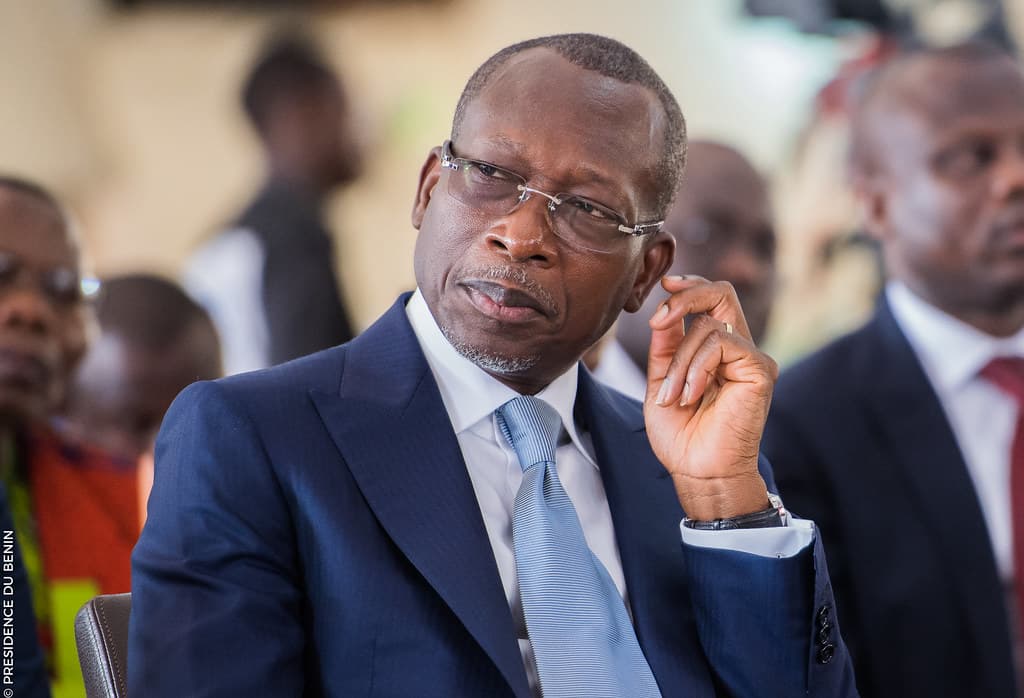
Benin's government says security forces have foiled an attempted coup on December 9, 2025, that resulted in several deaths and left authorities pursuing soldiers and civilians implicated in the action. Early official statements indicate the president and core state institutions remain in place, while security services continue detentions and searches for others believed to be involved. The government has opened an investigation, though limited details are available in the immediate aftermath.
The incident has prompted alarm across the region and among international partners, who are calling for restraint and respect for constitutional order. Regional capitals are monitoring developments closely, and diplomatic channels are conveying concern about stability in a country that is a key transit point for goods and people in West Africa. Authorities have urged calm as security forces tighten control around government facilities and areas where unrest was reported.
Benin is a small open economy whose main urban and port hub, Cotonou, handles a large share of trade for neighboring landlocked countries. Political disruptions of this kind can translate quickly into economic costs. Markets often react to uncertainty with increased risk premia, currency pressure and reduced appetite for new investments, particularly in economies with limited buffers. Even short lived instability can delay imports, complicate logistics and raise costs for firms that rely on predictable transport corridors.
Investors and credit providers will be watching fiscal and monetary signals closely. If the government responds with heavy handed security measures, or if the investigation drags on without transparent findings, international lenders and private creditors may reassess exposures. Conversely, a rapid, credible restoration of order and a swift, transparent inquiry could limit damage to investor confidence and to trade flows. For a country working to attract private finance and expand services, the political signal matters as much as any immediate disruption.
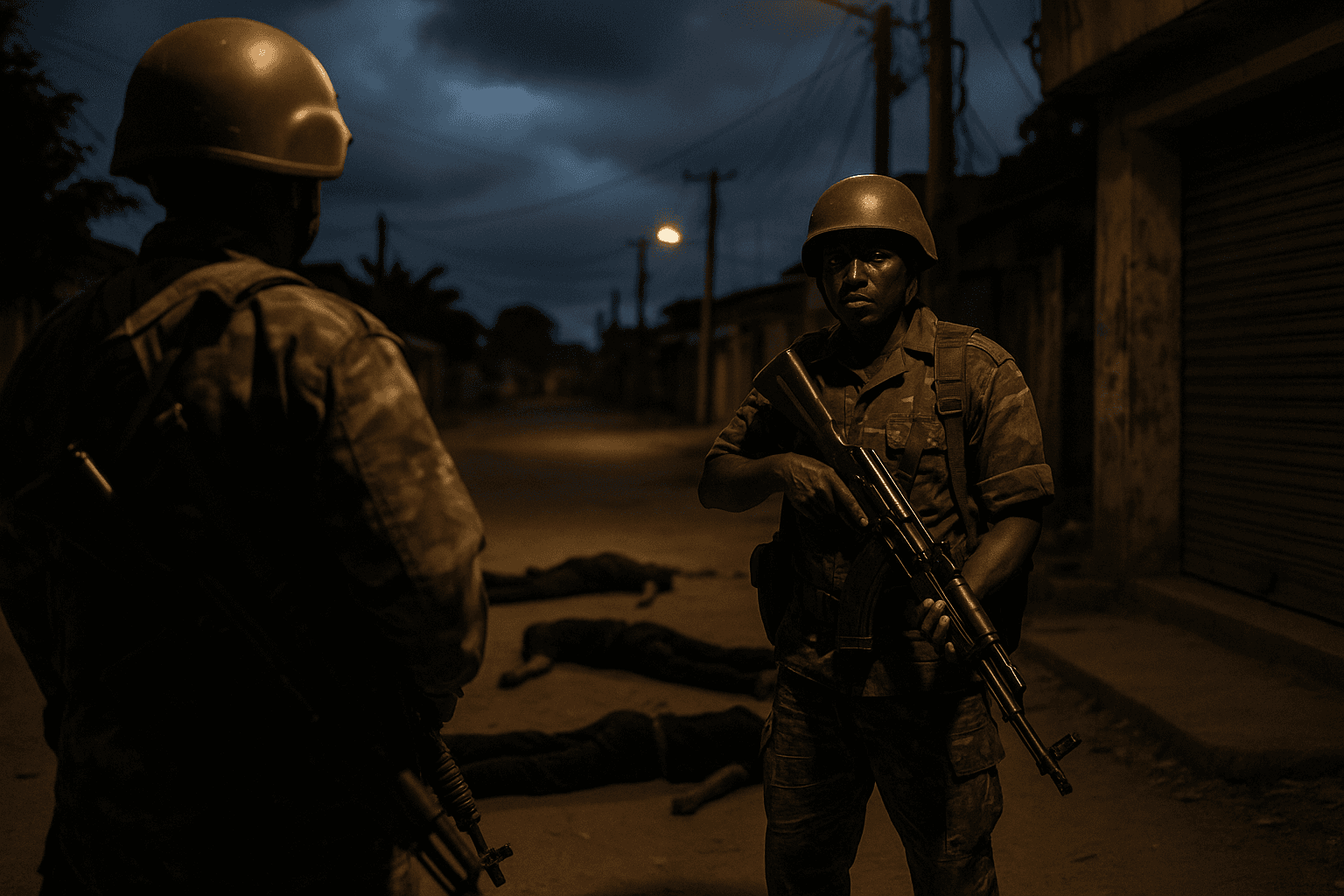
Beyond market reactions, the episode raises policy questions about military oversight, civil governance and regional cooperation on security. Governments in the area face a balance between supporting stability and upholding the rule of law. International partners calling for calm are also likely to press for adherence to constitutional processes, and regional organizations may offer mediation or monitoring to prevent escalation.
Long term economic prospects will depend on how the government manages the investigation and any subsequent reforms. Stability is a precondition for deepening trade links, expanding ports capacity and attracting the investment needed for infrastructure and services. If authorities can contain the fallout, reassure markets and involve independent observers in the inquiry, the economy stands a better chance of returning to growth without lasting reputational damage.
For now, uncertainty is the dominant economic variable. Security operations and detentions are ongoing, and officials have not released comprehensive casualty figures or a full account of the plot. The situation remains fluid, with regional concern high and the international community stressing the need for restraint and the protection of democratic institutions.