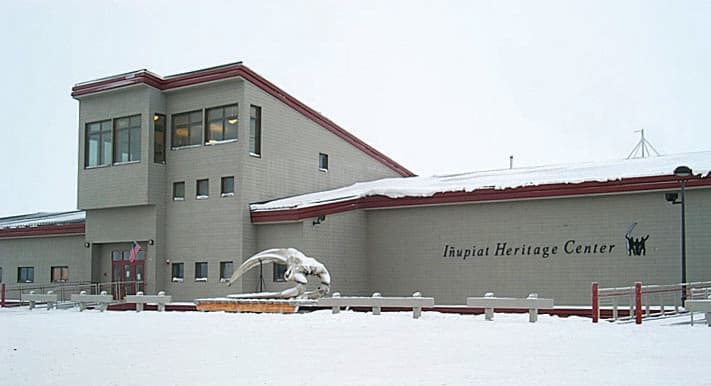
Caribou Crash Threatens Hunting, Food Security in North Slope
On December 10, a state biologist told the Western Arctic Caribou Herd Working Group that the herd has dropped to about 121,000 animals, the lowest level since the 1970s and down from 152,000 in 2023. The decline, driven by low adult survival especially among adult females, could cut harvest opportunities and deepen food security and public health challenges for rural communities.
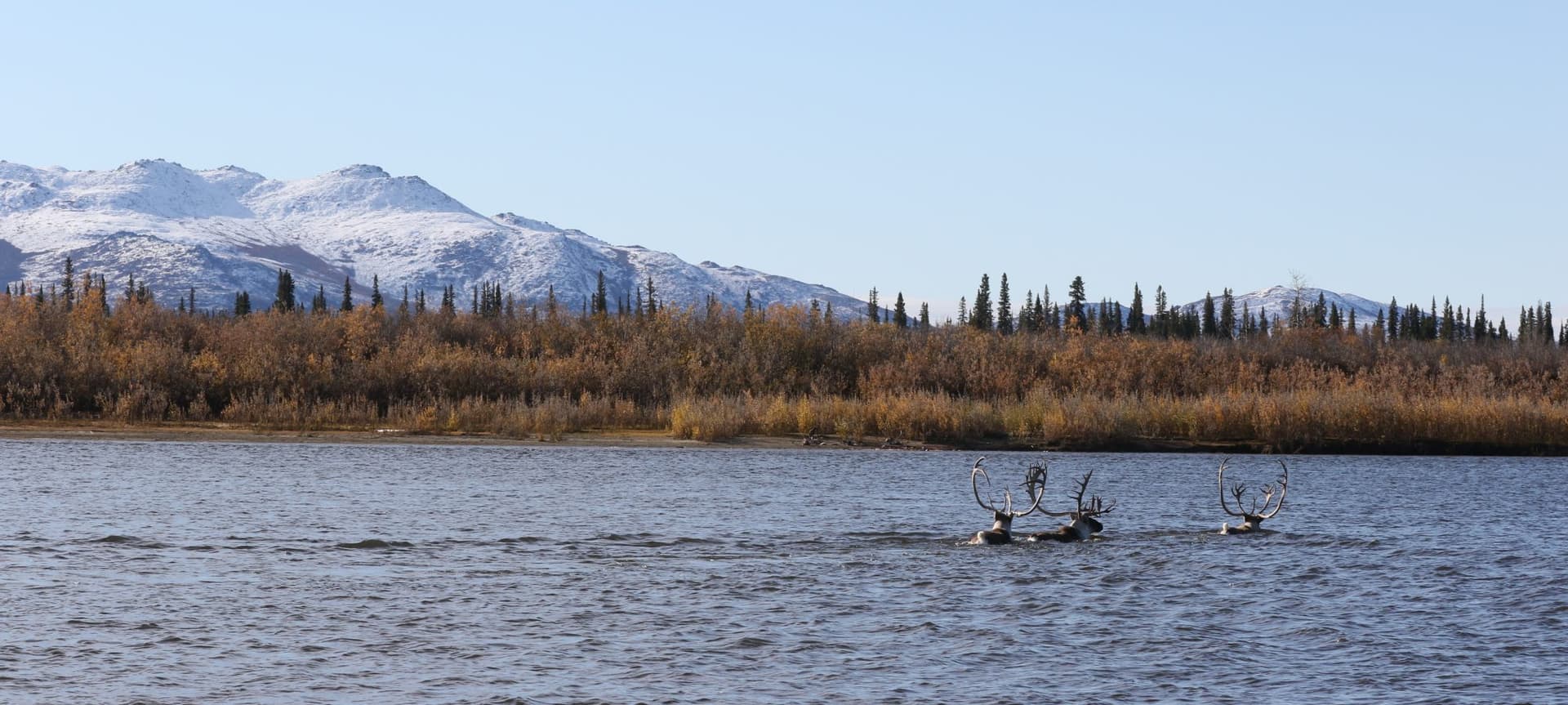
State wildlife biologists presented stark census results to the Western Arctic Caribou Herd Working Group on December 10, placing the herd at roughly 121,000 animals. Once nearing a peak of 490,000, the herd has fallen to levels not seen since the 1970s. The most recent count follows a 2023 survey that estimated 152,000 animals, indicating the decline is continuing.
Alex Hansen, a biologist with the Alaska Department of Fish and Game, emphasized that the central problem is adult survival rates, particularly among adult females. Current survival metrics are below the threshold managers say is necessary to halt population decline. At present population levels managers estimate the herd could sustainably support a hunt of roughly 5,800 animals, far below historical harvest objectives that sustained subsistence needs over generations.
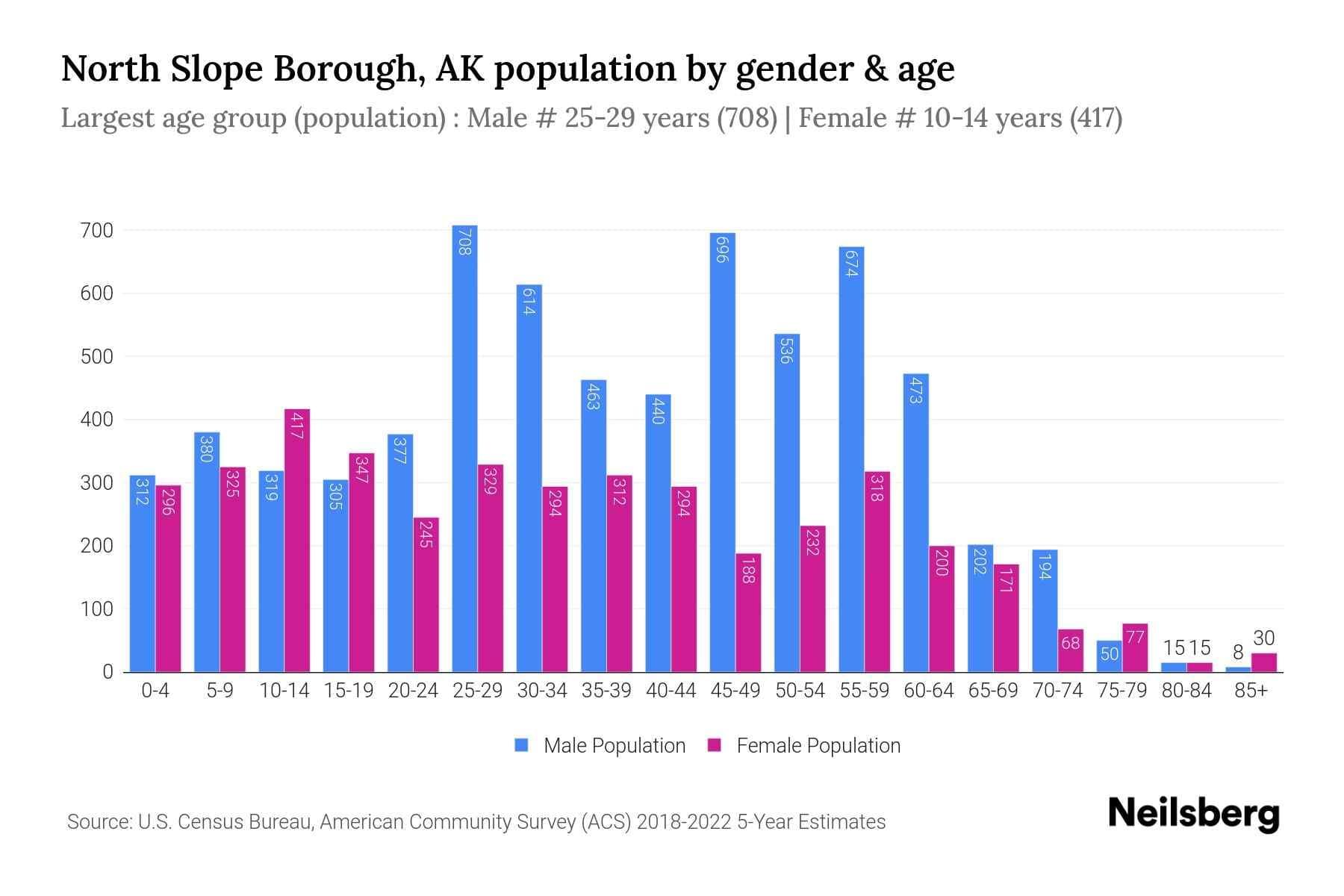
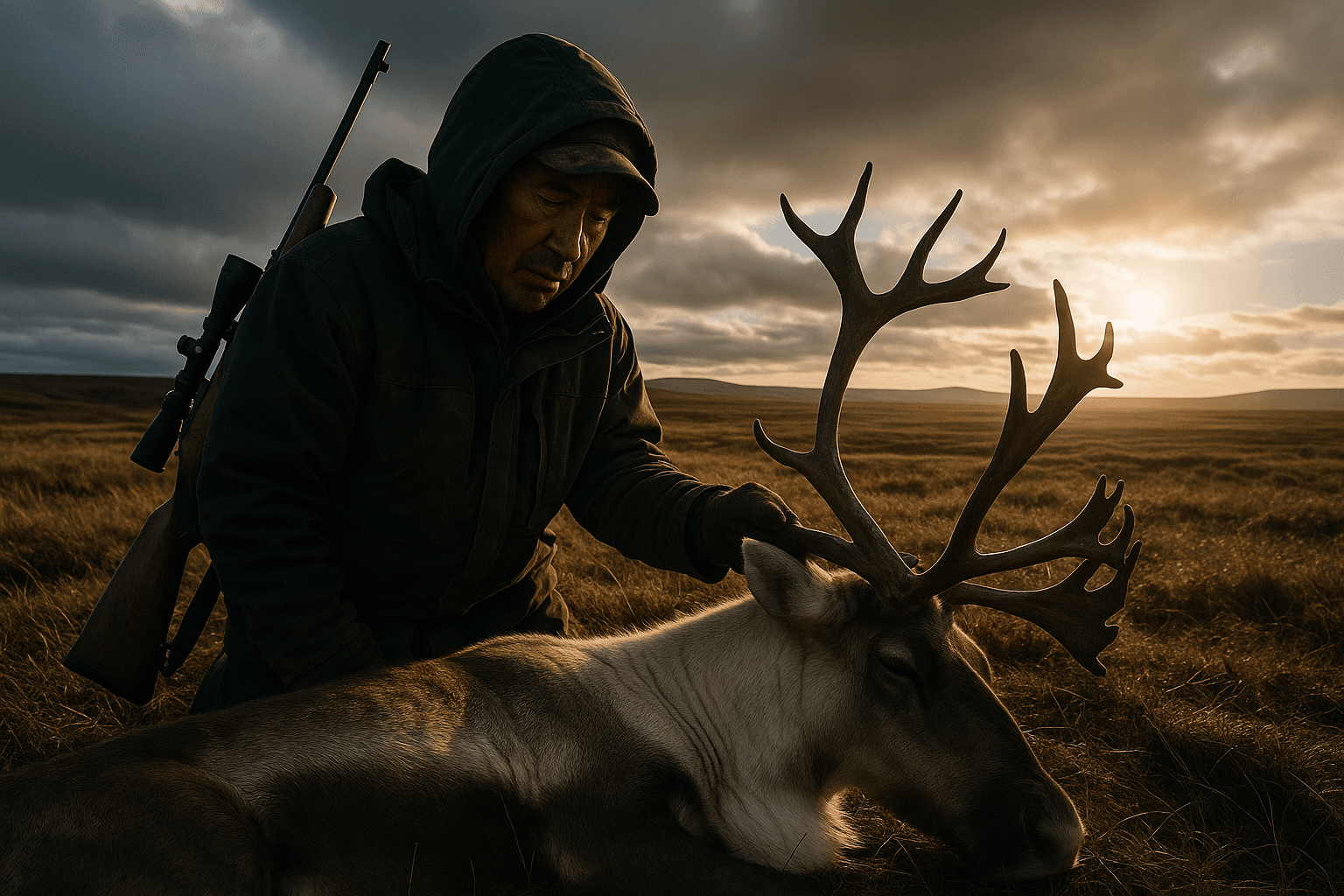
For North Slope residents who depend on caribou for food, cultural practice and community health, the implications are immediate. Reduced harvest opportunity threatens household food security, places added strain on families who already face high food costs, and raises public health concerns if traditional sources of protein and nutrients become scarce. Members of the Working Group who represent village subsistence users warned that further limits on harvesting, especially restrictions on taking females, will be painful for communities that rely on caribou to feed their families and to maintain cultural ties.
This decline fits a troubling Arctic wide pattern, as tundra caribou populations across the region have decreased over recent decades. The trend raises questions about broader environmental and ecological drivers, and about the capacity of current management frameworks to respond while protecting subsistence rights and community wellbeing.
Moving forward, managers will face difficult trade offs between conservation measures and the immediate needs of rural residents. Policy decisions will need to center equity, prioritize transparent collaboration with villages, and include support for household food security while monitoring survival trends. For communities on the North Slope the herd decline is not only an ecological story, it is a public health and social justice challenge that requires coordinated state response and meaningful inclusion of subsistence voices in management decisions.
Sources:
Know something we missed? Have a correction or additional information?
Submit a Tip