Utqiagvik cultural and civic sites guide, what residents need
A consolidated guide lays out Utqiagvik's principal cultural, educational, and municipal sites, with practical visitor information and local safety considerations. This matters because residents hosting visitors, community groups planning events, and officials coordinating services rely on clear, consolidated information about hours, seasonal access, and emergency protocols.
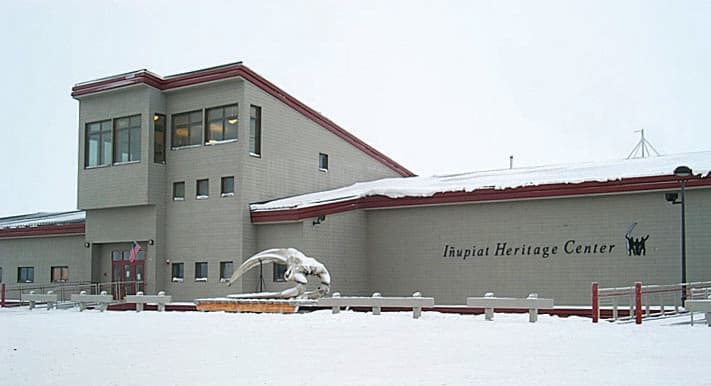
Utqiagvik’s community landmarks anchor education, culture, and civic life, and knowing where they are and how they operate matters for everyday residents and visitor planning. At the center of local higher education, Ilisagvik College serves as the region’s tribal community college and is the northernmost college in the United States. The Iñupiat Heritage Center offers museum exhibits and cultural programming including traditional dance and drumming, and is paired with the Tuzzy Consortium Library which serves both the public and Ilisagvik College students. The End of the Road at Point Barrow remains the primary coastal access point for visitors seeking the whalebone arch and local shoreline views.
Municipal functions are concentrated in North Slope Borough offices which provide administrative services and coordinate emergency response. Emergency services are a critical local resource given Utqiagvik’s extreme winter conditions and wildlife risks. Industrial and development zones such as Deadhorse and Prudhoe Bay provide employment and energy infrastructure but have limited local services for visitors, so travel and logistics there require advance planning.
Practical considerations shape daily life. Many cultural sites operate on seasonal schedules, and program offerings at the heritage center vary by season. Verify seasonal hours before arrival and confirm program schedules if you plan to attend traditional dance and drumming events. Be aware of unique safety risks including polar bears and severe winter weather, and coordinate with borough emergency services when hosting large groups or staging events near coastal or industrial areas.
Economically, these institutions support workforce development, cultural tourism, and public services that keep local spending circulating in the community. Ilisagvik College contributes to local skills and employment pathways. Cultural programming draws visitors who spend on lodging, transport, and services, but limited commercial capacity in industrial areas constrains where visitors can be safely accommodated. Policy coordination that aligns cultural programming, visitor information, and emergency planning can reduce costs and support sustainable local tourism.
Looking ahead, shifting Arctic conditions may change seasonal access and visitor volumes, increasing demand on infrastructure and cultural institutions. Residents, event organizers, and officials should use this consolidated information to manage visits, protect community assets, and plan for long term resilience.
Sources:
Know something we missed? Have a correction or additional information?
Submit a Tip