North Slope Borough releases community population snapshot, planning tool
A new listing of communities across the North Slope Borough was released on December 10, 2025, providing updated population counts for nine communities. The snapshot matters because population figures drive planning for health services, emergency response, public funding, and equitable distribution of resources across remote villages.
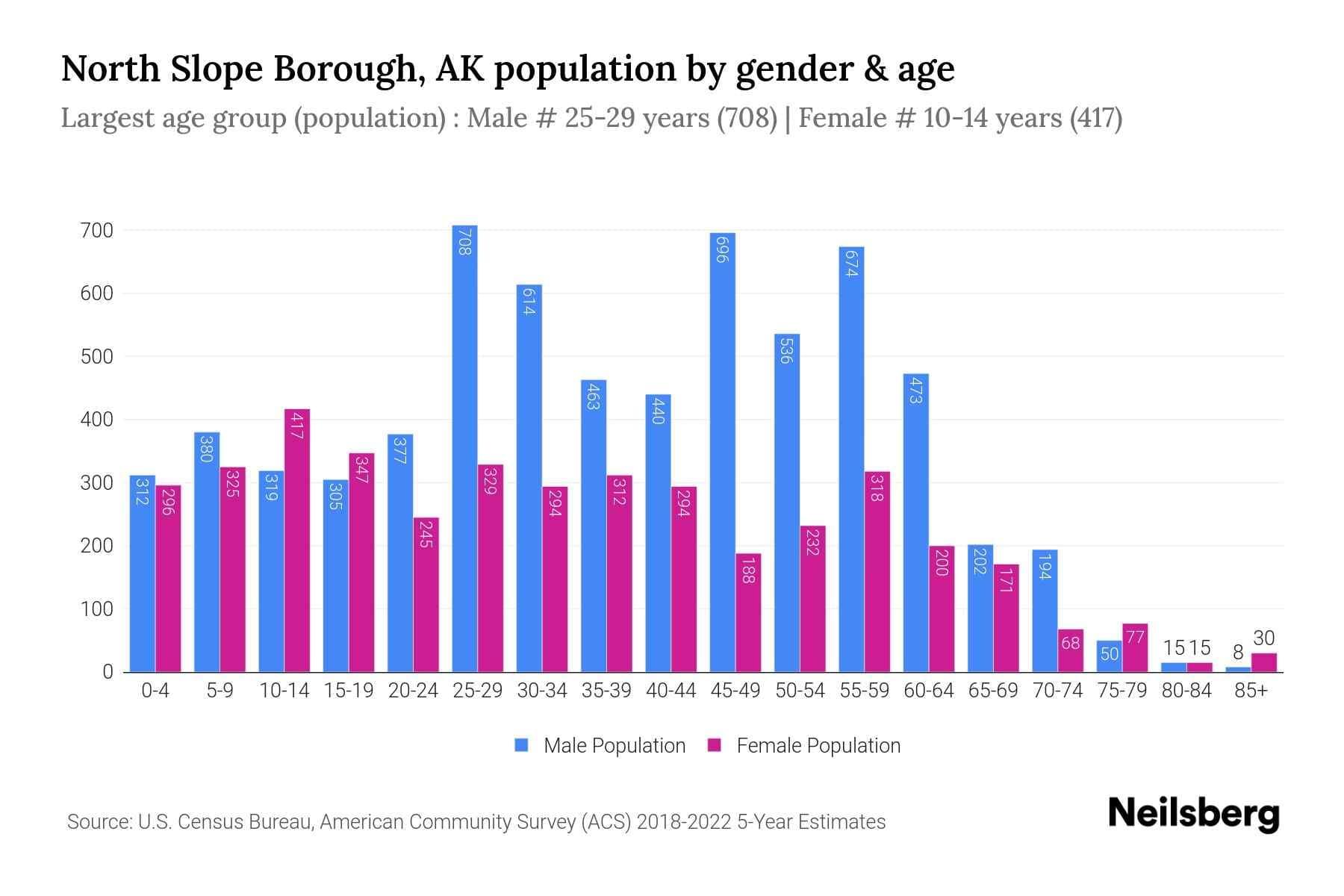
Officials posted a concise directory of the boroughs towns on December 10, 2025, identifying nine communities and their population totals. The listing names Anaktuvuk Pass with a population of 277, Atqasuk with 139 residents, Kaktovik with 153, Nuiqsut with 529, Point Hope with 721, Point Lay with 288, Prudhoe Bay with 1,971, Utqiagvik with 4,850, and Wainwright with 612. Those numbers provide a baseline for local leaders and service providers as they plan for health care, infrastructure, and emergency services.
Updated head counts matter in a region where small changes in population can alter the scale of medical staffing needs, vaccine clinic planning, and funding allocations. Utqiagvik remains the largest community, with nearly five thousand residents, while several villages report populations under three hundred. For front line health workers and tribal health organizations, that uneven distribution underscores persistent challenges in delivering timely care to remote sites, maintaining continuum of care for elders and families, and scaling mental health and substance use services in culturally appropriate ways.
The snapshot also has direct implications for emergency preparedness. Arctic winters and shifting sea ice patterns increase risks that depend on rapid medical evacuation and local response capacity. When one community counts several hundred people and another counts a few thousand, planners must balance investments in local staff, telehealth capability, and reliable transport to make sure everyone has access to care and timely emergency evacuation when needed.
Beyond logistics, the population figures highlight equity questions about funding formulas, broadband access, and workforce development. Smaller population totals can translate into less visible political power and thinner budgets even as needs remain high. Community leaders and the borough assembly can use this data to press for resources that account for distance, cost of living, and cultural services that support health and resilience.
Residents should expect local leaders and health providers to use these updated numbers for short term clinic planning and longer term strategies for workforce recruitment, elder care, and emergency readiness. Accurate counts are a first step, but ensuring equitable health outcomes will require investment and policy attention that reflect the realities of life on the North Slope.
Sources:
Know something we missed? Have a correction or additional information?
Submit a Tip