Carney's Beijing visit aims to reset ties and expand markets
Canadian prime minister Mark Carney is in Beijing for a four-day mission to repair relations with China and secure new export markets, a move with major trade and security implications.
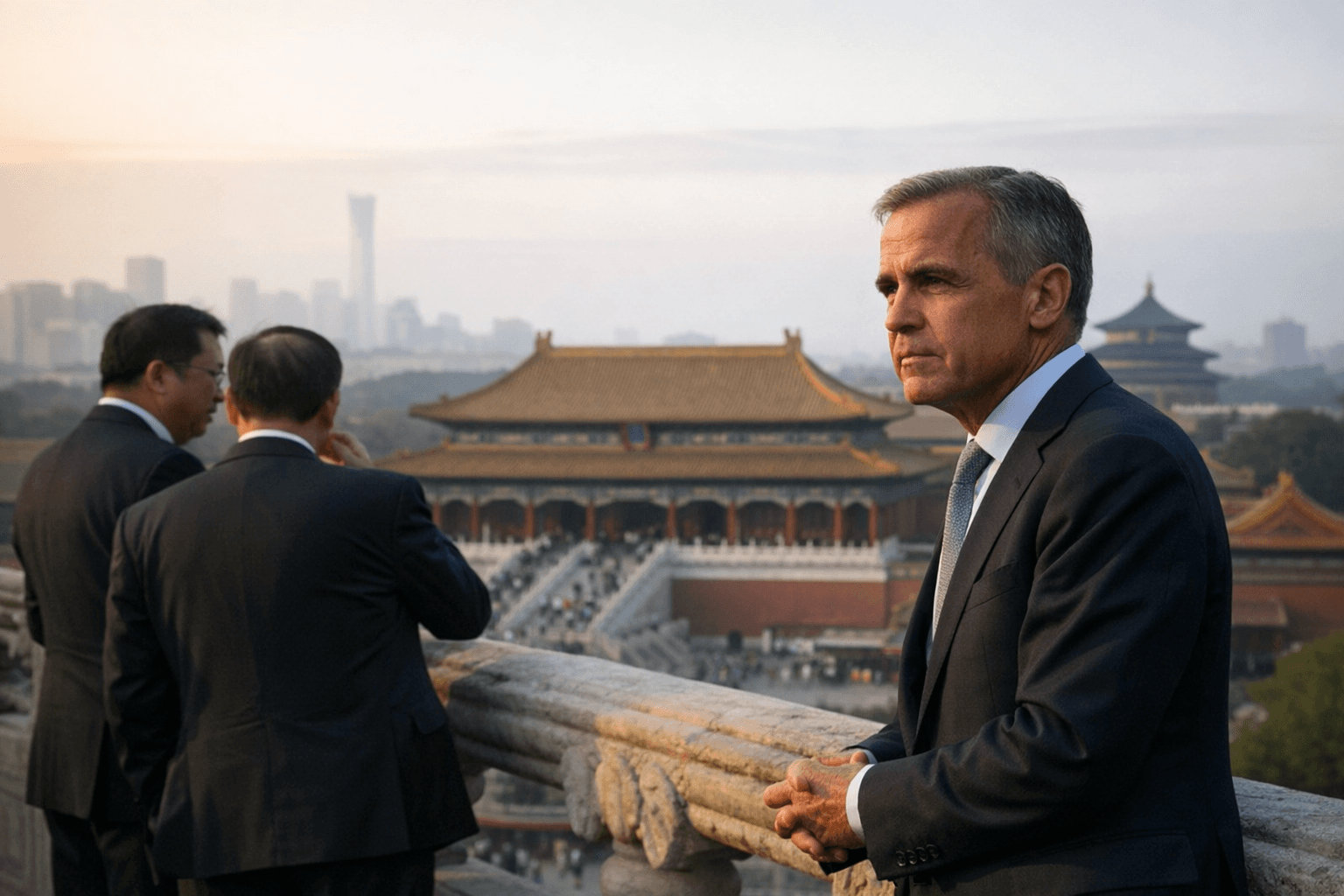
Mark Carney arrived in Beijing on the night of Jan. 14 and opened a four-day state visit intended to recalibrate Canada-China relations and secure new buyers for Canadian goods. The trip marks the first visit by a Canadian head of government to China since 2017 and carries high symbolic weight as Ottawa presses to diversify trade away from a dominant United States market.
Chinese Foreign Minister Wang Yi called the mission a "turning point," and senior Canadian officials have described the visit as both "consequential" and "historic." Carney is scheduled to meet Premier Li Qiang and, in a one-on-one session on Friday, President Xi Jinping. He will also see Zhao Leji, chairman of the Standing Committee of the National People’s Congress. Canadian Foreign Affairs Minister Anita Anand, who accompanied Carney, told officials in Beijing that Canada intends to "double non-U.S. trade over the 10 years," framing the visit within a broader economic strategy.
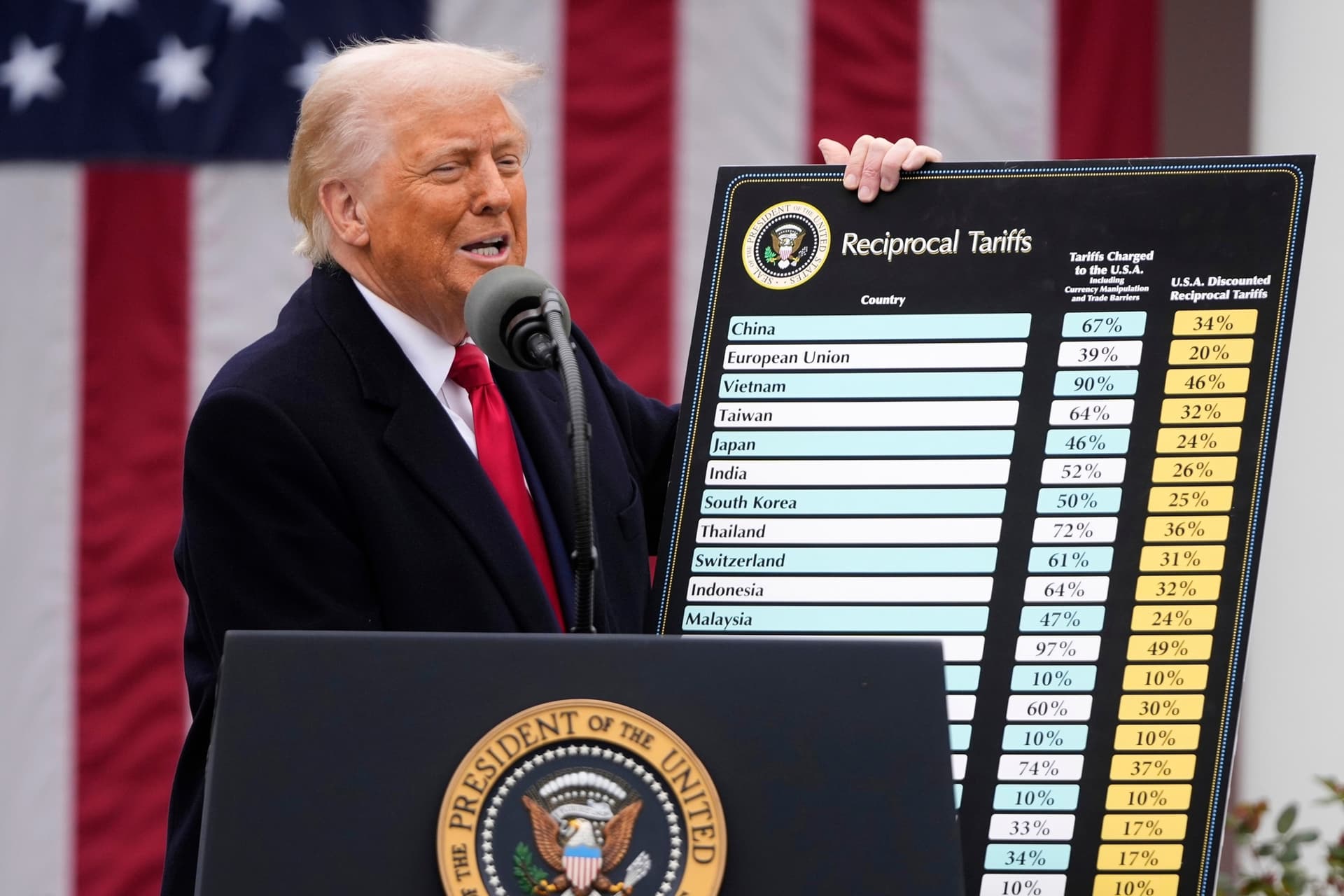
The agenda centers on trade, agriculture and international security. Negotiations will test whether Beijing and Ottawa can convert diplomatic goodwill into concrete market access and tariff relief. Ottawa remains focused on getting China to roll back tariffs imposed during earlier disputes and on addressing a 2024 Canadian levy on Chinese electric vehicles. Officials briefed said talks on lowering recently imposed tariffs, including the outstanding Canadian tariff on Chinese EVs, were ongoing but unresolved at the time Carney departed Ottawa and might not conclude during the visit. Beijing has previously imposed retaliatory tariffs on some Canadian agricultural exports, including canola.
The visit unfolds against a decade of fraught ties. Relations plunged in 2018 after Canada detained a Huawei executive at a U.S. request and Beijing detained two Canadians in apparent retaliation; all three were released in 2021 following legal settlements abroad. Ottawa has since heightened concerns about political interference and espionage linked to China, raising public distrust and complicating rapprochement. Those security and governance concerns are integral to the domestic debate Carney must manage while seeking economic gains.
Carney’s delegation was greeted at the airport by ambassadors from both countries and senior Chinese customs and Communist Party officials, underscoring Beijing’s intent to project state-level importance to the trip. The presence of customs leadership signals that trade technicalities will be a focal point alongside high politics, and Canadian officials hope to secure incremental improvements that can be presented domestically as progress on market diversification.
Observers caution that, even if Beijing extends concessions, deeper strategic trust will remain difficult to restore on a single mission. Analysts described the trip as a "recalibration and change in tone," noting the narrow window for substantive agreements. For Ottawa, the calculus is pragmatic: pressing for new customers to shield exports from bilateral and geopolitical shocks while balancing allied concerns about security, human rights and foreign interference. The outcome of Carney’s meetings will therefore be judged not only by immediate tariff shifts but by whether they establish mechanisms for continued negotiation and greater transparency between two economically linked but politically wary nations.
Know something we missed? Have a correction or additional information?
Submit a Tip