Supreme Court delays ruling on Trump’s sweeping global tariff powers
The Supreme Court again withheld its opinion on challenges to President Trump's April 2025 tariffs, prolonging legal and economic uncertainty for businesses and markets.
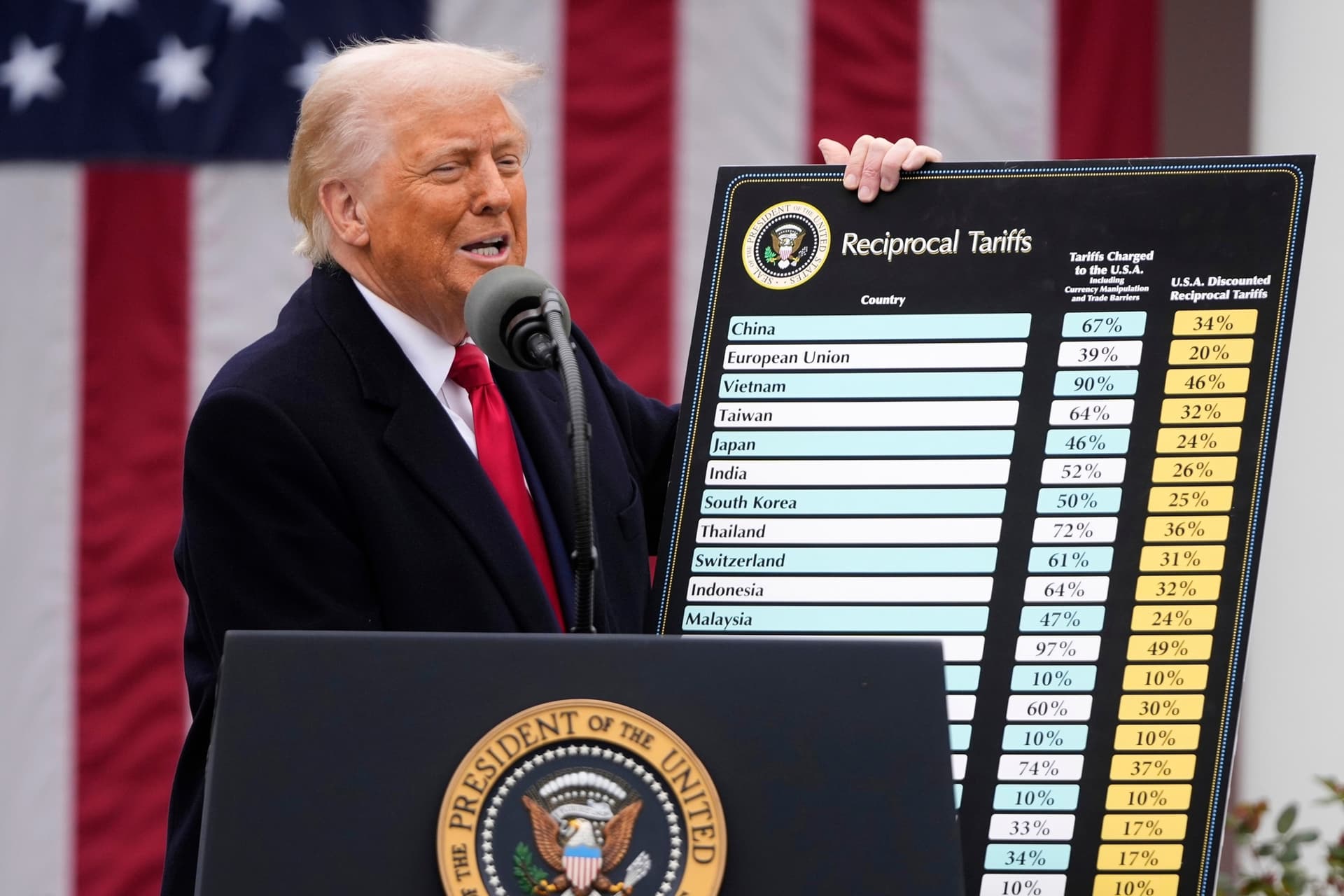
The U.S. Supreme Court once again declined to release a long-anticipated decision on legal challenges to the tariffs President Donald Trump announced on April 2, 2025, leaving unresolved whether the administration exceeded its statutory authority in imposing broad import duties. The court issued several other opinions on the scheduled day but held back the opinion on the so-called Liberation Day tariffs, which imposed levies of roughly 10 percent to 50 percent on many imports and added targeted duties on goods from Canada, Mexico and China that the administration framed as measures to address fentanyl trafficking.
At the center of the dispute is the administration's invocation of the International Emergency Economic Powers Act of 1977, commonly known as IEEPA, a national emergency statute that grants presidents certain economic tools. Plaintiffs, including states and a coalition of businesses, contend that IEEPA does not explicitly authorize the use of tariffs and that no prior president relied on IEEPA to impose comparable import duties. Lower courts last year concluded that the president exceeded IEEPA authority in imposing many of the country-specific measures, setting up a potentially consequential ruling on the scope of executive emergency powers.
The Supreme Court's decision to withhold the opinion adds to a pattern of delayed rulings on high-profile disputes involving the president. The court, now with a 6-3 conservative majority, also deferred rulings earlier on contested issues tied to the administration, leaving multiple matters unresolved into 2026. Legal scholars and court observers note that postponing major decisions can shape outcomes by allowing justices more time to reconcile internal divisions or await developments that affect practical consequences.
Practical stakes in the tariff litigation are substantial. A ruling for the challengers could prompt complex questions about refunds for duties already collected, potential liabilities for importers and distributors, and cascading effects across supply chains and international trade relationships. Business groups and market analysts have warned that uncertainty alone has real costs for planning and investment. Some observers interpret the continued delay as a possible modest sign for the administration, though the court offers no public indication of its internal deliberations.
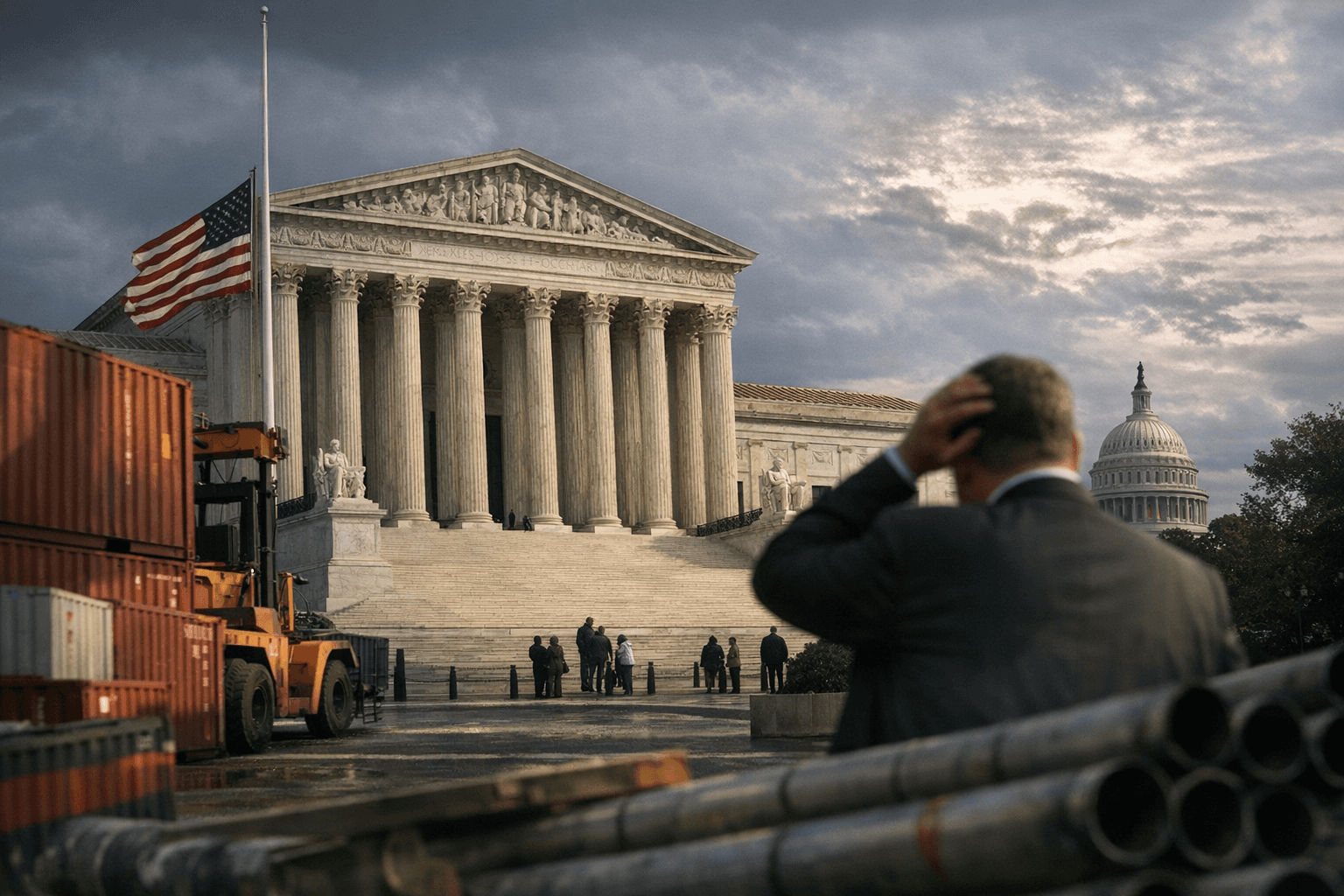
The administration has maintained a public defense of the tariffs, arguing they are necessary to protect national security and domestic industries and to combat illicit fentanyl flows. The president reiterated that stance on social media and cautioned that striking down the measures could produce harmful economic effects and difficult refund obligations. Importers, customs brokers and trade lawyers who had expected a ruling on the scheduled opinion day were left without clarity on compliance risks and potential financial exposure.
The Supreme Court indicated the case remains on an expedited track, but it provided no firm date for issuing the tariff opinion. The next possible decision date could arrive at an upcoming opinion day, though that timing is not guaranteed. Until the court issues a written opinion, the legal status of the tariffs and the broader question of presidential authority under IEEPA will remain unresolved, extending uncertainty for markets, government agencies and international partners.
Sources:
Know something we missed? Have a correction or additional information?
Submit a Tip