Cassidy Seeks Sixty Votes, Pushes HSA Plan For Health Care
Senator Bill Cassidy is advancing a health care proposal that would move people enrolled in the Affordable Care Act to lower premium bronze plans while placing funding into Health Savings Accounts, and he says the measure could attract bipartisan support. The plan touches the core debate over who pays for medical care, and its fate will test party unity and legislative math in the final weeks of the congressional session.
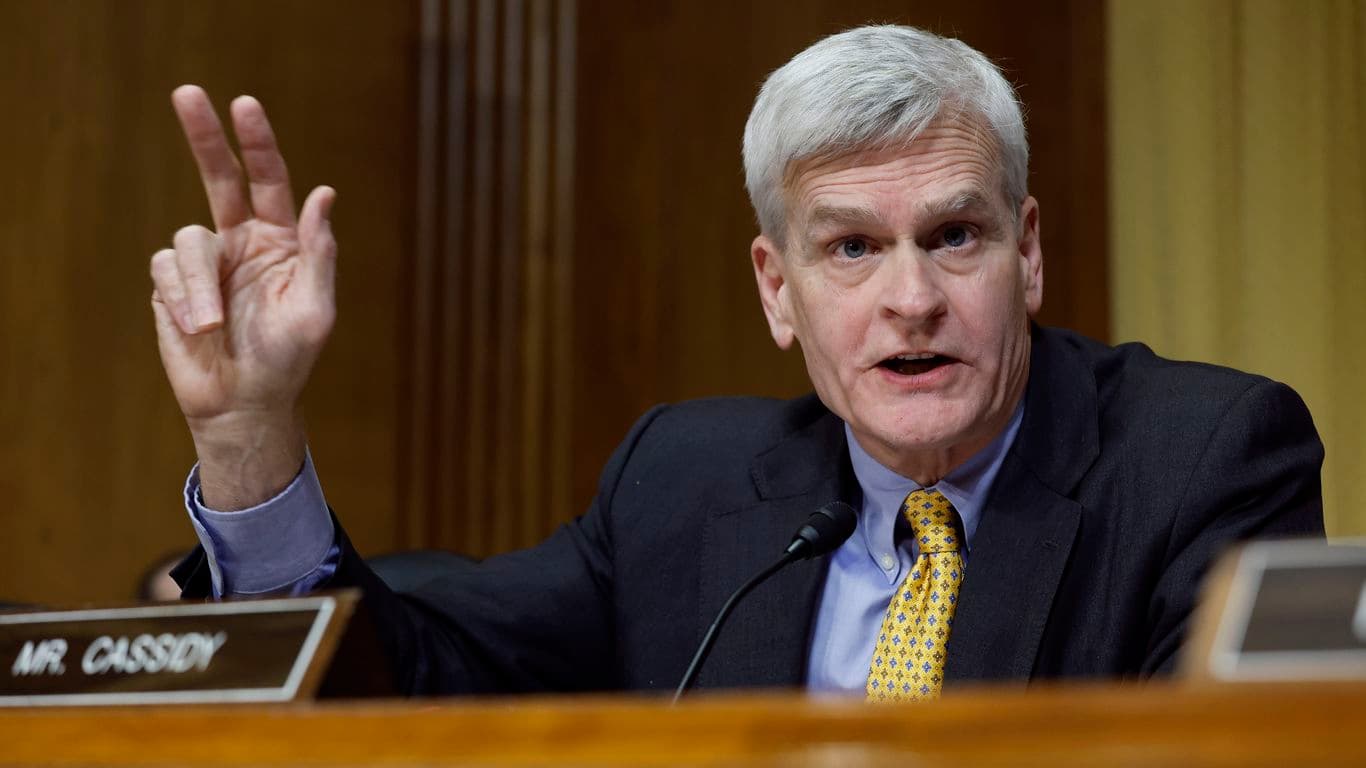
Senator Bill Cassidy is pressing Republican leaders to advance a health care overhaul built around Health Savings Accounts, asserting the measure could win the 60 votes needed in the Senate to overcome a filibuster. The proposal would encourage or shift individuals now enrolled through the Affordable Care Act into lower premium bronze level plans while directing government funding into HSAs to offset out of pocket costs.
Cassidy, who chairs the Senate Health, Education, Labor and Pensions Committee, is presenting the initiative as a bid to expand consumer choice and increase financial control over health care decisions. He says he has engaged Democrats in discussions and that there is bipartisan interest, and he plans to lay the proposal before Republican leadership imminently. The timing places pressure on party leaders to reconcile competing priorities before the calendar year ends.
House Speaker Mike Johnson is working to unify Republican leaders and has indicated a vote could be scheduled before year end, according to Republican officials briefed on internal planning. House Majority Leader Steve Scalise has offered a less definitive timeline, leaving the scheduling of any House action uncertain even if the Senate moves forward. At the same time, other legislative options remain in play, including proposals to extend existing premium subsidies for one year or two years, a path that would sustain current Affordable Care Act support while lawmakers continue negotiations.
Policy analysts and Democratic lawmakers have been quick to criticize Cassidy's approach, arguing the plan does not address the underlying drivers of rising health care costs and instead shifts payment responsibilities. Health policy experts have raised particular concerns about the suitability of HSAs for lower income Americans and those with chronic conditions, noting that lower premium bronze plans typically carry higher deductibles and out of pocket expenses. Critics contend that moving people into such plans could increase financial strain even with HSA funding, and that the structure could leave many patients exposed to higher costs at the point of care.
Former President Donald Trump has offered general support for an HSA centered approach but has not endorsed specific policy details, leaving open the degree to which high profile Republican voices will influence rank and file votes. The political arithmetic in the Senate remains the central obstacle. Securing 60 votes requires both cross aisle cooperation and intraparty cohesion among Republicans who vary in their appetite for market oriented health reforms.
As Cassidy prepares to present the plan, the debate will test institutional dynamics in Congress over how to reconcile short term stability in coverage with longer term reforms. Voters whose coverage and premiums could be affected will be watching whether lawmakers prioritize immediate subsidy extensions or a more structural shift toward HSAs and lower premium plans. The coming weeks will determine whether Cassidy's effort is a plausible path to bipartisan legislation, or a partisan gambit that shifts the terms of the health care debate without delivering broad consensus.