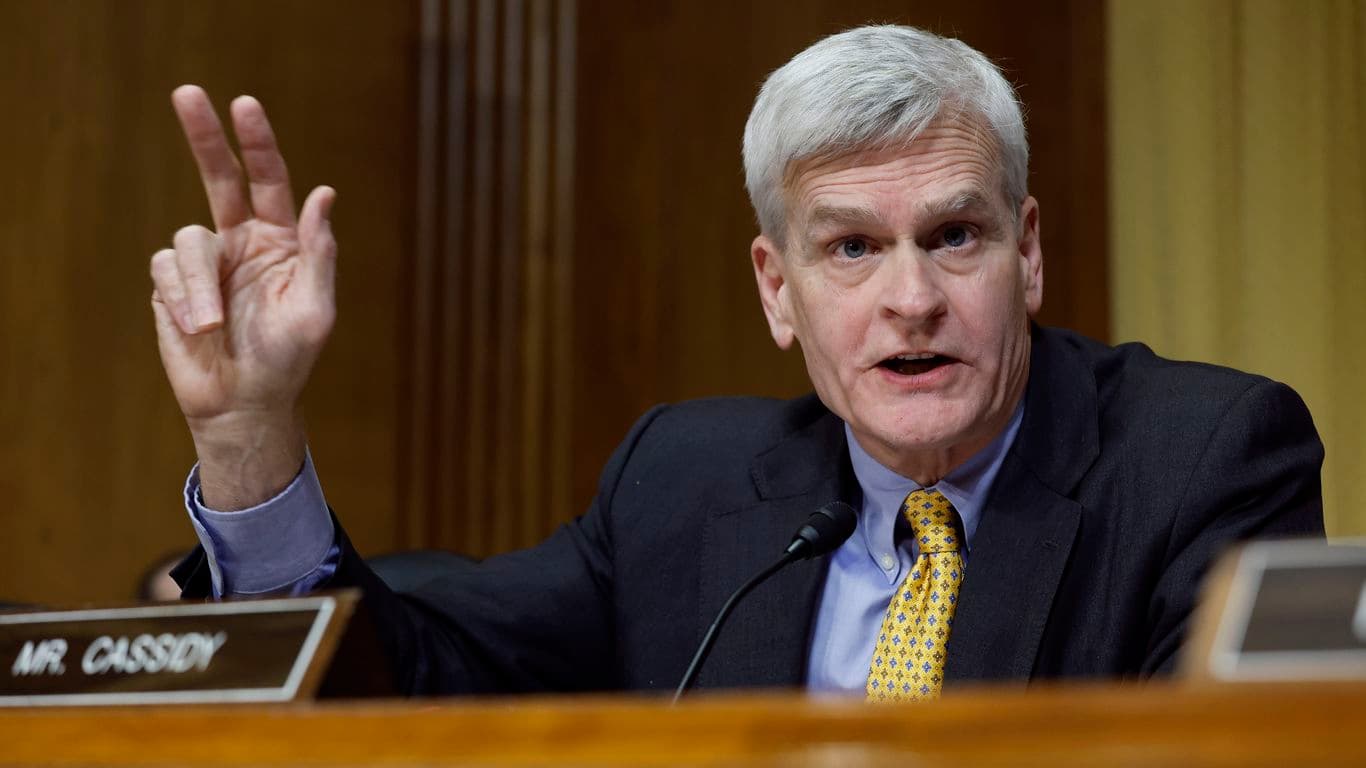
Tiny Honduran Town Could Decide Nation's Closest Presidential Contest
Residents of San Antonio de Flores are voting in a delayed election that has turned this rural community into the potential tipping point in Honduras's tightest presidential race. The outcome will test the credibility of electoral institutions, shape international relations, and determine whether a U.S backed candidate can hold a razor thin lead.
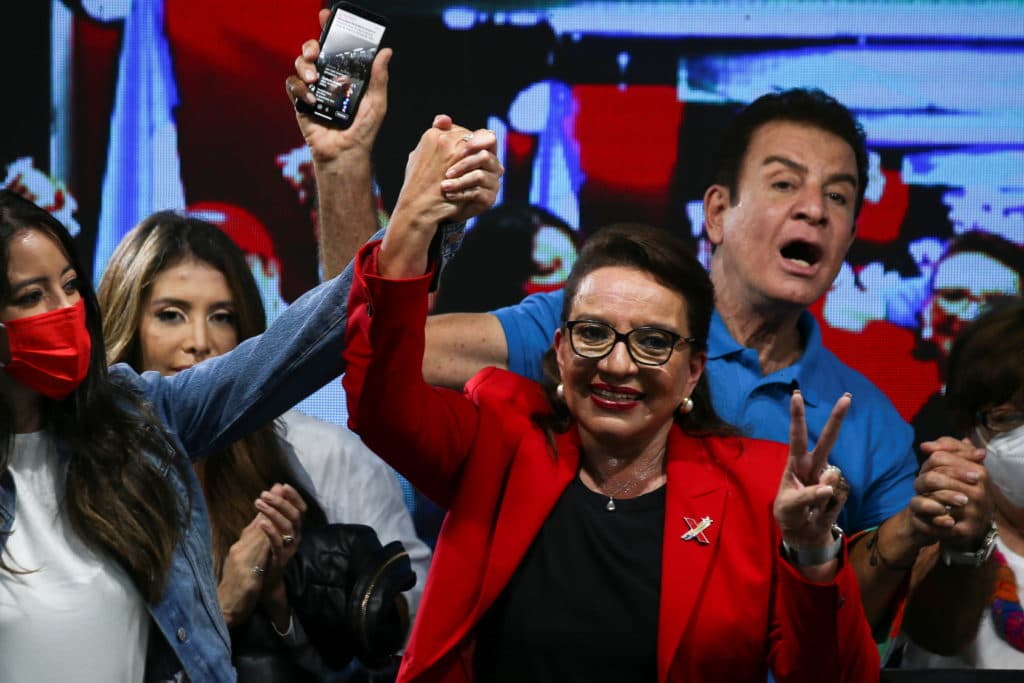
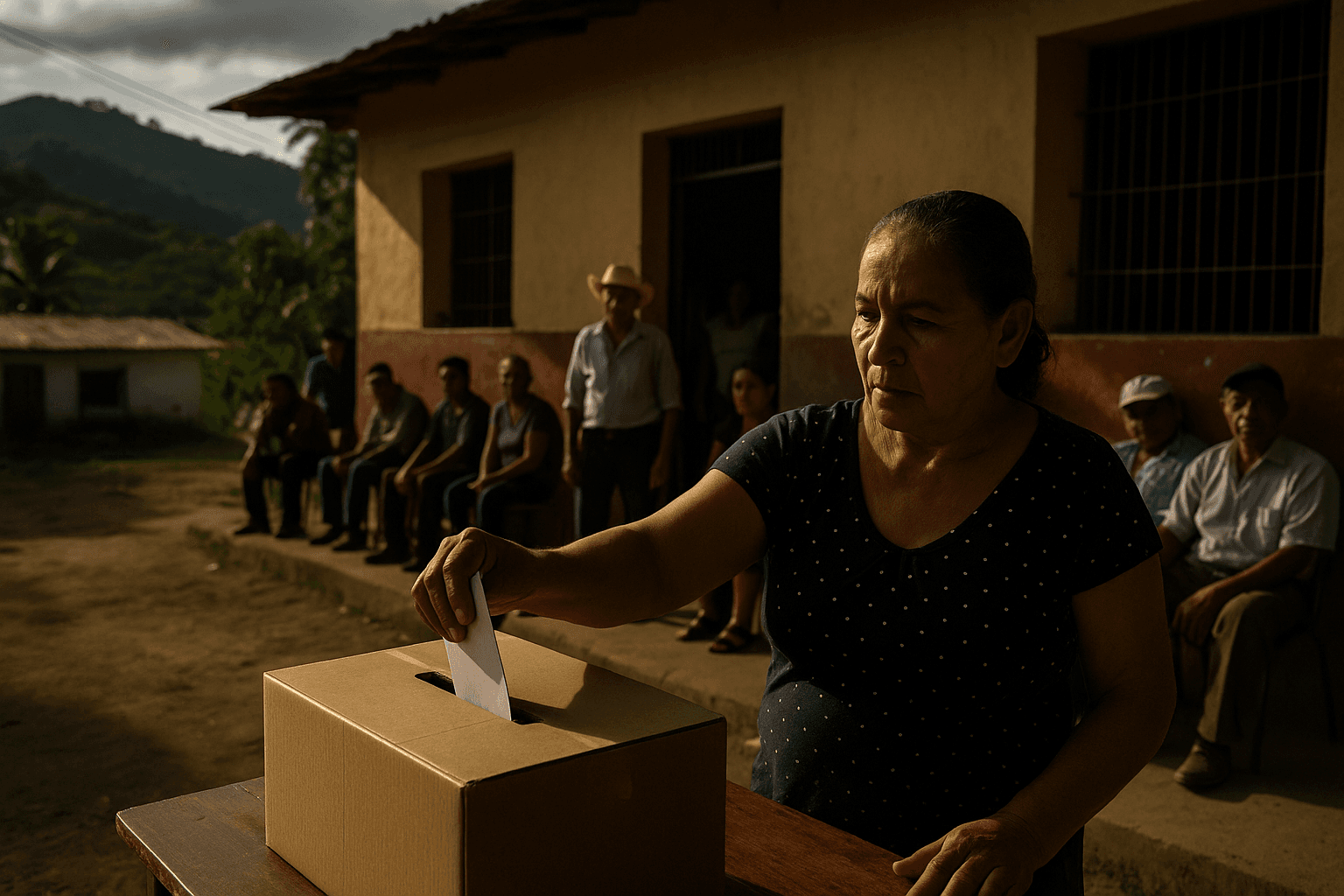
Residents in San Antonio de Flores are casting ballots on Sunday in a delayed vote that has made this farming town the unlikely center of Honduran politics. A week after the rest of the country went to the polls, hundreds of soldiers patrolled streets at dawn and local voters lined up at makeshift polling stations to decide an election whose national outcome hangs by the slimmest of margins.
The delay dates to November 30 when local officials shut down polling following accusations of sabotage and fraud. The town, located about a three hour drive on dirt roads from the capital Tegucigalpa, has 4,996 registered voters. In a contest where nationwide results show the two front runners narrowly separated, the ballots here could determine which candidate wins the presidency.
The event has drawn heavy attention and high stakes last minute campaigning. Salvador Nasralla of the center right Liberal Party arrived by helicopter on Saturday for a final push and told supporters that "Every vote, no matter how insignificant they seem, matters." His presence underscored the extraordinary weight now carried by this rural electorate.
The election has been clouded by broader operational problems across Honduras. Ballot processing delays and unsubstantiated allegations of voter fraud have slowed the count and widened mistrust among voters and political actors. President Donald Trump publicly threw his weight behind Nasry Asfura of the conservative National Party and warned earlier this week that "there will be hell to pay" if preliminary results showing Asfura narrowly ahead were altered as counting continued. The intervention by a major foreign leader has further internationalized a dispute that began as a domestic administrative breakdown.
Institutional implications are significant. Election delays in a single municipality have amplified questions about the robustness of Honduras's electoral management, chain of custody for ballots, and the capacity of local authorities to administer voting without disruption. The deployment of soldiers is presented as a measure to guarantee order and safety, yet it also raises concerns about the optics of security force involvement in contested civic processes and the potential to intimidate voters in a highly polarized environment.
For Honduran democracy the stakes are practical and symbolic. A razor thin margin decided by fewer than five thousand voters would heighten demands for transparent recounts, legal challenges, and independent oversight. It would test the impartiality of domestic electoral institutions and could prompt calls for international observers or mediation to preserve public confidence in the outcome.
At the local level civic engagement is visible. Despite the isolation of San Antonio de Flores and the disruption of the original voting schedule, residents turned out to the polls. That turnout underscores the consequential nature of individual ballots in tightly contested races and the broader imperative for electoral systems to protect the integrity of every vote.
As counting continues elsewhere and results from San Antonio de Flores are incorporated, the country faces a pivotal moment for governance. The next hours will tell whether the institutions overseeing the vote can deliver a result accepted across the political spectrum, or whether disputed procedures will deepen divisions and complicate the transfer of power.