Chicago Fed president warns attacks on Powell could fuel higher inflation
Austan Goolsbee defended Fed Chair Jerome Powell and warned that legal and political pressure on the central bank risks undermining inflation control and market confidence.
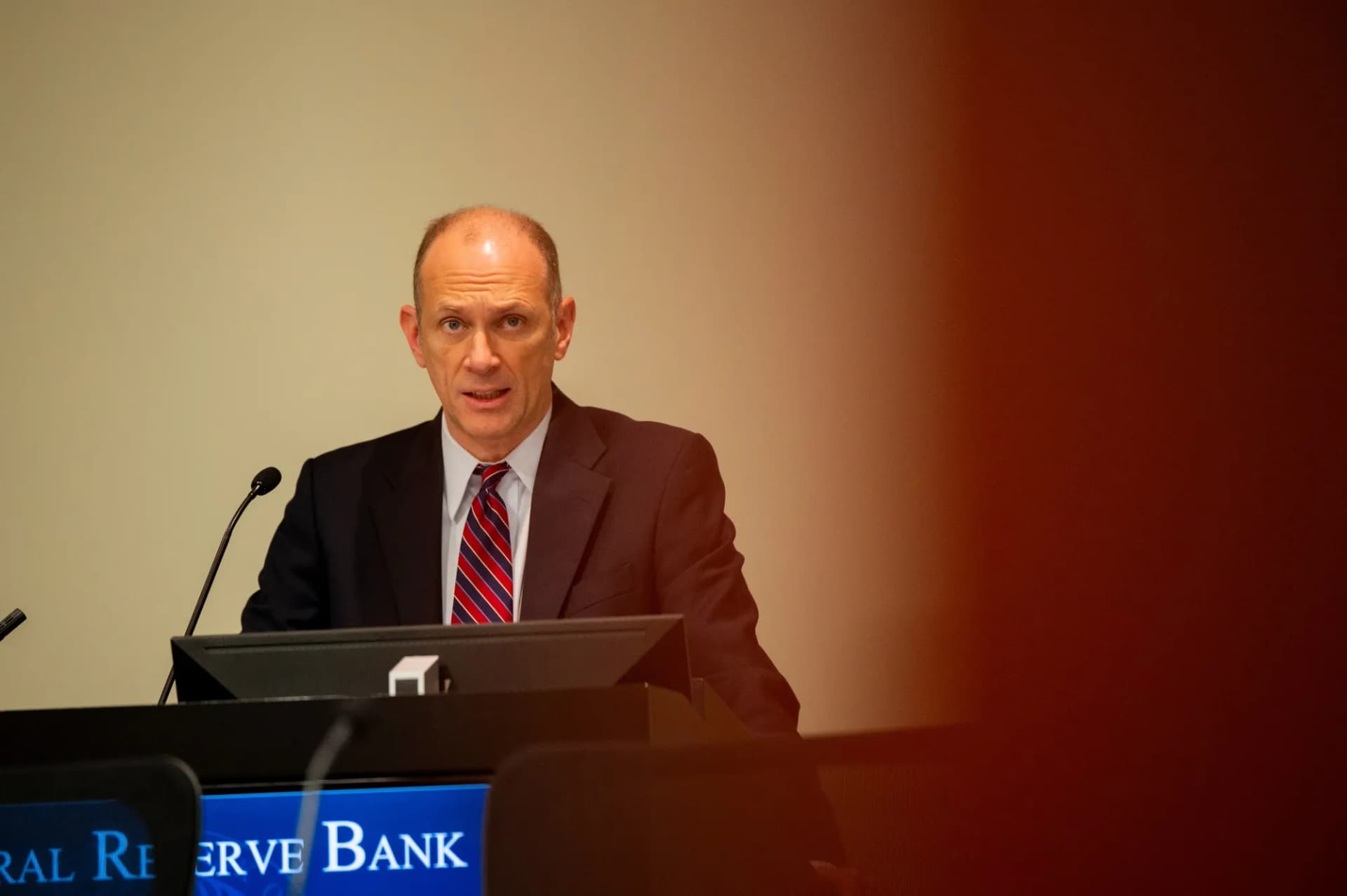
Austan Goolsbee, president of the Federal Reserve Bank of Chicago, offered a robust defense of Federal Reserve Chair Jerome Powell and issued a blunt warning that political and legal assaults on the Fed's independence could translate into higher inflation for American households.
In an interview with National Public Radio, Goolsbee called Powell "a first‑ballot hall‑of‑fame Fed chair" and cautioned, "If we're going to get into a circumstance where the independence, or even the integrity, of Chair Powell is in question, we're in a bad spot." He framed the dispute over Powell as more than a personal controversy, arguing that "the independence of the Fed couldn't be more important for the long-run inflation rate in this country" and that attacks on that independence "make that problem worse." He added that "we've spent the last five years fighting to get the inflation rate down."
The remarks come after the Justice Department issued subpoenas to the Federal Reserve and to Powell over statements he made to the Senate about cost overruns on a roughly $2.5 billion renovation of the Fed's Washington headquarters. The subpoenas have been described by Justice Department officials as part of a criminal inquiry into Powell's statements. In a video released privately and summarized publicly, Powell characterized the action as "a pretext" and linked the escalation to political pressure for easier monetary policy.
The confrontation has drawn unusually broad attention from central bankers, markets and lawmakers. Leaders of several major foreign central banks issued a forceful statement defending the Fed's ability to operate free from political interference. The international rebuke underscored concern among global policymakers that U.S. political moves could imperil the credibility of monetary policy not just domestically but worldwide.
Business leaders also signaled alarm. Senior executives on Wall Street warned that the subpoenas and related political pressure risked undermining bond markets and investor confidence in the Fed's ability to act independently. In Congress, some Republican senators threatened to block or delay any nomination by the president to succeed Powell while the Justice Department inquiry remains open, raising the prospect of prolonged uncertainty over Fed leadership heading into the spring.
Within the central bank community the reaction was not entirely unified. Fed Governor Stephen Miran said the foreign central banks' statement defending Powell was inappropriate. Several regional Fed presidents and policymakers publicly backed Powell and emphasized the broader stakes for monetary policy.
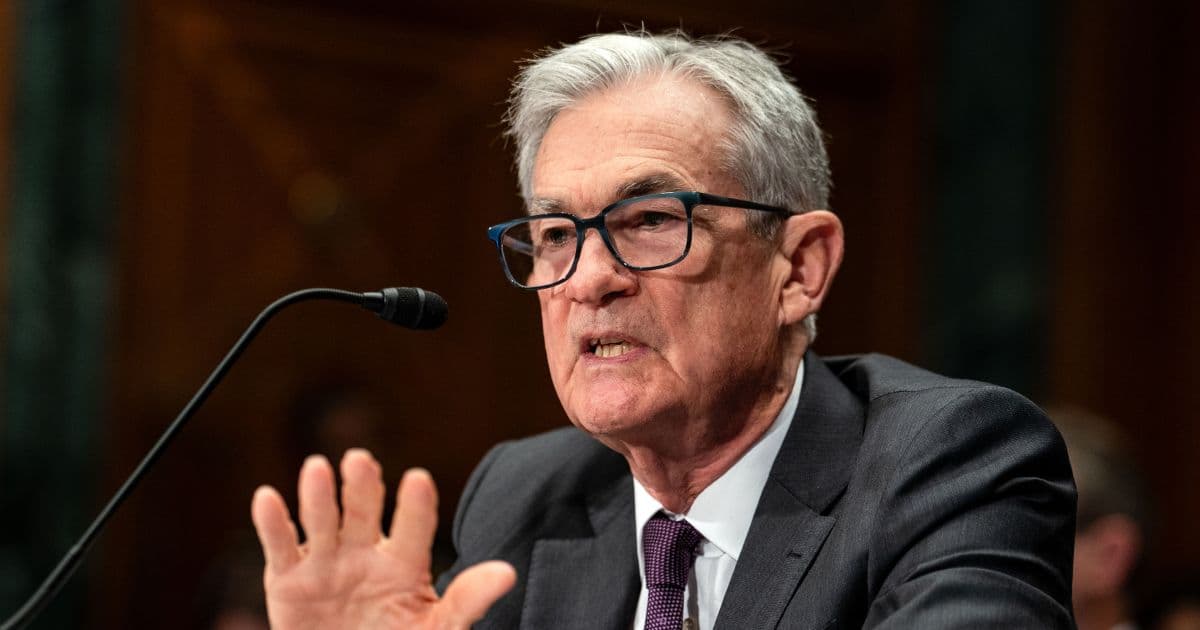
Powell's term as chair expires in May, and the timing of the subpoenas has introduced immediate questions about the nomination and confirmation process for the Fed's top job. Economists and officials warn that sustained political intervention could complicate the Fed's trade-offs between employment and price stability, elevating the risk that short-term political objectives lead to looser policy and renewed inflationary pressures.
For policymakers, markets and voters, the stakes are concrete: weakening the norms that protect central bank decision making could raise borrowing costs and erode the long-term gains achieved in bringing inflation down, reversing years of policy work aimed at stabilizing prices.
Know something we missed? Have a correction or additional information?
Submit a Tip