Trump signals no immediate move to oust Fed chair Powell
President Trump said he has no immediate plan to remove Jerome Powell despite a Justice Department probe; the decision could reverberate through markets and central bank credibility.
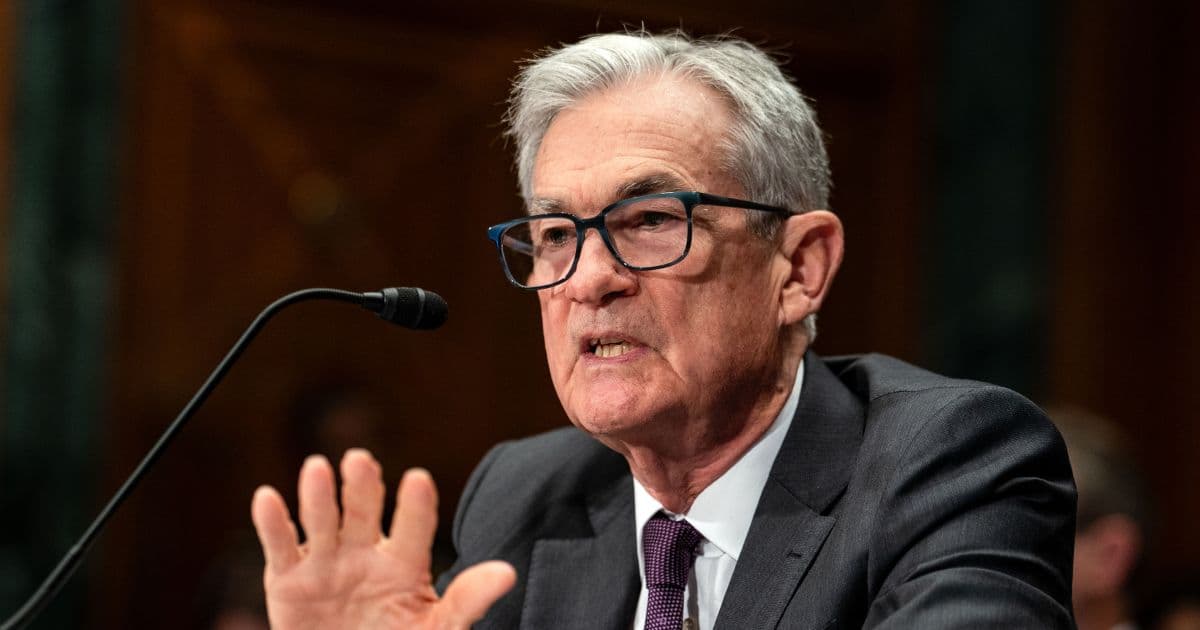
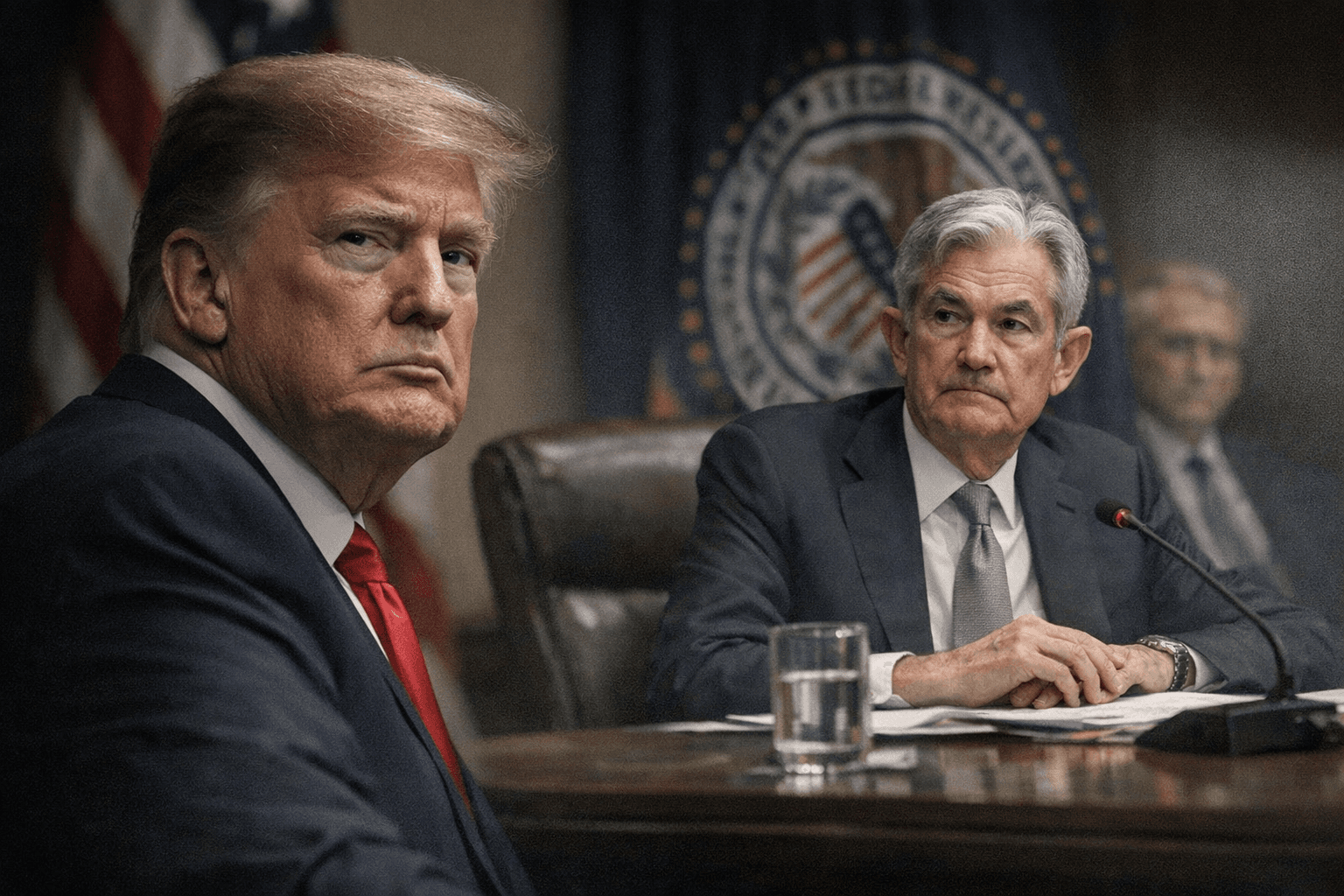
President Donald Trump said he had no immediate plan to remove Federal Reserve Chair Jerome Powell even as a Justice Department criminal probe has touched matters linked to the central bank. Asked about Powell’s future, the president said, “I don’t have any plan to do that,” while adding it was “too early” to say what he would ultimately decide.
The inquiry has involved grand jury subpoenas served to the Federal Reserve, tied to a renovation project and Powell’s testimony to Congress, and has prompted Powell to warn that the probe risks serving as a pretext for broader pressure on monetary policy. The specifics of any allegations or charges under investigation have not been made public and prosecutors have not filed court documents detailing formal accusations.
Trump made clear he views the dispute through a political and business lens, saying a president “should have something to say” about Fed policy and quipping, “I made a lot of money with business, so I think I have a better understanding of it than Too Late Jerome Powell.” He also adopted a cautious posture on any immediate personnel action, telling aides and allies he was in “a little bit of a holding pattern” and declining to provide a timeline for a decision. He told reporters he would be announcing something “over the next couple of weeks.”
The contours of any effort to remove Powell are constrained by federal law, which limits the president’s authority to oust Federal Reserve governors to instances of cause rather than policy disagreement. Powell’s current term as chair runs until May 2026, and he could remain on the Fed’s board of governors until 2028 unless removed from the board entirely. Any nomination to replace him would face Senate confirmation, and some senators from the president’s own party have expressed concern about moves that could be seen as politicizing the central bank.
Trump said he is weighing potential successors and has praised former economic advisers Kevin Hassett and Kevin Warsh as frontrunners, while ruling out others being discussed in political circles. Republican and Democratic lawmakers alike have warned that entangling the Justice Department and White House politics with central banking could undermine the Fed’s independence at a sensitive moment for global markets.
Critics say the probe and the president’s rhetoric risk eroding confidence in an institution that sets interest rates with international reach. Central banks and investors abroad closely watch U.S. monetary policy for its spillover effects on currencies, bond markets and capital flows. Market participants, already attentive to rate paths for 2026, will be monitoring whether political pressure on the Fed changes its policy calculus or prompts volatility in U.S. Treasury yields and the dollar.
The White House defended the inquiry as a necessary review of potential wrongdoing, while opponents argue it could chill independent decision-making by Federal Reserve officials. With weeks before Powell’s term ends and no public charges disclosed, the uncertainty over leadership and the probe’s scope is likely to remain a central political and economic story into the spring.
Sources:
Know something we missed? Have a correction or additional information?
Submit a Tip