China closing on US tech lead as risk-taking and co-design rise
Leading Chinese AI researchers said China is rapidly narrowing the U.S. technology gap through risk-taking and algorithm-hardware co-design, though advanced chips remain a bottleneck.
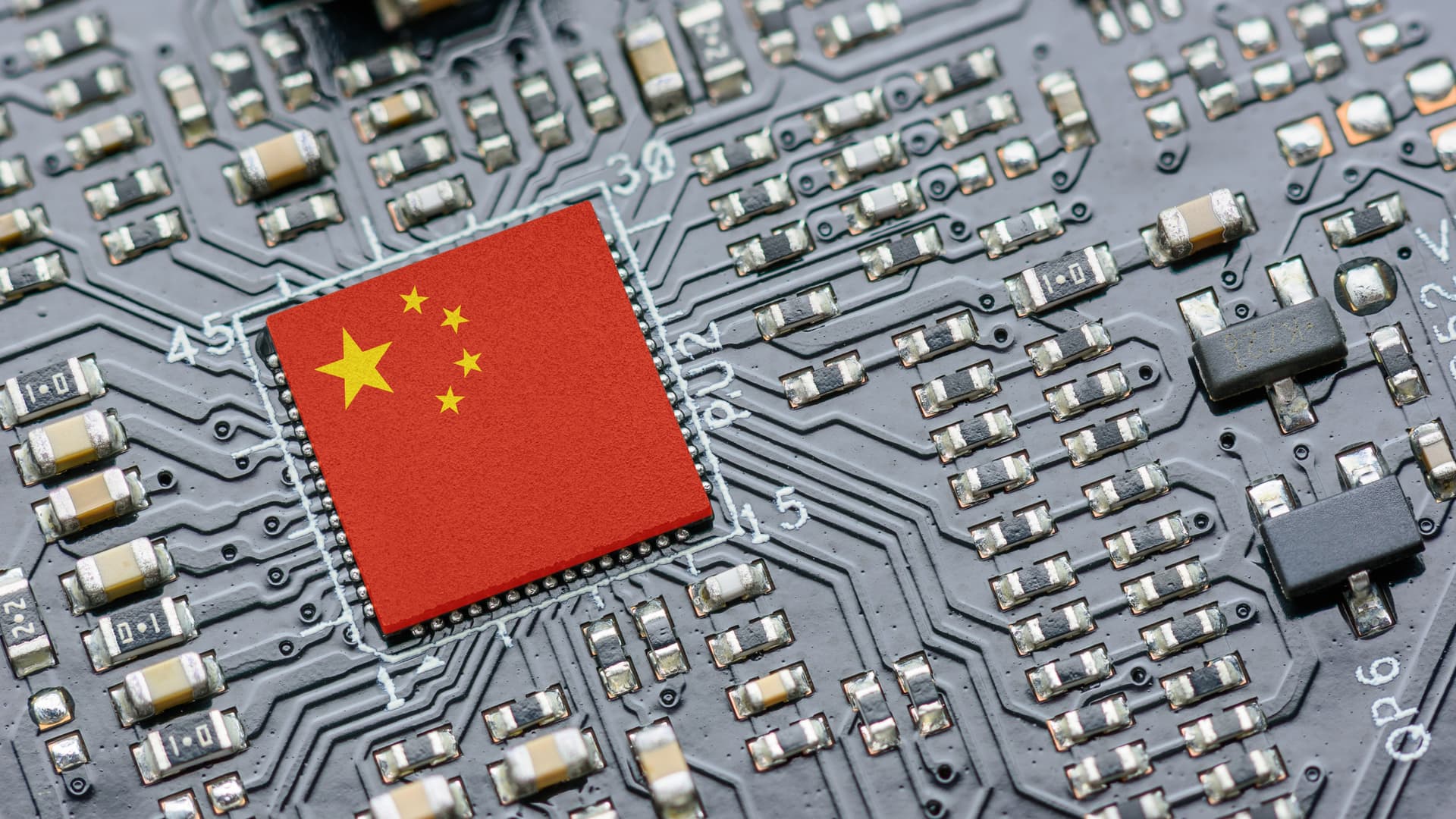
Leading AI researchers at a summit in Beijing said China is closing the technological gap with the United States, driven by growing entrepreneurial risk-taking and inventive engineering strategies, even as the absence of top-tier chipmaking equipment constrains further progress. The comments, delivered at the AGI-Next Frontier Summit hosted by the Beijing Key Laboratory of Foundational Models at Tsinghua University on Jan. 10, sketched a country accelerating on software and systems while still blocked by hardware limits.
Speakers at the summit argued that China’s limitations in production capacity and in the software ecosystem are the principal technical hurdles. Yao Shunyu, a former senior researcher at OpenAI who joined Tencent as chief AI scientist in December, told the conference that China’s “main bottlenecks are production capacity, including lithography machines, and the software ecosystem.” Yao added that a Chinese firm could plausibly become the world’s leading AI company within three to five years, reflecting confidence in rapid catch-up if resource constraints ease.
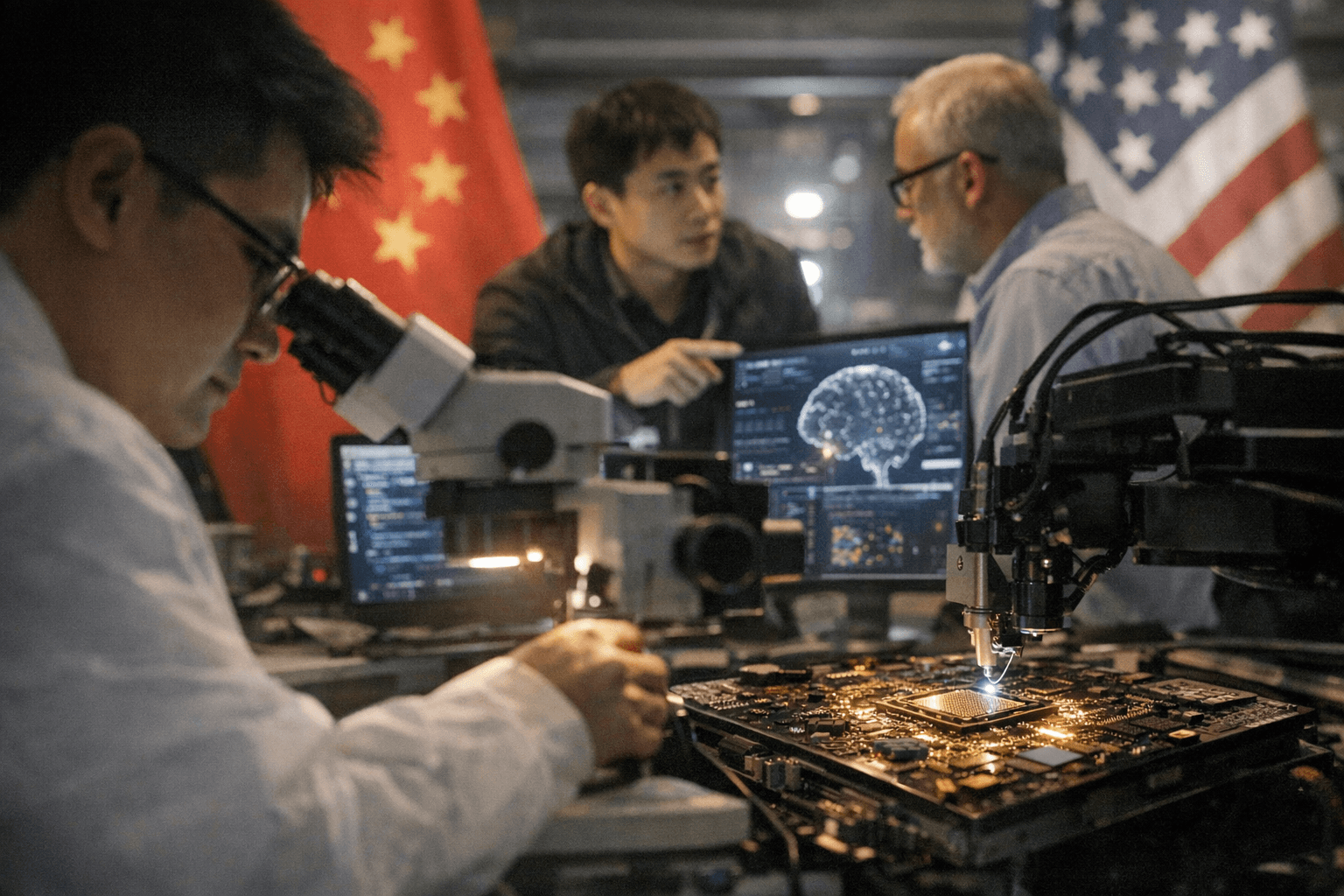
Panelists described deliberate engineering work-arounds that multiply the effect of available compute. A speaker identified only as “Lin” said China is “relatively strapped for cash; delivery alone likely consumes the majority of our computer infrastructure,” and argued that constrained resources have pushed teams toward algorithm-hardware co-design that lets large models run on smaller, less expensive hardware. Those hybrid approaches, combining software advances with bespoke use of existing chips, were presented as a strategic response to limits on access to cutting-edge lithography machines and advanced production capacity.
The conference also spotlighted a shift in startup culture. Tang Jie, founder of Zhipu AI, credited a younger generation of entrepreneurs with embracing higher-risk ventures and urged structural support so innovators can persevere. Tang said the country should let “risk-taking, intelligent individuals” pursue innovation with more time and backing, signaling a desire to cultivate a Silicon Valley-like appetite for long-shot projects.
Market moves and policy choices are reinforcing the momentum. Recent strong listings on the Hong Kong Stock Exchange for AI-focused firms, including Zhipu AI’s initial public offering that raised HK$4.35 billion, were cited at the summit as evidence of investor appetite. Officials have been accelerating approvals for AI and chip listings to strengthen domestic alternatives to foreign technology, a move that analysts say aligns capital with strategic industrial priorities.
Independent analysis presented alongside the summit view underlined the mix of gains and limits. A report by the Portulans Institute documents rapid patent gains in hardware-intensive semiconductor subfields and highlights focus areas such as 3D stacking for higher-density memory. But it underscores lithography as the key barrier to producing top-tier AI chips domestically, a constraint the conference speakers also emphasized.
Taken together, the summit painted a picture of a rapidly evolving Chinese AI ecosystem that substitutes ingenuity and risk-taking for some hardware disadvantages. That trajectory could narrow global technology leadership gaps, experts said, but full autonomy in high-end chip production will likely require breakthroughs in lithography and expanded fabrication capacity. The balance between software-led advances and persistent hardware bottlenecks will shape competitive dynamics and policy choices in the months and years ahead.
Know something we missed? Have a correction or additional information?
Submit a Tip