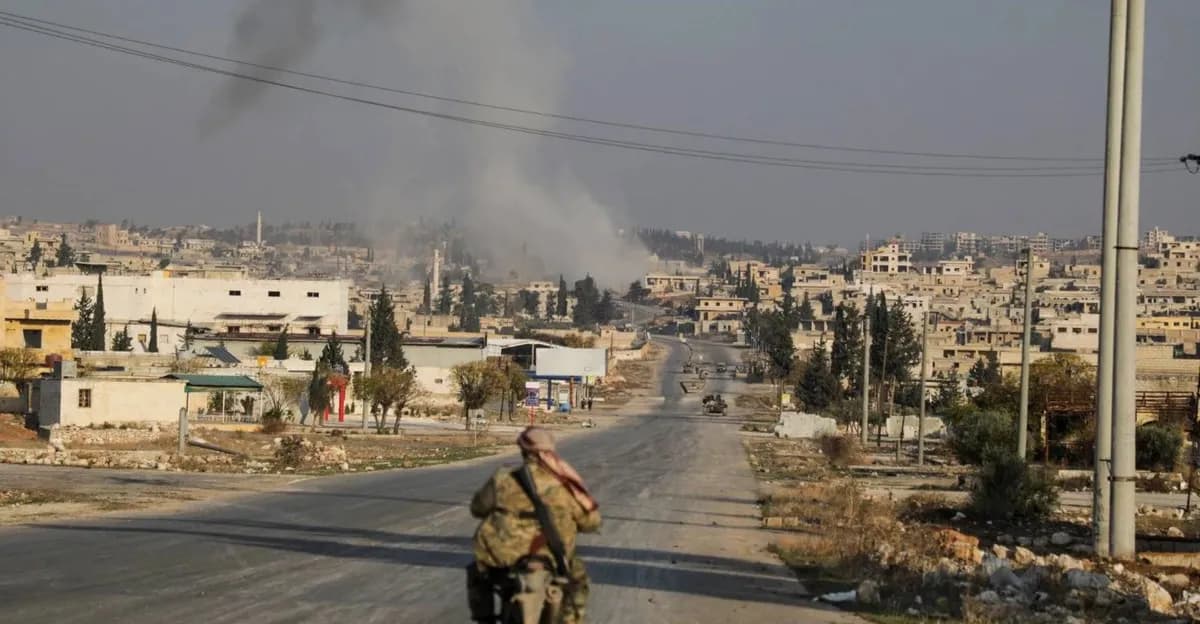
China Postpones Mogadishu Visit amid Lockdown and Regional Diplomatic Strain
Somali officials announce that China’s foreign minister, Wang Yi, is postponing a planned visit to Mogadishu, after an unusually heavy security lockdown and amid regional tensions tied to Israel’s recognition of Somaliland and wider diplomatic frictions. The interruption threatens to delay high-profile Chinese engagement in Somalia at a delicate moment for reconstruction, aid flows and regional alignments.

Somali officials announce on Jan. 9 that China’s top diplomat, Foreign Minister Wang Yi, is postponing a planned stop in Mogadishu, the culmination of an otherwise ongoing Beijing tour of Ethiopia, Tanzania and Lesotho. The decision comes as the Somali capital imposes an unusually heavy security lockdown, prompting confusion among residents and local media and leaving the timing of any rescheduled visit unclear.
Wang’s Africa tour, scheduled Jan. 7–12, has included a meeting in Ethiopia earlier this week with Prime Minister Abiy Ahmed, where the two sides signaled cooperation on infrastructure, logistics, the digital economy and green industries. The Somalia leg was expected to be one of the rare visits by a sitting Chinese foreign minister to Mogadishu, where Beijing has sustained a diplomatic presence since reopening an office in 2014 and where the two countries mark 66 years of formal ties in 2026.
Somali officials and local outlets said the Mogadishu stop would have covered bilateral relations, regional security and economic cooperation. Analysts viewed the visit as an opportunity for Somalia to secure continued Chinese diplomatic backing for its territorial integrity and to press for development-focused approaches to stability—linking security to reconstruction, job creation and institutional strengthening. Beijing has long framed its engagement in Somalia around reconstruction projects, humanitarian assistance and public support for Somali sovereignty, reflecting a broader Chinese practice of pairing political backing with infrastructure and economic ties.
The decision to postpone follows expansive security measures across Mogadishu that local sources described as more extensive than standard protections for visiting dignitaries. Major roads were sealed and large sections of the city placed on lockdown, disrupting residents and prompting questions about whether the moves were driven by specific intelligence on a threat or by precaution against routine al-Shabaab activity. Accounts vary across outlets: Somali authorities described the trip as postponed, while some reporters characterized the outcome in practical terms as a cancellation after the city’s security posture changed.
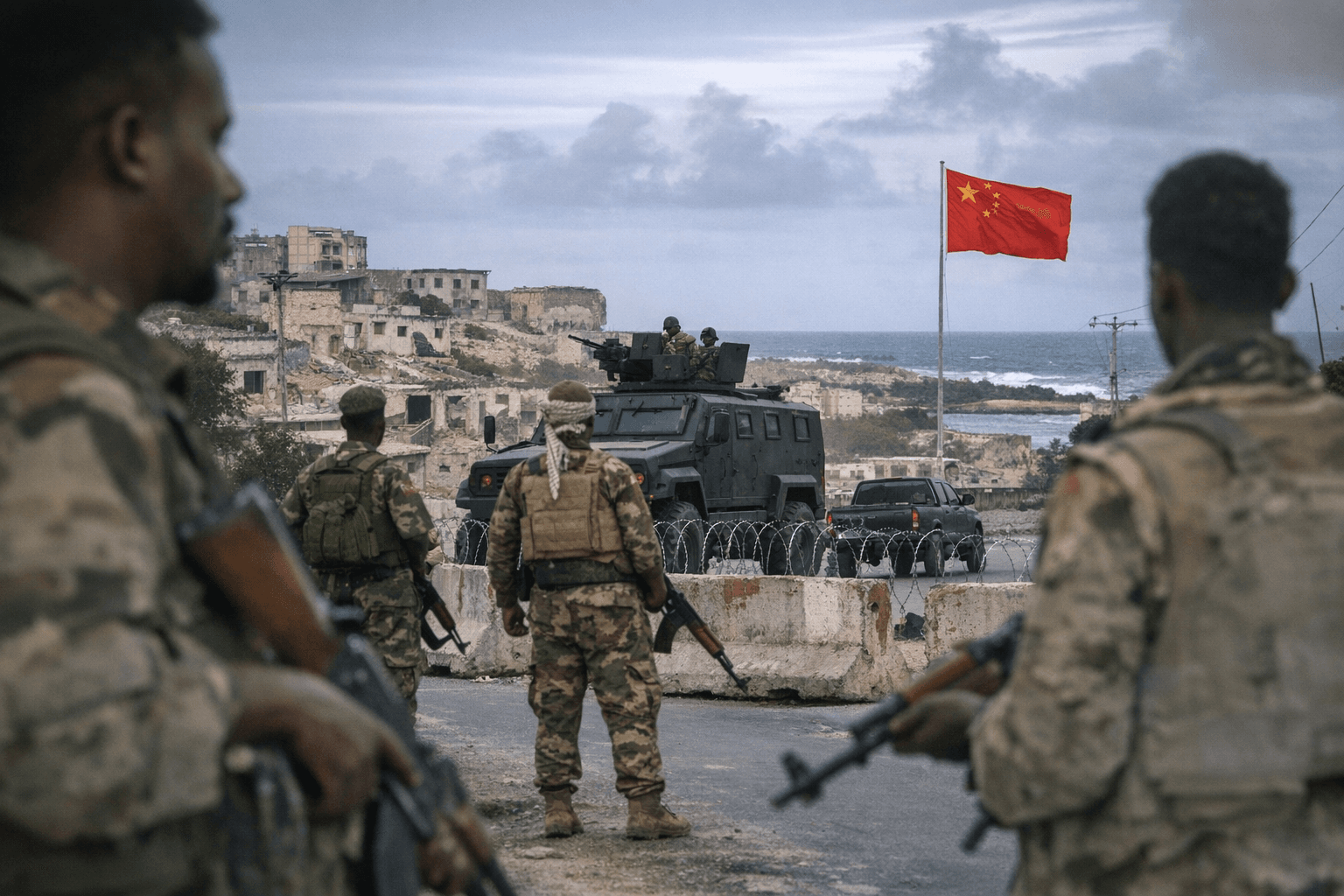
That ambiguity has political as well as operational consequences. Observers link the disruption to a wider diplomatic storm triggered by Israel’s recognition of Somaliland, a self-declared state whose status Mozambique and others do not widely accept, and to reported tensions with the United States over aid matters during Wang’s tour. For Somalia, any delay by Beijing is symbolically potent: high-level visits from a major partner are rare and carry both diplomatic reassurance and practical momentum for projects that deliver employment, foreign-exchange earnings and institutional support.
For markets and donors engaged in Somali reconstruction, the postponement introduces short-term uncertainty. Delays in high-level engagement can slow negotiations, defer visits by technical teams and postpone disbursements tied to state-building and infrastructure contracts, at a time when Somalia’s stabilization depends heavily on steady external support. Over the longer term, the incident underscores how geopolitical flashpoints—recognitions, aid disputes and insurgent threats—can complicate China’s development-first model in fragile states and shape the pace at which external partners can sustain investment and security cooperation.
Public officials in Somalia have not provided a definitive explanation for the lockdown, and Chinese statements beyond the postponement announcement have been limited. It remains unclear when Wang’s visit might be rescheduled and whether Beijing will press for immediate follow-up or adopt a more cautious posture given the security and diplomatic complexities.
Sources:
Know something we missed? Have a correction or additional information?
Submit a Tip