Claremont Opera House Endures, Landmark Preservation Sustains County Culture
The Claremont Opera House remains a central cultural institution for the city and greater Sullivan County, offering concerts, theatre, and community programming in a restored 1897 Italian Renaissance Revival building. Its survival after community led preservation in the 1970s and listing on the National Register of Historic Places underlines ongoing policy and budget choices that will shape cultural access and downtown vitality.
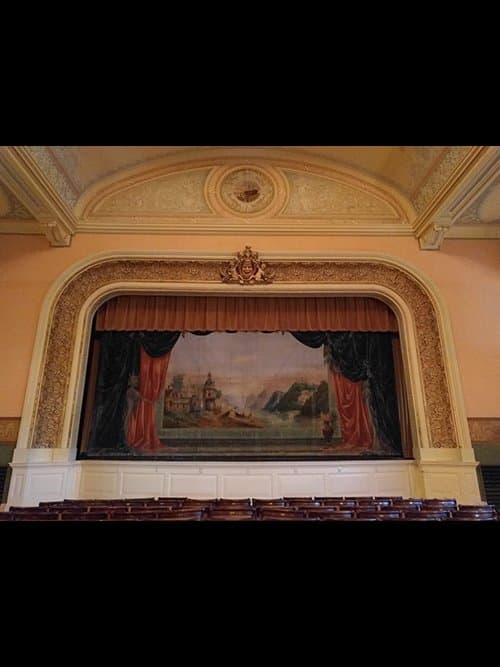
The Claremont Opera House stands at Opera House Square as both an architectural landmark and a functioning performance venue. Built and originally dedicated in 1897 in an Italian Renaissance Revival style, the auditorium features a frescoed ceiling and a decorative proscenium that continue to draw audiences and visiting performers. The building sits within the City Hall complex and serves as a focal point for concerts, theatre, community events, and a range of cultural programming that reaches residents across Sullivan County.
The building was listed on the National Register of Historic Places after community led preservation efforts in the 1970s. That history of local mobilization established a pattern of civic engagement and volunteer stewardship that still informs how programming and maintenance are managed. Preservation status provides recognition and potential access to historic preservation resources, yet it also imposes responsibilities for upkeep and compliance with preservation standards that fall to municipal leaders and partnering organizations.
For residents the Opera House is more than a historic site. It contributes to downtown foot traffic, supports local artists and cultural organizations, and provides a venue for civic gatherings. The frescoed ceiling and decorative proscenium are tangible reminders of the citys built heritage, and their preservation enhances Claremonts sense of place. The venue also factors into broader local policy considerations, including municipal budgeting for facilities, investment in cultural tourism, and coordination between city government and county cultural agencies.
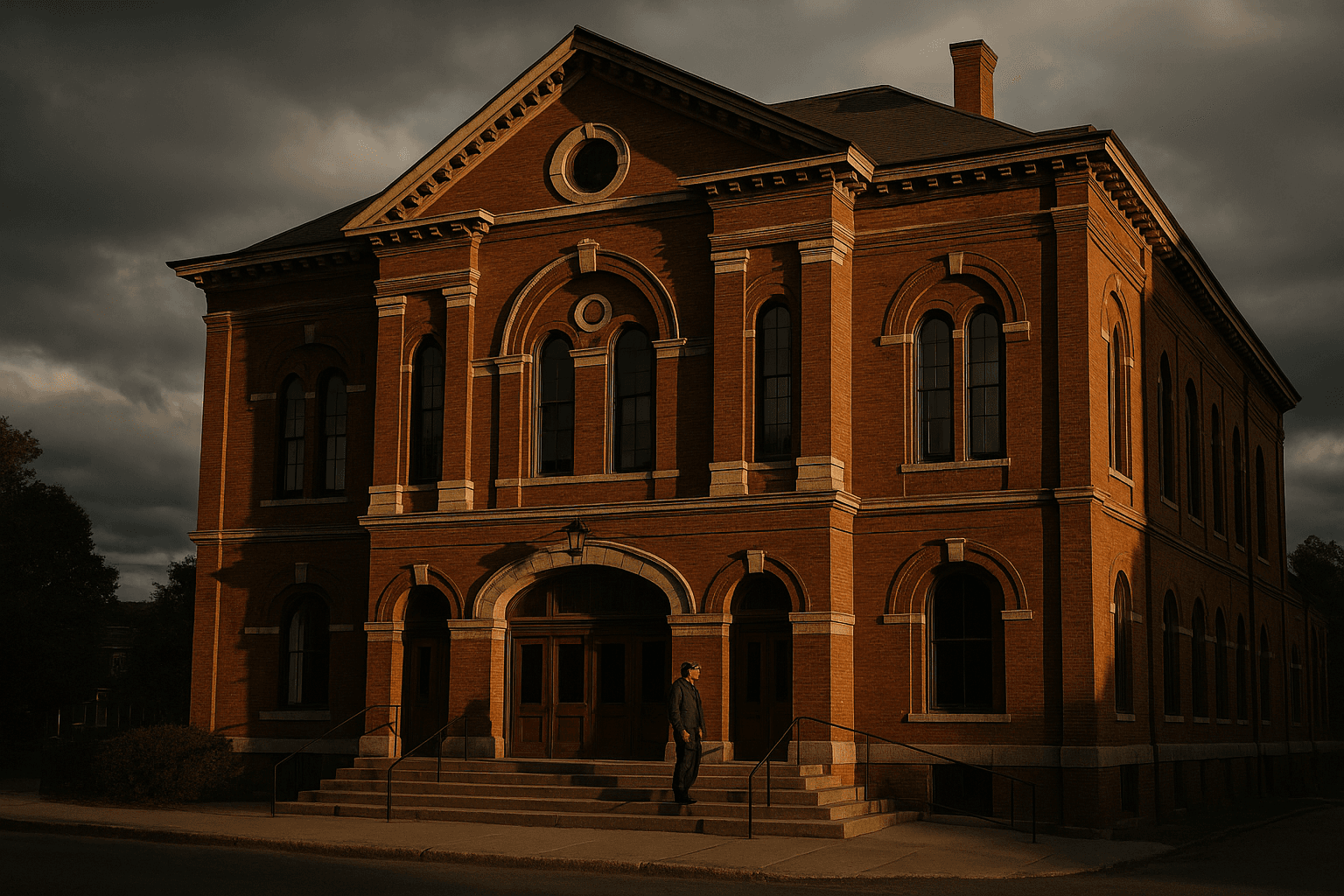
Looking ahead, sustaining the Opera House will require continued civic engagement and clear policy commitments on maintenance, accessibility, and programming priorities. Decision makers at the municipal level will need to weigh operating costs against economic and social benefits, and consider how to leverage the buildings historic status for grants and partnerships. For Sullivan County residents, the Opera House represents an asset that links past preservation successes to present cultural life and future community planning.
Sources:
Know something we missed? Have a correction or additional information?
Submit a Tip