December Subzero Snap Strains Sullivan County Heating and Travel
A potent early December cold air mass delivered the coldest readings of the season across Sullivan County on December 5, with several towns falling into single digit below zero temperatures. The snap increased travel and exposure risks, pushed up near term heating demand for households and municipal services, and prompted officials to urge residents to monitor local alerts and warming shelter options.
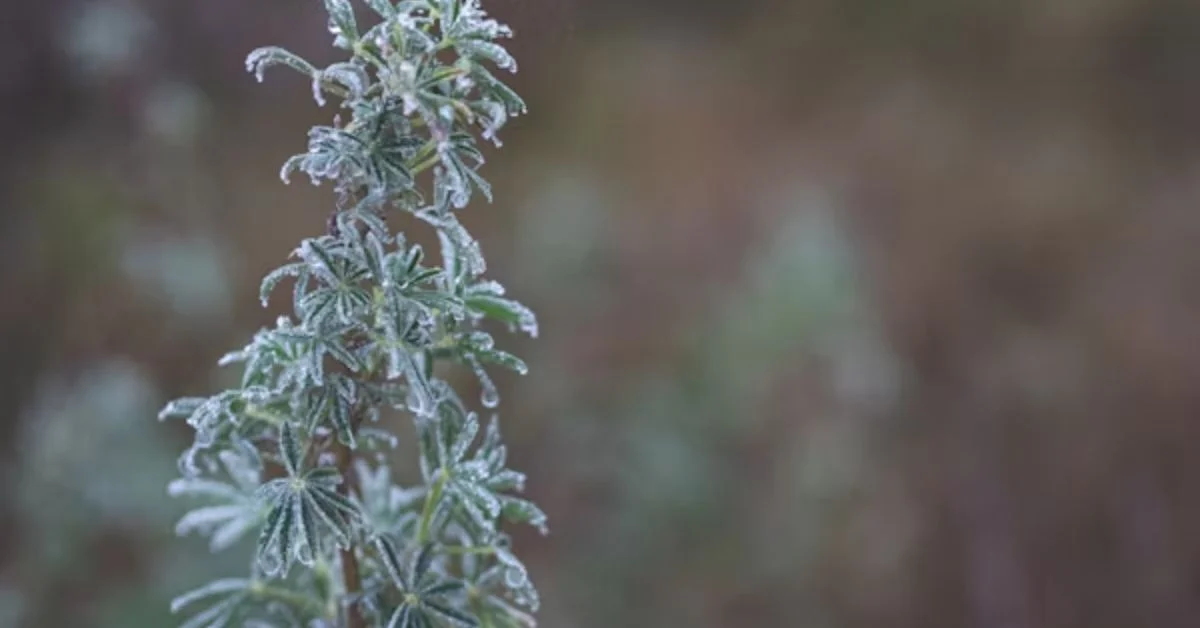
Sullivan County experienced one of its coldest mornings of the season on December 5, when a shallow but intense Arctic air mass produced subzero lows across the region. Meteorologist Matt Hoenig reported the coldest air mass of the season in parts of the state that morning, using National Weather Service data that recorded Sullivan County lows ranging from 1 degrees Fahrenheit in Grantham to minus 9 degrees Fahrenheit in Charlestown. Other local readings included Acworth minus 3 degrees, Claremont minus 3 degrees, Goshen minus 8 degrees, Meriden minus 6 degrees, Newport minus 7 degrees, Plainfield minus 6 degrees, and Sunapee minus 7 degrees.
The immediate public safety message centered on travel and prolonged outdoor exposure. Local advisories recommended checking municipal alerts and warming shelter options for residents without reliable heat. For households dependent on electric heating, propane or delivered fuel, rapid increases in morning demand can translate into short term price pressure or supply strain, particularly for vulnerable residents on fixed incomes. Municipalities also face operational costs from extended road treatments, cold start maintenance for water and wastewater systems, and staffing of warming center operations.
From a market perspective, brief subzero episodes typically lift short term heating demand and can amplify volatility in local retail fuel logistics. For households, even a few days of sustained low temperatures can push weekly energy consumption higher and increase short term bills for heating dominated residences. Longer term, local governments must balance emergency preparedness budgets against other priorities, since deeper cold events require prepositioned resources and staff.
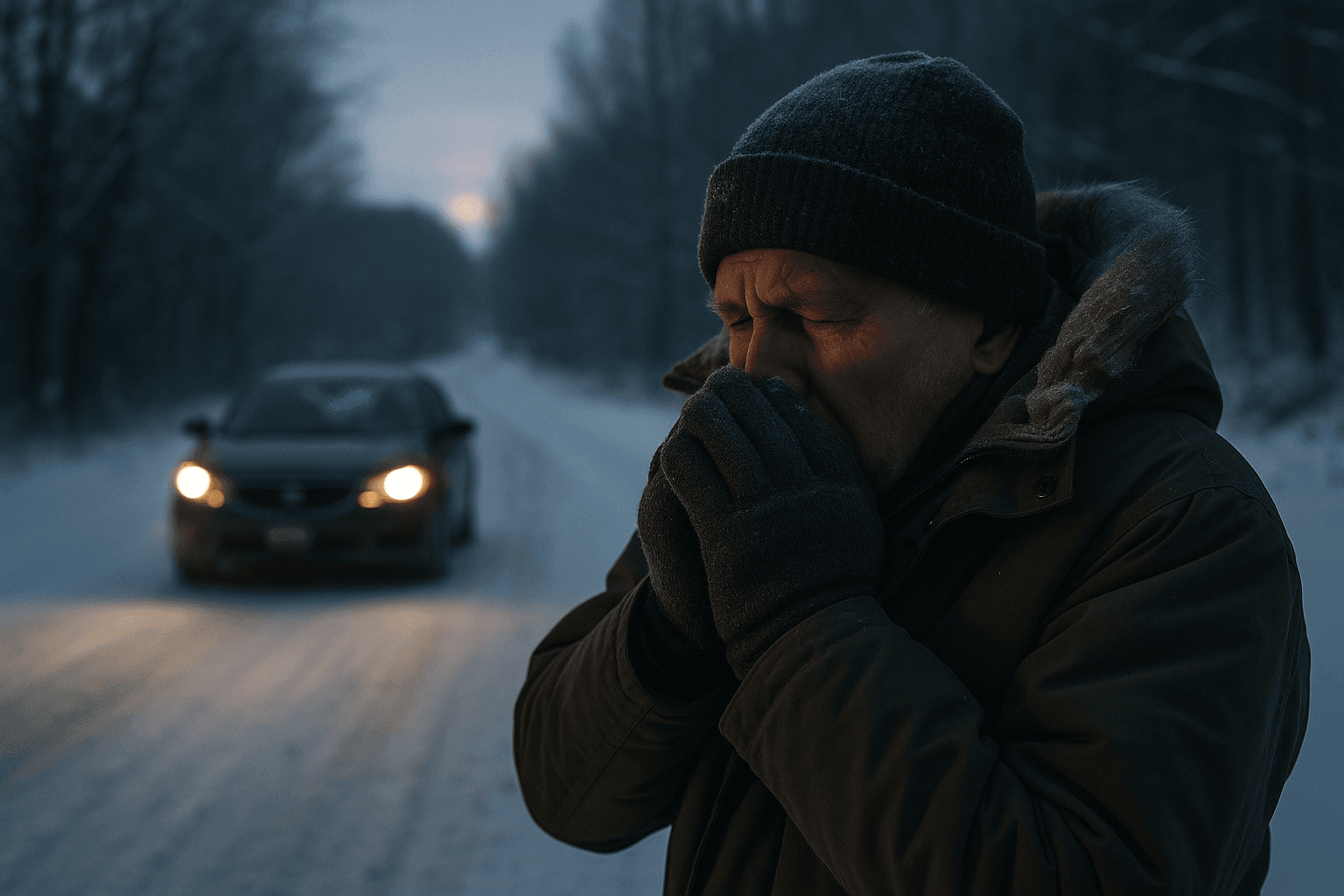
Looking ahead, residents are advised to follow municipal alert systems, check local warming shelter hours and locations where available, and take standard cold weather precautions for plumbing and outdoor exposure. The December 5 readings constitute the coldest measurements of the season so far, and they underscore the seasonal risk that can arrive early in the winter heating cycle.
Sources:
Know something we missed? Have a correction or additional information?
Submit a Tip