Converted trolley delivers books to Baltimore book deserts and schools
Araba Maze's Storybook Express toured Baltimore neighborhoods handing out free bilingual books and hot chocolate kits; more funding is needed to expand the service.
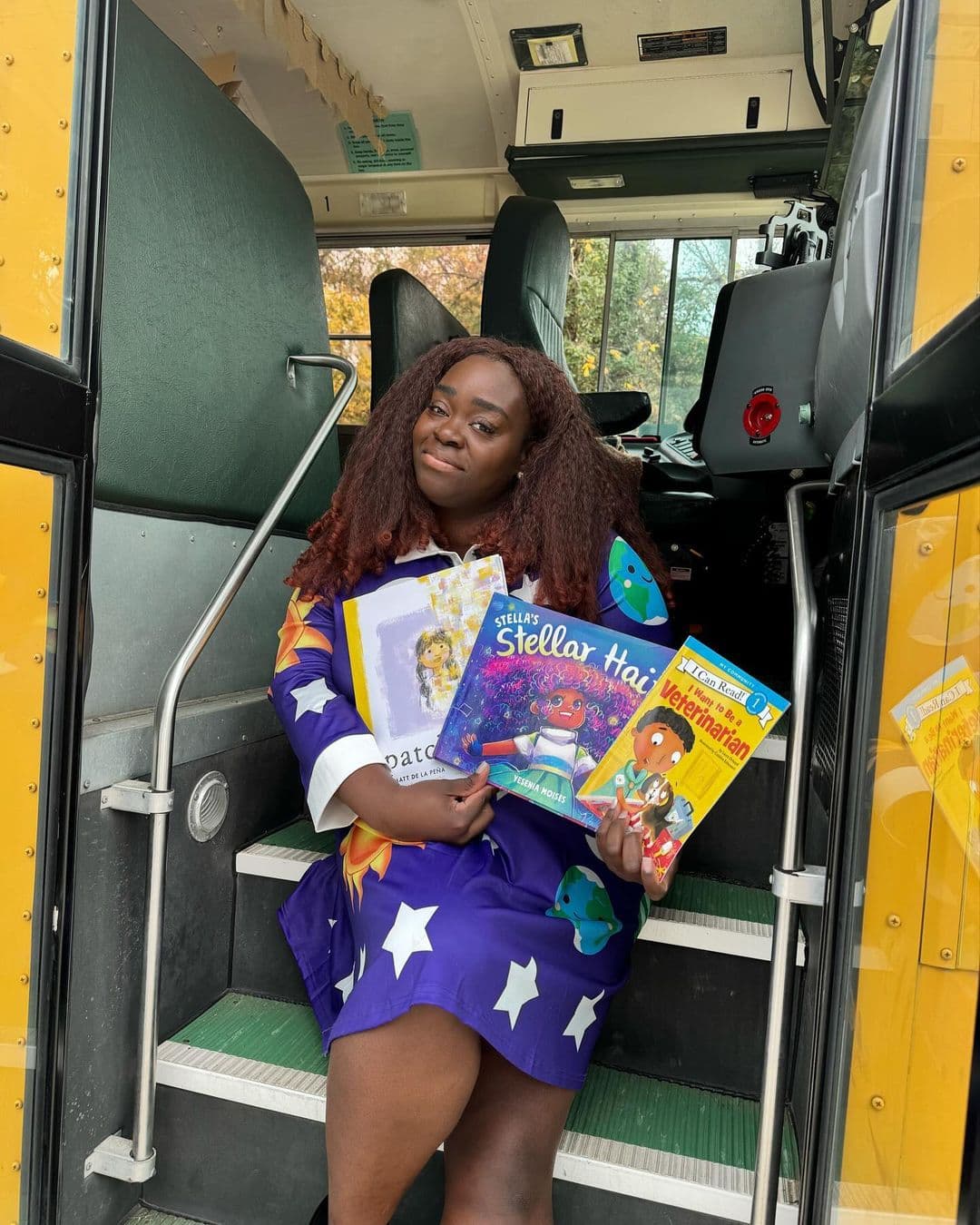
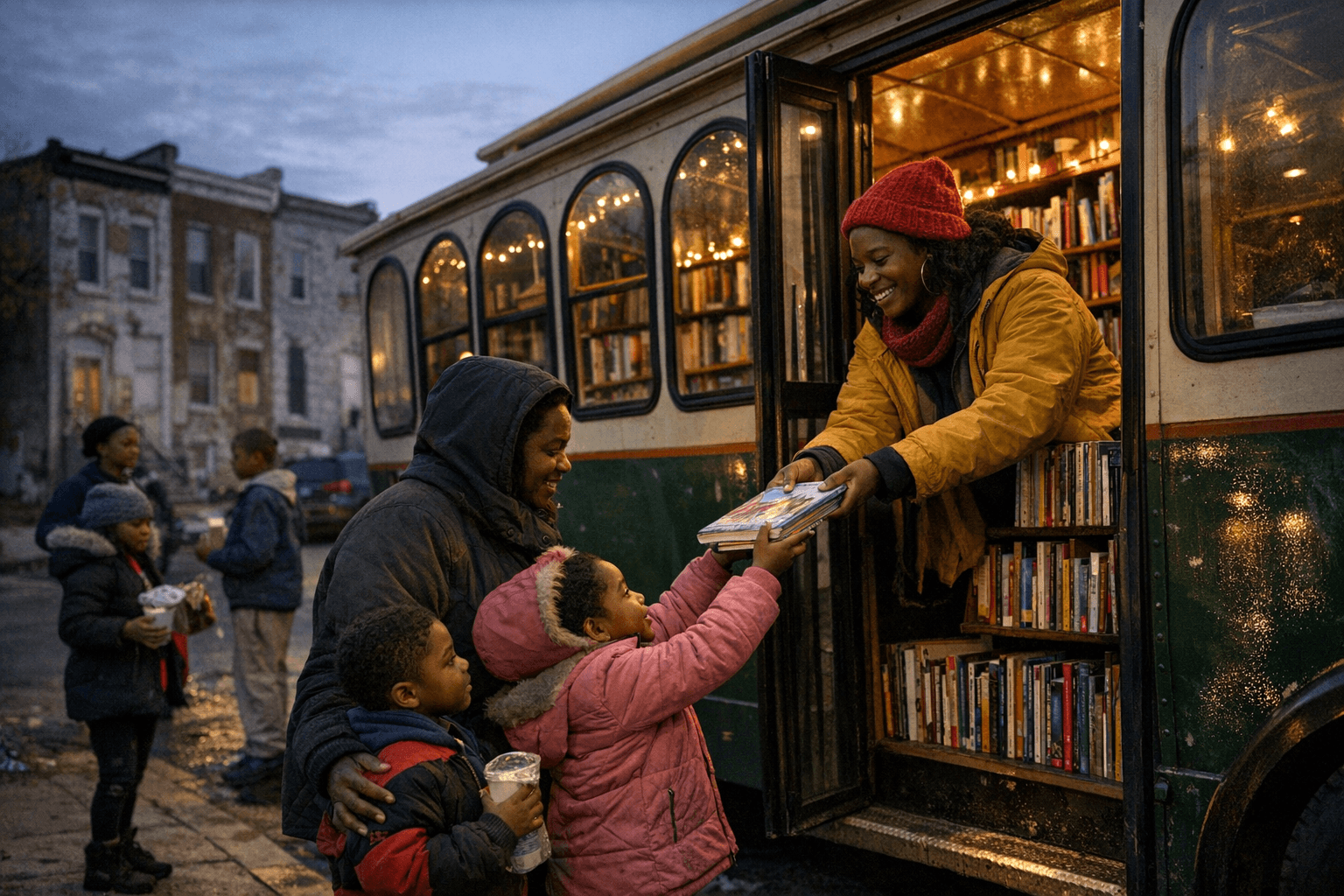
A converted 1998 trolley, repurposed as the Storybook Express, spent the holiday season bringing books, bilingual titles and hot chocolate kits to neighborhoods across Baltimore City, highlighting persistent gaps in access to reading materials. Founder Araba Maze drove the Polar Express-themed bookmobile to schools and corners of the city where children often lack consistent access to libraries and books.
The trolley made stops at Walter P. Carter and Cherry Hill Elementary, hosted on-board story times, and made additional drops in Brooklyn, Essex and Edison. Maze said the initiative targeted so-called book deserts where a single book can be shared by hundreds of young readers: "In book deserts, up to 300 children may share a single book." The Storybook Express delivered free books directly to kids and families, and distributed bilingual titles intended to reach Baltimore’s linguistically diverse households.
The immediate impact was both literal and symbolic. For children at school stops, the trolley provided a fresh, neighborhood-centered reading moment during winter break and the holiday period. For parents and caregivers, the distributions offered materials to sustain early literacy at home when school and library hours are limited. Maze plans to extend programming for Black History Month and to organize summer reading distributions, but she has flagged funding as the central barrier to scaling the effort.
The Storybook Express underscores a recurring policy question for Baltimore: how to fund equitable literacy infrastructure beyond existing libraries and school book budgets. Local leaders decide allocations for public libraries, out-of-school-time programs and community grants that fund mobile literacy projects. Without dedicated funding streams, efforts like Maze’s rely on short-term donations and volunteer labor, limiting reach and continuity in neighborhoods that need ongoing services.
City budget decisions and school system resource priorities shape whether mobile book programs can move from occasional events to sustained service. Residents concerned about literacy equity can engage in civic channels that influence those decisions: attend community budget hearings, contact councilmembers about library and literacy funding, and advocate for recurring grants to support mobile distribution and bilingual materials.
The takeaway? Small, imaginative projects show what works on the ground, but systemic progress requires steady funding and policy commitments. If you value kids getting books in their neighborhood, show up at the next budget hearing, call your councilmember, or volunteer with local literacy efforts — those steps make a difference in keeping the Storybook Express rolling and books in young hands.
Sources:
Know something we missed? Have a correction or additional information?
Submit a Tip