Unseasonably warm January week stressed Baltimore health and services
milder weather in early January brought near-60 temperatures and gusty winds, raising public health, housing and infrastructure concerns for Baltimore residents.
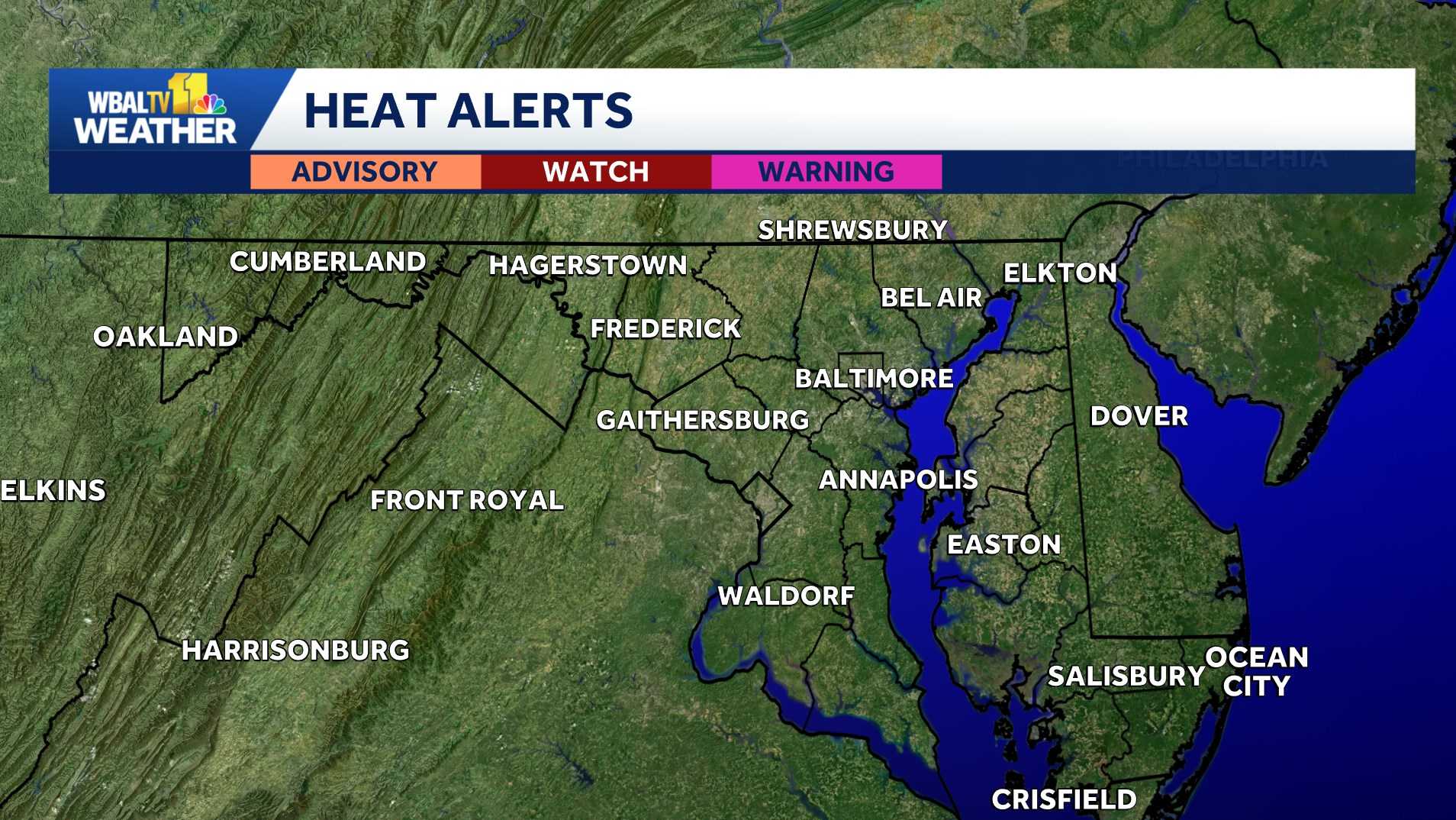
Milder-than-usual weather in early January pushed thermometers into the upper 50s and near 60 across parts of the Baltimore region on Jan. 7, and temperatures remained above 50 degrees through the rest of that week. Forecasts issued ahead of the warm spell also called for breezy west winds of 10–20 mph and a later system that brought showers and the possibility of isolated thunder on Friday, creating a mix of relief from cold and new challenges for city services and vulnerable residents.
Chief Meteorologist Tom Tasselmyer had forecast the warm-up and the breezy conditions, along with a chance of showers as the week closed. The combination of mild daytime temperatures, gusty winds and intermittent rain amplified potential impacts on older housing, public transit and people who rely on steady heating and shelter.
For Baltimore’s residents who live in older rowhouses and housing with known maintenance gaps, sudden warm spells followed by wet, windy periods increase the chance of leaks, roof damage and subsequent mold problems. Those conditions can aggravate asthma and other respiratory diseases, which already exact a heavy toll in neighborhoods with limited access to consistent healthcare. People experiencing homelessness can get temporary relief from freezing temperatures but face heightened risk when rain and wind return; shelters and outreach teams often must pivot quickly between cooling, drying, and space needs.
The seasonal overlap with flu season and ongoing strains on emergency departments means weather swings can complicate healthcare delivery. Gusty winds increase the likelihood of downed tree limbs and short-term power outages that disproportionately affect residents who rely on electric medical equipment or live in areas with slower utility response times. Transit delays and commuter disruptions also ripple into access to appointments, pharmacies and child care.

These local effects highlight structural issues beyond any single forecast: housing quality, stormwater infrastructure, and emergency shelter capacity are policy areas that shape who bears the brunt of volatile winter weather. Investments in resilient utilities, targeted home repair programs, and coordinated weather-response plans for clinics and shelters can reduce health disparities and protect the most vulnerable.
Our two cents? Keep an eye on the forecast, secure outdoor items against gusts, and check on elders or neighbors who rely on steady heat or electricity. If you see storm damage or flooding in your block, report it to city services promptly and prioritize health — mold and leaks can quietly worsen chronic conditions, so get damp spaces dried and ventilated as soon as you can.
Sources:
Know something we missed? Have a correction or additional information?
Submit a Tip